



For most homes in moderate climates, double-pane windows hit the sweet spot; you get solid energy efficiency and noise control without overpaying for performance you will never feel. The double pane vs triple pane windows debate is not about which product is objectively better. It is about which one matches your climate, your timeline, and your budget, notes 1907 Property Management Newcastle.
What makes this decision trickier than it sounds is that window companies have a clear incentive to push you toward the more expensive option. A nine-window replacement quoted at $14,200 can, with a few upgrades, balloon past $30,000 before discounts kick in. Knowing the actual numbers — not the sales pitch — puts you back in control.
What’s Actually Different Between the Two
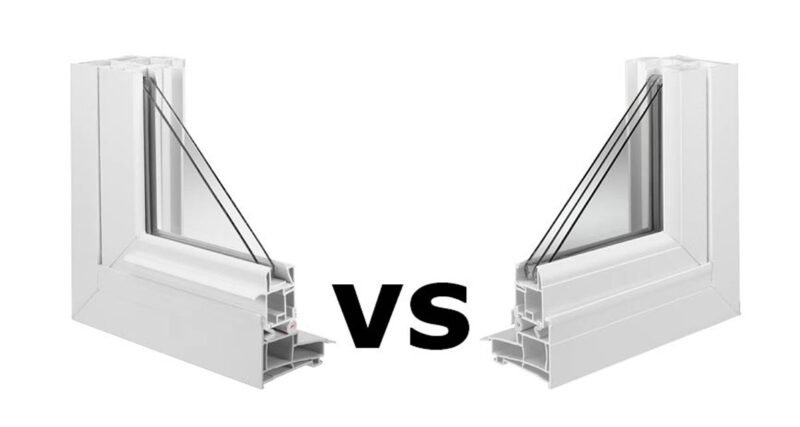
At the simplest level, double-pane windows sandwich two sheets of glass around a sealed airspace filled with argon gas. Triple-pane windows add a third glass layer and a second gas-filled cavity. The extra pane is not cosmetic; it changes how heat moves through the window.
The industry measures thermal resistance with R-value. A typical double-pane unit lands between R-3 and R-5. Triple-pane jumps to R-6 through R-9.
That gap sounds dramatic on paper, but what it means in practice depends heavily on where you live and how your house is built. A well-insulated wall in a modern home might carry R-13 to R-21, so even a triple-pane window remains the weakest thermal link in the envelope by a wide margin.
There is also a less-discussed trade-off: the third pane of glass absorbs and reflects more visible light. Triple-pane units can reduce natural daylight transmission by roughly five to ten percent compared to double-pane, which matters if you are counting on passive solar gain or simply prefer a brighter interior.
Performance and Cost at a Glance
The two window types differ most in thermal performance, upfront cost, and noise control. The table below lays out the key numbers side by side so you can see exactly where the trade-offs land.
| Feature | Double Pane | Triple Pane |
|---|---|---|
| Glass layers | 2, with 1 argon-filled cavity | 3, with 2 gas-filled cavities |
| Typical R-value | R-3 to R-5 | R-6 to R-9 |
| U-factor range | 0.30 to 0.35 | 0.18 to 0.25 |
| Noise reduction (STC) | 26 to 32 | 30 to 36 |
| Upfront cost (per window) | $400 to $900 installed | $550 to $1,200 installed |
| Weight | Standard, fits most existing frames | Heavier, may require frame reinforcement |
| Light transmission | Approximately 70 to 80 percent visible light | Approximately 60 to 72 percent visible light |
| Best climate | Moderate to warm (USDA zones 4 to 10) | Cold and extreme cold (USDA zones 1 to 5) |
| Condensation resistance | Good | Excellent; inner pane stays warmer |
| Payback period | 5 to 8 years vs single-pane | 10 to 20 years vs double-pane |
When Double Pane Is the Smarter Choice
If your winters rarely dip below 20 degrees Fahrenheit, double-pane windows deliver nearly all the comfort you need at a significantly lower entry price. The extra R-value from a third pane does very little for you when the temperature difference between indoors and outdoors is modest.
Double-pane units are also lighter, which matters more than people realize. Many existing window frames, especially in homes built before 2000, cannot handle the extra weight of triple-pane glass without reinforcement, turning a straightforward glass swap into a more expensive full-frame replacement. One homeowner on r/Homebuilding ran into exactly this problem: his frames were in excellent condition but simply would not accommodate triple-pane glass, making the decision for him.
For rental properties or homes you plan to sell within five to seven years, the math tilts further toward double-pane. A landlord in Alberta who collected six quotes for a rental found that double-pane windows came in roughly fifteen percent cheaper across the board, and tenants are not paying a premium for the owner’s lower heating bill.
When Triple Pane Justifies the Extra Cost
Triple-pane windows earn their keep in climates where heating-degree days stack up fast: Minnesota, North Dakota, Maine, and anywhere in Canada come to mind. When the temperature outside sits at minus ten while your thermostat holds at seventy, that ninety-degree spread makes every extra unit of R-value count.
Noise reduction is the other strong case. If you live near a highway, under a flight path, or next to a schoolyard, the additional glass layer and second gas cavity cut sound transmission noticeably. Rated by STC (Sound Transmission Class), triple-pane units typically score four to six points higher than double-pane, which translates to a perceptible difference in perceived loudness, roughly the gap between normal conversation and a quiet library.
Condensation is a subtler benefit that cold-climate homeowners learn to value. Because the innermost glass surface of a triple-pane window stays warmer, you are far less likely to find frost or water beading on the interior side during a deep freeze. Over years, that difference protects window sills, trim, and surrounding drywall from moisture damage.
The Payback Math Nobody Talks About
Window companies love to quote energy savings as a percentage, like “up to thirty percent lower heating bills,” but percentages without baseline dollars are meaningless. Let us walk through the actual numbers.
According to ENERGY STAR data, windows account for roughly twenty-five to thirty percent of residential heating and cooling energy use. If your annual heating bill is $1,200 and you upgrade from single-pane to double-pane, you might save $150 to $250 per year.
Going from double-pane to triple-pane adds another $25 to $50 in annual savings in a cold climate. At that rate, the $150 to $300 per-window premium for triple-pane takes ten to twenty years to pay back through energy savings alone.
That timeline shifts if energy prices spike or if you qualify for utility rebates and federal tax credits. Some states and provinces offer incentives that knock twenty to thirty percent off the installed cost of high-efficiency windows, dramatically shortening the breakeven. But without incentives, treating triple-pane as a pure financial investment requires patience most homeowners do not have.
Brandon Erdmann, president of HomeSealed Exteriors, captured the industry split bluntly when he told Angi that “one company says triple pane is the only thing they sell, and the next company says it is not worth it and suggest double pane windows are the way to go.” There is no consensus among installers because there is no universal right answer to the double pane vs triple pane windows question.
What Real Homeowners Are Dealing With
On r/homeowners, a buyer who recently replaced nine windows with double-pane units described a pricing experience that echoes across the industry. The sticker price before discounts came to roughly thirty thousand dollars, a figure that makes the jump to triple-pane feel less like an upgrade and more like a financial ambush.
“I recently purchased new windows from one of the ‘big’ companies, and while we did get a good deal on the windows to where we paid $14,200 for 9 windows, it seemed kind of interesting that was a ‘Buy 2 get 2 free’ deal that we would have paid about $30,000 for 9 windows.”
— r/homeowners, 173 upvotes, 202 comments (2024), source
That same thread surfaced another pattern: several commenters noted that sales reps for the major replacement-window chains increasingly treat double-pane as a legacy product they would rather not sell. The markup on triple-pane is higher, the commissions are fatter, and the pitch, “Would you rather be warm or save a few bucks?” is hard to argue with in the moment.
Over on r/buildingscience, a couple building a new home in Maine wrestled with the same decision from the opposite direction. They wanted triple-pane for the efficiency but got pushback from a spouse who questioned whether the seven-thousand-dollar increment was justified when the rest of the house — walls, roof, foundation — already had far better thermal performance than the windows ever would.
That is a framing worth borrowing: windows, even triple-pane ones, are never the strongest link in your thermal envelope.
Decision Framework: Six Questions to Ask Yourself
Instead of asking “which is better,” ask yourself the following. Three or more answers pointing toward triple-pane make a strong case for spending the extra money.
- How cold do your winters actually get? If January lows routinely drop below 10 degrees Fahrenheit, triple-pane earns its keep. If not, the gap shrinks fast.
- How long will you own this home? Under seven years, double-pane almost certainly wins on cost. Beyond fifteen, triple-pane starts looking like a long-term asset rather than an expense.
- Is outside noise a daily annoyance? Busy road, airport, barking dogs: if noise disrupts your sleep, the superior STC rating of triple-pane may be the deciding factor regardless of climate.
- Can your existing frames handle the weight? If triple-pane requires new frames, the total project cost jumps significantly, and the payback math resets.
- Are utility rebates available where you live? Check the Database of State Incentives for Renewables and Efficiency (DSIRE) before committing. Incentives can turn a ten-year payback into a five-year one.
- Do you have condensation problems today? If your current windows frost over in winter, triple-pane practically eliminates interior condensation, protecting your sills and trim from rot.
Frequently Asked Questions
Are triple pane windows worth the extra cost?
Triple-pane windows are worth the extra cost if you live in a cold climate with January lows below ten degrees Fahrenheit or plan to stay in your home for more than ten years. In moderate climates and for shorter ownership horizons, the energy savings rarely justify the premium on financial grounds alone. Noise reduction and condensation resistance can tip the scale even when the dollars do not.
How much more do triple pane windows cost compared to double pane?
Triple-pane windows typically cost ten to thirty percent more than comparable double-pane units. Per window, the installed price premium runs roughly $150 to $300, though that gap widens significantly if your existing frames require reinforcement to handle the added weight. Across a whole-house replacement of fifteen to twenty windows, the difference can reach $3,000 to $6,000.
Do triple pane windows reduce noise better than double pane?
Yes, triple-pane windows reduce outside noise more effectively than double-pane, typically scoring four to six points higher on the STC scale. The extra glass layer and second gas-filled cavity absorb and dampen sound waves that would otherwise pass through. The difference is most noticeable with mid-frequency noise like traffic, voices, and barking dogs rather than low-frequency rumbling like heavy trucks.
Will triple pane windows make my house darker?
Triple-pane windows do slightly reduce visible light transmission, typically by five to ten percent compared to double-pane, because each additional glass surface reflects and absorbs some light. Most people do not notice the difference unless they are comparing identical rooms side by side, but it is worth considering if natural light is a priority or if the window faces north with already-limited sun exposure.
Do I need new frames for triple pane windows?
Not always, but often. Triple-pane glass units are roughly fifty percent heavier than double-pane equivalents, and many existing frames, especially wood frames in homes built before 2000, lack the structural capacity to support that weight over time. A reputable installer should evaluate your frames before quoting, and if frame replacement is required, the total project cost can easily double.
Which is better: double pane vs triple pane windows?
The short answer: double-pane windows are the better choice for most homeowners in moderate climates and for those on a tighter budget, while triple-pane wins in cold climates, noisy environments, and long-term homes. There is no universal winner.
The right answer depends on where you live, how long you plan to stay, and whether the extra upfront cost of triple-pane is offset by energy savings, comfort gains, and available rebates in your area.
The Bottom Line
Double-pane windows remain the financially sensible default for the majority of American homes. They represent a genuine leap forward from single-pane without over-engineering the problem. Triple-pane earns a place in the conversation when extreme cold, serious noise, or a decades-long ownership horizon changes the arithmetic.
The best defense against overpaying is getting at least three quotes and asking each contractor to price both options for the same openings. If the spread is modest, say ten percent or less, and you live in a cold climate, triple-pane makes sense. If the spread is wide and you are in a temperate zone, keep the money. The windows will not judge you, and neither will your heating bill.