


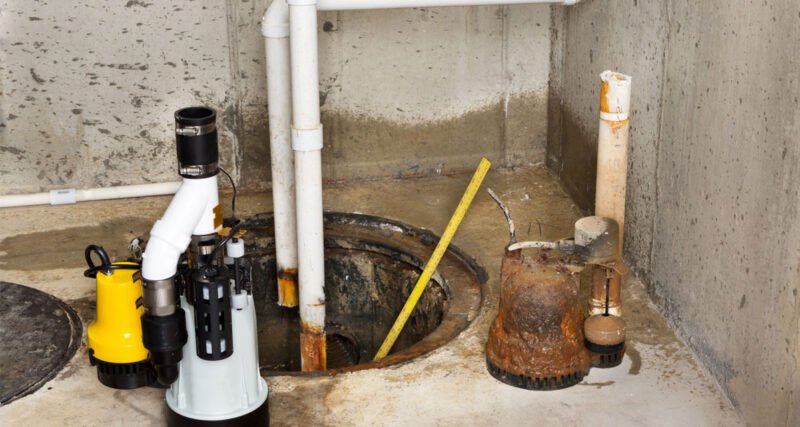
According to Beyond PM, eight years of service is the typical turning point. Most sump pumps last between 7 and 10 years, but the exact number depends on what kind of pump you own, how often it runs, and whether you have maintained it at all. Some fail at year five. A rare few chug along past year fifteen. The calendar is a starting point, not a guarantee.
Replacing a sump pump on a schedule, rather than waiting for the basement to flood, is one of those home maintenance decisions that feels unnecessary until it is suddenly the only thing that matters. The question of how often should a sump pump be replaced comes up most often after a close call, not before one.
What’s the Average Lifespan of a Sump Pump by Type?
A standard pedestal sump pump lasts 5 to 10 years. A submersible unit typically runs 7 to 12 years. Battery backup systems, which sit idle most of the time, need replacement every 3 to 5 years because their internal batteries degrade whether they are used or not.
The type of pump you have matters more than the brand name on the box.
| Pump Type | Typical Lifespan | Key Weak Point | Average Cost to Replace |
|---|---|---|---|
| Pedestal | 5-10 years | Motor exposed to dust and humidity | $150-$400 |
| Submersible | 7-12 years | Seal failure leads to water in motor | $400-$800 |
| Battery Backup | 3-5 years (battery) | Lead-acid or AGM battery sulfation | $250-$600 |
| Water-Powered Backup | 10-15 years | Municipal water pressure dependency | $500-$1,200 |
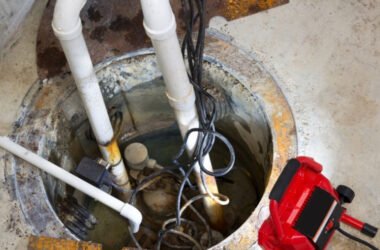
The device sits in a dark pit catching debris, moisture, and the occasional frog. A submersible pump that runs frequently, say every few minutes during a wet spring, wears out faster than one that cycles only during heavy rain. That is not a defect. That is physics.
“Contractor included an annual service plan in the quote. I thought it was upsell. Now I wonder if I should have taken it.”
— r/HomeMaintenance, 6 upvotes, 12 comments (2024)
15 Warning Signs Your Sump Pump Is About to Fail
Age alone does not tell the full story. A seven-year-old pump that runs twice a year is less concerning than a four-year-old pump that cycles every three minutes through the spring thaw. These 15 signs tell you the pump is struggling regardless of its birthday.
Unusual Noises
A grinding or screeching sound means the motor bearings are failing. A knocking noise suggests the impeller has debris caught in it. A pump that suddenly sounds different from last season is asking for attention. Quiet operation followed by a single loud clunk often means the check valve has failed.
Excessive Cycling
A sump pump that turns on and off every 30 to 60 seconds is short-cycling. This usually means the float switch is stuck, the basin is too small, or the check valve is missing. Short-cycling wears out a pump in months instead of years.
Visible Rust or Corrosion
Surface rust on a pedestal pump is normal. Heavy corrosion eating through the motor housing or the discharge pipe is an imminent failure. If you see orange-brown water seeping from the motor seam, the internal seal has already broken.
Excessive Vibration
A pump that shakes violently during operation has a bent shaft or a loose impeller. The vibration loosens pipe connections over time, which turns a pump replacement job into a pipe replacement job too.
Running During Dry Weather
A sump pump that runs when there has been no rain for days indicates a high water table or a foundation drain problem. The pump may not be failing, but it is working far harder than it was designed for. Expect a shortened lifespan.
Age Over 10 Years
Even a well-maintained sump pump past the ten-year mark has a statistically high failure rate. The American Society of Home Inspectors notes that most sump pump failures occur between years 7 and 12. A proactive replacement at year 10 is cheaper than emergency water extraction. Sound familiar? It should. The pattern repeats in every trade forum.
The Pump Does Not Turn On
If the basin is full of water and the pump sits silent, check the power cord and the GFCI outlet first. If both work, the float switch or the motor has died. This is the most common failure mode and usually happens at 3am during a thunderstorm.
The Pump Never Shuts Off
A pump that runs continuously without the water level dropping has a stuck-open float switch, a blocked discharge line, or an undersized pump for the water volume. Running dry for more than a few minutes damages the motor seals permanently.
Tripping the Circuit Breaker
A sump pump that repeatedly trips the GFCI or the breaker has an internal short. This is a fire risk. Replace the pump immediately, do not attempt a repair.
Visible Cracks in the Housing
Plastic pump housings become brittle with age and temperature cycling. A hairline crack on the housing may not leak immediately but will burst under full load. Replacement is the only safe option.
Oil Leak Around the Motor
Many submersible pumps have an oil-filled motor chamber for cooling. If you see oil floating on the water surface in the basin, the motor seal has failed. The pump will short out soon.
Foul Odor From the Basin
A smell that resembles rotten eggs or sewage means standing water has stagnated in the basin because the pump is not cycling frequently enough. A working pump should move water before it decomposes. Persistent odor suggests the pump is running too rarely or has failed partially.
The Pump Is Sitting Unevenly
A pump that has tipped sideways in the basin or is sitting on debris cannot activate the float switch correctly. This causes intermittent operation and eventual motor burnout from repeated start-stop cycles.
Higher Electric Bill Without Explanation
A failing sump pump motor draws more current as it struggles. A noticeable jump in the basement electricity usage during a dry month points to a pump that is running harder than it should.
Previous Basement Flooding
If the pump has already flooded the basement once, the damage to the motor and electrical components from that incident accelerates future failure. A pump that has been submerged beyond its designed water line should be replaced, not trusted again.
Sump Pump Replacement Cost: What to Expect
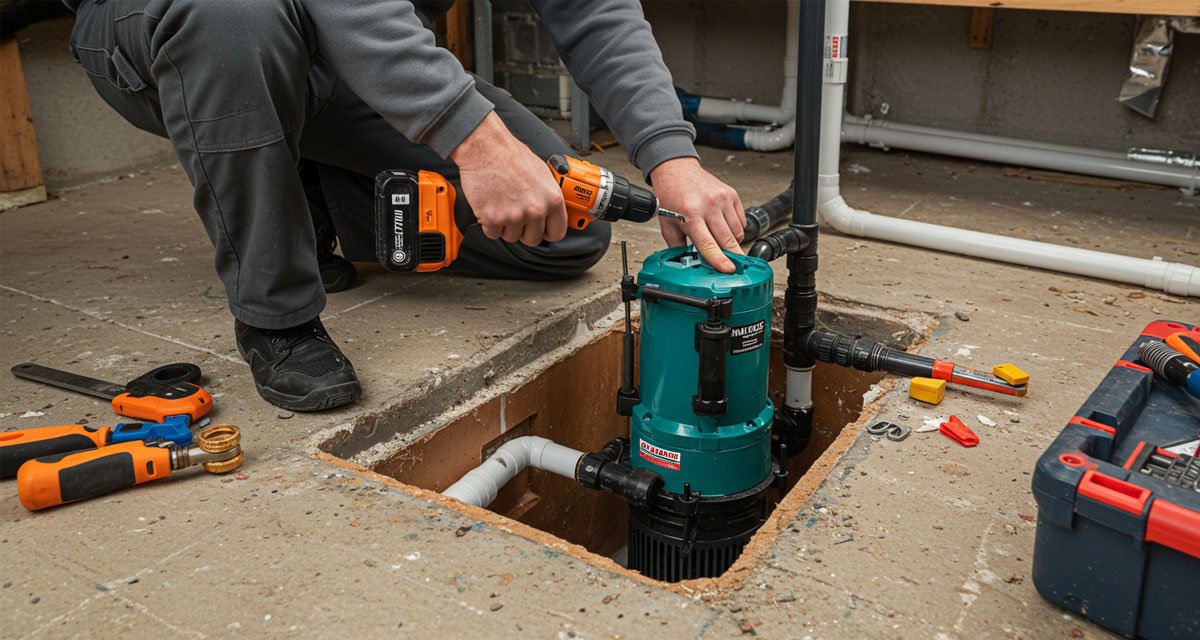
A basic pedestal pump replacement costs $150 to $400 for the unit itself. A submersible pump runs $400 to $800. Hiring a plumber adds $200 to $500 in labor, bringing the total to $600 to $1,200 for a typical replacement job.
The real cost difference is not between pumps. It is between planned replacement and emergency replacement. A flooded basement cleanup starts at $3,000 and climbs fast depending on how far the water spreads and what it ruins.
| Scenario | Typical Cost | Notes |
|---|---|---|
| DIY pedestal pump replacement | $150-$400 | Requires basic plumbing skills |
| Pro pedestal pump replacement | $400-$700 | Includes labor and old pump disposal |
| Pro submersible pump replacement | $600-$1,200 | May need basin modification |
| Emergency replacement (after failure) | $1,200-$2,500 | After-hours rates + cleanup |
| Full basement flood cleanup | $3,000-$15,000 | Depends on finished vs unfinished |
Notice the pattern. A $200 part that costs $600 installed becomes a $1,200 emergency callout when you wait. Most homeowners who have been through a basement flood once do not make that mistake twice.
Can You Replace a Sump Pump Yourself?
Yes, if you are comfortable working with plumbing and electricity. The job takes about two hours for a like-for-like replacement. The four core steps are: disconnect power and old plumbing, pull the old pump, connect the new pump to the discharge pipe, and test with a bucket of water before sealing the basin.
The hard part is not the swap. It is diagnosing whether the old pump really is the problem. A clogged discharge line or a stuck check valve can mimic pump failure exactly.
“I tried replacing a fill valve and ended up with a flooding bathroom. Sump pump seems different, but I am still calling a plumber.”
— r/askaplumber, 4 upvotes, 30 comments (2024)
Not everyone should DIY. If the sump pump pit needs enlarging, if the electrical circuit is undersized, or if the discharge line runs through finished walls, hire a licensed plumber. The $300 labor cost is cheaper than fixing a misrouted discharge pipe in the ceiling below.
Tools You Will Need for a DIY Replacement
- Screwdriver set (flathead and Phillips)
- Adjustable pliers or pipe wrench
- Utility knife (for removing old sealant)
- PVC primer and cement (if working with PVC pipes)
- Buckets and a wet/dry vacuum (for the inevitable spill)
- New check valve (always replace this with the pump)
Sump Pump Maintenance Checklist by Timeline
The difference between a pump that lasts ten years and one that fails at four is almost always maintenance. Or the lack of it. A few minutes per season keeps the mechanical parts in working condition and gives you early warning of problems.
| Frequency | Task | Why It Matters |
|---|---|---|
| Monthly | Pour a bucket of water into the basin to verify the pump turns on and drains | Detects failure before it is needed in a real storm |
| Monthly | Listen for grinding, rattling, or unusual vibration during operation | Early bearing and impeller issue detection |
| Quarterly | Unplug the pump and clean the intake screen of debris | Clogged intakes are the top cause of pump burnout |
| Quarterly | Check the float switch moves freely without obstruction | A stuck float causes short-cycling or no operation |
| Annually | Replace battery backup unit battery (if 3+ years old) | Backup batteries lose capacity even when not used |
| Annually | Inspect the discharge line for cracks, frost damage, or blockages | A frozen discharge line is the same as a dead pump |
| Annually | Test the GFCI outlet with a test button | A tripped GFCI means zero protection with no warning |
| Every 5 years | Consider proactive replacement of the primary pump | Costs less than emergency flood cleanup |
Pouring a bucket of water into the pit takes forty-five seconds. Skipping it costs thousands. That is the whole maintenance argument in two sentences.
“I pour a bucket of water in every first of the month. Takes less than a minute. Never had a surprise failure in 12 years.”
— r/HomeMaintenance, 25 upvotes, 41 comments (2020)
Frequently Asked Questions
How often should a sump pump run?
A sump pump should run only when water enters the basin. In dry weather it should not run at all. During heavy rain it may cycle every few minutes. If it runs every 30 seconds with no rain, something is wrong with the float switch or the check valve.
Why is my sump pump running every 30 seconds?
The most common cause is a stuck or misaligned float switch that triggers before the basin has filled properly. A missing or faulty check valve that lets water flow back into the basin also causes rapid cycling. Both are fixable without replacing the pump.
Should I replace my sump pump before it fails?
Yes, especially if the pump is over seven years old. Proactive replacement costs $400 to $700. Emergency replacement plus flood cleanup costs $3,000 to $15,000. The math favors planning ahead.
How long do battery backup sump pumps last?
The pump mechanism lasts 5 to 10 years, but the battery needs replacement every 3 to 5 years. Lead-acid batteries degrade whether they are cycled or not. If your backup has not been tested in over a year, consider the battery dead until proven otherwise.
What is the best brand of sump pump?
Zoeller, Wayne, and Liberty are the three brands most frequently recommended by plumbers on Reddit and in contractor forums. Ridgid and Superior Pump offer reliable budget options. Brand matters less than correct sizing and proper installation.
Does a sump pump need maintenance?
Yes. Monthly testing with a bucket of water, quarterly screen cleaning, and annual battery replacement for backup units are the minimum. A pump that has never been maintained has a much higher chance of failing during the first heavy rain after a dry spell.
Can a sump pump last 20 years?
Rarely. A water-powered backup pump might reach 15 years because it has fewer moving parts. Standard electric sump pumps that last beyond 15 years are outliers. Relying on a 20-year-old pump is not frugal. It is a gamble with your basement.
Why does my sump pump smell bad?
A stagnant basin produces a sulfur or sewage-like odor when the pump does not cycle frequently enough. Cleaning the basin and pouring a diluted bleach solution into the water helps. A persistent smell may mean the pump is failing to discharge water fully.
When should I call a plumber instead of replacing the pump myself?
If the basin needs enlarging, the discharge line runs through finished walls, the electrical circuit needs upgrading, or you are not confident working with water and electricity together. A plumber charges $200 to $500 for a straightforward replacement. That is cheap insurance against a misinstallation.
Don’t Wait Until the Basement Floods
A sump pump replacement every 7 to 10 years is not an expense. It is a risk management decision with a clear price tag. The pump sits in a hole doing a thankless job, cycling thousands of times a year, keeping water where it belongs. When it stops, the damage starts within minutes.
Test yours this weekend. Pour a bucket of water into the pit and watch it drain. If the pump is over seven years old and you cannot remember the last time you tested it, you already have your answer about how often should a sump pump be replaced. The answer is: sooner than you think.