




The best workout apps in 2026 are not the flashiest ones. They are the apps that remove friction: clear plans, simple logging, useful coaching, honest pricing, and workouts you can repeat after week two.
For most people, the safest first download is Nike Training Club if you want free guided workouts, Hevy if you lift and need a clean gym log, Boostcamp if you want structured strength programs, and Peloton if classes keep you consistent. The right choice depends less on ratings and more on what usually makes you quit.
Best workout apps: quick picks by goal
The strongest choices split by training style: Nike Training Club for free guided workouts, Boostcamp for strength programs, Hevy for tracking lifts, Fitbod for adaptive gym planning, Peloton for classes, Caliber for free strength coaching tools, and Ladder for coach-led progressive plans.
| Goal | Best first pick | Why it stands out | Best for |
|---|---|---|---|
| Free guided workouts | Nike Training Club | Free access to strength, conditioning, yoga, pilates, recovery, and mindfulness content for Nike Members. | Home training, beginners, mixed weekly routines |
| Strength programs | Boostcamp | Large program library, built-in tracking, progressive overload tools, and popular lifting templates. | Gym lifters who want a plan to follow |
| Workout logging | Hevy | Simple routine building, exercise logging, progress graphs, and a free ad-free experience. | People who already know their workouts |
| AI workout planning | Fitbod | Customized sessions based on goals, available equipment, training history, and recovery signals. | Solo lifters who dislike programming |
| Studio-style classes | Peloton App | Strength, yoga, HIIT, meditation, outdoor running, and cardio classes in a polished class library. | People motivated by instructors and streaks |
| Free strength coaching tools | Caliber | Free workout creation, unlimited tracking, more than 600 exercises, and optional coaching upgrades. | Beginners who want structure without paying first |
| Coach-led strength plans | Ladder | Weekly coach-built strength programming, video demos, pacing cues, and plan-based training. | Intermediate lifters who want daily direction |
If you only want one app and are unsure, start with a free option before paying. Nike Training Club, Hevy, Boostcamp, and Caliber give enough value to reveal what you actually need: instruction, tracking, programming, or accountability.
Choosing the right workout app
A good workout app should match your constraint, not your ideal self. Choose based on equipment, training experience, preferred coaching style, tracking needs, injury limits, and whether you need a fixed program or a flexible workout generator.
The small annoyance that decides everything is logging. If entering sets feels like paperwork, you will stop using the app even if the plan is excellent. If the plan is vague, you will drift even if the interface is beautiful.
- Pick the training environment first. Home, gym, hotel room, outdoor running, or mixed training changes the app list immediately.
- Decide whether you need coaching or logging. A class app teaches and motivates. A logger records and reveals progress. A program app tells you what to do next.
- Check the free tier before subscribing. Look for workout limits, program locks, ads, export options, and whether core tracking is behind a paywall.
- Try three workouts, not one. The first session tests novelty. The third session shows whether the app fits a normal week.
- Cancel fast if the app makes training more complicated. Better software should reduce decisions, not add another screen to manage.
The best workout apps feel boring in the right way. They make training repeatable. A perfect recommendation that you abandon after a weekend is still a bad recommendation.
Nike Training Club: best free guided workout app
Nike Training Club is the best free guided workout app for most beginners and casual exercisers because it gives broad, trainer-led workouts without making a paid subscription the first obstacle.
Nike says the Nike Training Club app includes quicker workout options, goal-setting tools, new content, and free guidance from trainers, athletes, and wellness experts. Its App Store listing also describes free access for Nike Members to strength training, conditioning, yoga, pilates, recovery, and mindfulness content.
That range matters. A person trying to restart fitness may not know whether strength, mobility, HIIT, or yoga will stick. Nike Training Club lets that person test several lanes before committing to a narrower platform.
Who should choose Nike Training Club?
Choose Nike Training Club if you want coached sessions, home-friendly workouts, no-cost access, and enough variety to build a weekly routine without designing one from scratch.
Skip it if you want serious barbell progression, detailed lift analytics, or a spreadsheet-like training log. Nike Training Club is more class library than strength tracker.
Hevy: best workout tracker for lifting
Hevy is the best workout tracker for lifters who already have a routine and want fast logging, clean progress charts, exercise history, and social features without an app trying to become their coach.
Hevy positions itself as a free gym workout tracker and planner for iOS and Android. Its Google Play listing says the app is free, has no ads, logs gym workouts, provides statistics, and helps users track progress over time.
The practical strength of Hevy is speed. You can build routines, record sets, reuse workouts, and see whether your numbers are moving. That sounds simple, but a clean log often beats a fancy plan for anyone who trains consistently.
Who should choose Hevy?
Choose Hevy if your main question after each workout is, “What did I lift last time, and did I improve today?” It is especially useful for bodybuilding, powerlifting-style training, and machine-based gym sessions.
Skip it if you need video-led classes or a coach to tell you exactly which program to run. Hevy records the work beautifully, but you still need the work.
Boostcamp: best free strength program app
Boostcamp is the best free strength program app for lifters who want proven templates, progressive overload, and tracking in one place instead of juggling spreadsheets, screenshots, and notes.
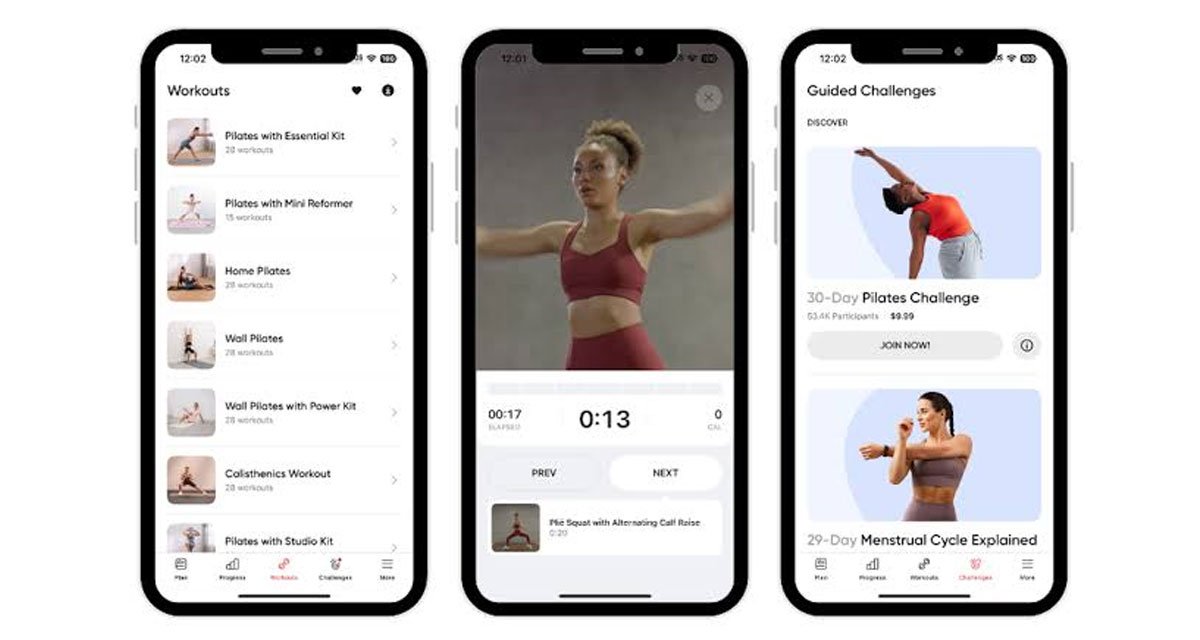
Boostcamp describes its app as a free workout platform with thousands of programs, built-in set and rep tracking, rest times, analytics, and personal record tools. Its Google Play listing says it includes popular strength programs such as nSuns, GZCLP, 5/3/1, Reddit PPL, PHUL, and PHAT.
The appeal is not just volume. It is decision removal. A beginner can pick a known program and follow the next session. An intermediate lifter can stop rebuilding templates every few months.
Who should choose Boostcamp?
Choose Boostcamp if you want a strength plan that tells you exercises, sets, reps, rest, and progression without making you invent programming logic.
Skip it if you prefer instructor-led video workouts or if you mostly do yoga, dance cardio, pilates, or general wellness classes. Boostcamp is strongest when the goal is getting stronger.
Fitbod: best AI workout planner for solo lifters
Fitbod is the best AI workout planner for people who lift alone and want sessions adapted to goals, available equipment, training history, fitness level, and recovery rather than a static plan.
Fitbod’s official FAQ says the app creates customized workouts based on goals, fitness level, and equipment, using progressive overload and muscle recovery alongside its algorithm. Its store listings frame the app around personalized strength and endurance workouts, which is why it belongs on any serious best workout apps shortlist for solo lifters.
This is useful when your schedule is uneven. If the gym is crowded, if you trained legs yesterday, or if you only have dumbbells at home, a flexible generator can keep the week alive.
Who should choose Fitbod?
Choose Fitbod if you want the app to build the workout for you, especially when equipment, time, and recovery change from session to session.
Skip it if you strongly prefer fixed programs, coach communities, or free-first tools. Fitbod is strongest as a paid planner, so the subscription has to save you enough time to be worth it.
Caliber: best free strength app with coaching upgrades
Caliber is the best free strength app for people who want science-based training tools, unlimited workout tracking, a large exercise library, and the option to upgrade into coaching later.
Caliber describes its workout app as a free gym tracker for strength training. Its Google Play listing says the free version lets users create and track unlimited workouts, access more than 600 exercises, and train solo or with friends.
That makes Caliber a smart first stop for beginners who suspect they need structure but are not ready to pay for one-on-one coaching. You can learn the logging flow, build consistency, and decide later whether paid guidance would help.
Who should choose Caliber?
Choose Caliber if you want free strength tracking plus a more coaching-oriented path than a plain gym log. It sits between a tracker and a personal-training platform.
Skip it if your ideal app is a big video class studio or a purely minimalist log. Caliber is best when the training plan matters as much as the numbers.
Peloton App: best workout app for classes
Peloton App is the best choice for people who stay consistent through instructor energy, scheduled classes, music, challenges, and a polished library that goes well beyond cycling.
Peloton’s current app pages list strength, yoga, HIIT, outdoor running, meditation, pilates, gym workouts, and cardio equipment classes across membership tiers. Pricing and access vary by tier, so the smart move is to compare the app plan against the classes you will actually use.
Peloton is not the cheapest route if you only need a strength log. It becomes easier to justify if classes are the thing that gets you moving on tired days.
Who should choose Peloton App?
Choose Peloton App if you like instructors, class variety, streaks, music-driven sessions, and workouts that feel more like an appointment than a spreadsheet.
Skip it if you hate following videos or need granular strength progression. Peloton can support strength work, but it is not primarily a lifter’s notebook.
Ladder: best coach-led strength plan
Ladder is the best coach-led strength app for people who want a weekly plan, video demonstrations, pacing cues, and progressive programming without hiring a personal trainer.
Ladder says its app is built for progressive strength training with in-ear coaching, video demonstrations, precise pacing, and coach-built plans. Its pricing page lists a 7-day free trial and paid monthly or annual options, so it belongs in the “try seriously before paying” category.
The biggest difference from a generic workout library is continuity. Ladder works best when you want to stay inside one team or training style for a block, not hop randomly between workouts.
Who should choose Ladder?
Choose Ladder if you want the feel of a coach-designed strength block and you are willing to pay for programming that changes week by week.
Skip it if you want a free long-term tool, Android-first access, or total freedom to build every session yourself. Ladder is more directed by design.
Best free workout apps worth trying first
The best free workout apps to try first are Nike Training Club, Hevy, Boostcamp, and Caliber because each gives meaningful core value before asking for payment.
| App | Free value | Where payment may matter |
|---|---|---|
| Nike Training Club | Guided workouts across strength, mobility, yoga, pilates, and recovery. | Less relevant if you need advanced lifting analytics. |
| Hevy | Workout logging, routines, statistics, and ad-free tracking. | Heavy customization and some advanced features may require paid access depending on platform. |
| Boostcamp | Strength programs, workout tracking, rest timers, and progression tools. | Premium features can add deeper analytics or exclusive programs. |
| Caliber | Unlimited workout creation and tracking plus a large exercise library. | Paid coaching or Plus features may help if you want feedback and accountability. |
A free app is not automatically better. It is better when the free tier includes the feature that actually changes your behavior. For one person, that is a full workout video. For another, it is seeing last week’s squat numbers instantly. The best workout apps earn attention by making the next session obvious.
Best workout apps by training style
Training style should decide the app. Strength athletes need progression and logging, beginners need clear instruction, class fans need energy, and home exercisers need workouts that respect space, equipment, and time.
| Training style | Best app type | Strong picks | What to avoid |
|---|---|---|---|
| Beginner at home | Guided workout library | Nike Training Club, Peloton App | Apps that assume gym equipment or advanced form knowledge |
| Barbell strength | Program plus log | Boostcamp, Hevy | Random daily workouts with no progression |
| Bodybuilding | Routine builder and volume tracker | Hevy, Fitbod, Caliber | Class-only platforms with weak set history |
| Busy professional | Short sessions and clear next workout | Nike Training Club, Fitbod, Ladder | Apps that require too much planning before each session |
| Motivation-driven training | Instructor-led class app | Peloton App, Nike Training Club | Silent loggers that feel like homework |
The cleanest test is this: open the app on a normal Tuesday, not a motivated Sunday. If it takes more than a minute to know what to do, the app is asking for too much attention.
Workout app features to be careful with
Be careful with workout apps that promise fast body transformations, hide pricing until late, push generic meal plans, overuse AI claims, or make cancellation harder than starting a trial.
Personalization can be useful, but “AI” is not a training credential by itself. A sound app should explain how workouts progress, how exercises can be swapped, what happens when you miss a session, and whether the plan respects your equipment and injuries.
- Vague transformation promises: progress depends on consistency, nutrition, sleep, training load, and starting point.
- No clear progression: workouts should change based on sets, reps, load, difficulty, or planned phases.
- Locked cancellation details: trial terms should be obvious before entering payment information.
- Too much novelty: random daily workouts can be fun, but strength and skill improve through repeated patterns.
- Weak form support: beginners need demonstrations, cues, substitutions, and conservative starting points.
The best workout apps do not need to scare you into a subscription. They show you the next useful session and make the decision feel lighter.
FAQ
What is the best workout app overall?
Nike Training Club is the best overall first download for most people because it is free, broad, beginner-friendly, and useful at home or in the gym.
People focused on strength may get better results from Boostcamp, Hevy, Fitbod, Caliber, or Ladder, depending on whether they need programs, tracking, adaptive planning, or coaching.
What is the best free workout app?
Nike Training Club is the best free guided workout app, while Hevy and Boostcamp are stronger free choices for lifters who need logging or programs.
Caliber also deserves a trial if you want free strength training tools with a path into coaching later.
Which workout app is best for beginners?
Nike Training Club is best for beginners who want guided workouts, while Caliber is better for beginners who want to learn strength training structure.
Beginners should avoid apps that assume perfect form, advanced gym confidence, or complicated programming decisions from day one.
Which workout app is best for building muscle?
Boostcamp, Hevy, Fitbod, Caliber, and Ladder are the strongest muscle-building choices because they support progressive training better than random class libraries.
Boostcamp is best for following known programs. Hevy is best for logging your own plan. Fitbod is best when you want workouts generated for your situation.
Are paid workout apps worth it?
Paid workout apps are worth it when they improve consistency, save planning time, or provide coaching you would not get from a free alternative.
They are not worth it when the paid features are mostly cosmetic, when you ignore the plan, or when a free tracker already solves your real problem.
Final verdict
The best workout app is the one that solves the reason you usually miss workouts. Nike Training Club solves “I do not know what to do.” Hevy solves “I cannot remember what I did.” Boostcamp solves “I need a real strength plan.” Peloton solves “I need someone to get me moving.”
Start free, do three sessions, and judge the app by friction. If it makes training easier to repeat, keep it. If it adds another layer of decisions, delete it before the subscription renews.