




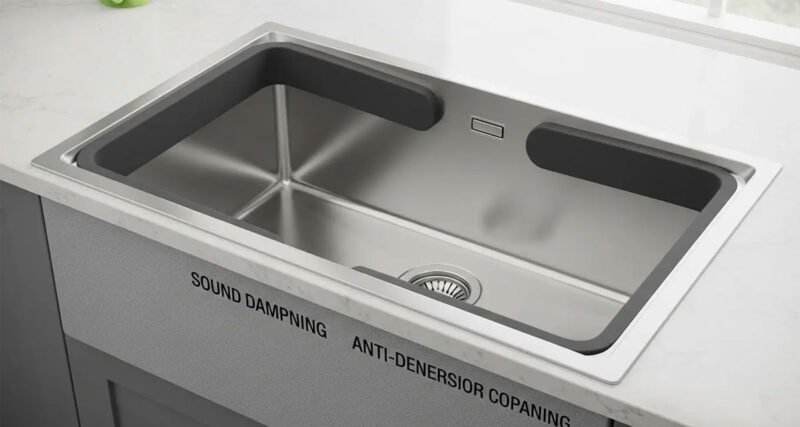
The safest way to choose a kitchen sink material is to start with how the sink will be used, then match the material to cleaning habits, cabinet support, water quality, noise tolerance, and the look of the room. Stainless steel is the most forgiving everyday choice, granite composite is strong and quieter, fireclay and enameled cast iron look classic but need proper support, and copper or natural stone should be chosen only by people who like visible aging and extra care, says Fall River Management team.
A kitchen sink is not just a finish sample. It is where pans land, coffee gets dumped, knives get rinsed, pets may get washed, and food scraps sit for a minute longer than anyone wants to admit. The best material is the one that survives those habits without turning cleanup into a small daily punishment.
Quick Answer: Which Kitchen Sink Material Should You Choose?
Choose stainless steel if you want the easiest all-around sink, granite composite if you want a quieter matte surface, fireclay for a farmhouse look, and cast iron only when the cabinet can carry the weight. Copper, natural stone, acrylic, and porcelain work best for narrower design goals.
| Sink material | Best for | Main tradeoff | Practical verdict |
|---|---|---|---|
| Stainless steel | Busy kitchens, renters, heavy cookware, modest budgets | Shows scratches and water spots; can sound tinny if thin | Best default for most households |
| Granite or quartz composite | Quiet kitchens, dark finishes, people who dislike visible scratches | Can show mineral haze in hard-water areas; harsh cleaners may dull it | Best balance of durability and appearance |
| Fireclay | Farmhouse, cottage, traditional, and bright kitchens | Heavy; chips are possible at hard impacts | Beautiful when the base cabinet is planned for it |
| Enameled cast iron | Classic kitchens where weight is not a problem | Very heavy; enamel can chip if abused | Durable, glossy, and demanding during installation |
| Copper | Warm, handmade, old-world kitchens | Patina changes; acidic foods and scrubbing affect the finish | Choose it for character, not low maintenance |
| Natural stone | Custom luxury kitchens with a strong design statement | Porous or stain-prone depending on stone; expensive | High visual payoff, high commitment |
| Acrylic or solid surface | Light use, integrated counters, budget-friendly updates | Heat and scratches are bigger concerns | Fine for gentle kitchens, weak for heavy-duty use |
The quick rule is simple: if you cook hard, clean fast, and do not want to think about the sink, pick stainless steel or granite composite. If the sink is a design feature, fireclay, cast iron, copper, or stone may be worth the extra planning. That is the practical core of how to choose a kitchen sink material: eliminate the options that fight your habits before comparing colors.
Start With Use, Not Color
The material decision should follow the kitchen’s workload. A sink that looks perfect under showroom lights can become annoying if it chips dishes, holds grime in sharp corners, or needs a cleaner you never remember to use. This is why how to choose a kitchen sink material is really a question about daily friction, not just surface color.
Start by naming the hardest thing the sink will do each week. A family that stacks sheet pans and cast-iron skillets needs a different surface than a household that mostly rinses mugs and salad bowls. A home with hard water should be more careful with black composite, copper, and glossy dark finishes because mineral spots show quickly. A home with open shelving or a nearby living room may care more about sink noise than someone with a closed-off kitchen.
The National Kitchen and Bath Association’s planning guidance emphasizes sink landing space and work zones, not just the fixture itself. Its current planning guidelines are built around support space, accessibility, and real kitchen movement, which is a useful reminder that the sink material is only one part of the decision. A heavy or deep sink still has to work with the cabinet, counter, faucet, disposal, and dishwasher around it. See the NKBA planning guidelines for the broader layout context.
“Most sink problems aren’t about brand or material. They’re about planning.”
– r/kitchenremodel, January 2026
That is the hidden part of choosing a sink. Stainless steel, fireclay, and composite all fail in different ways when the cabinet, cutout, drain slope, or mounting method is wrong. The prettiest material cannot rescue a sink that is too deep for the cabinet or too square to clean comfortably.
Stainless Steel Sinks: The Most Forgiving Everyday Choice
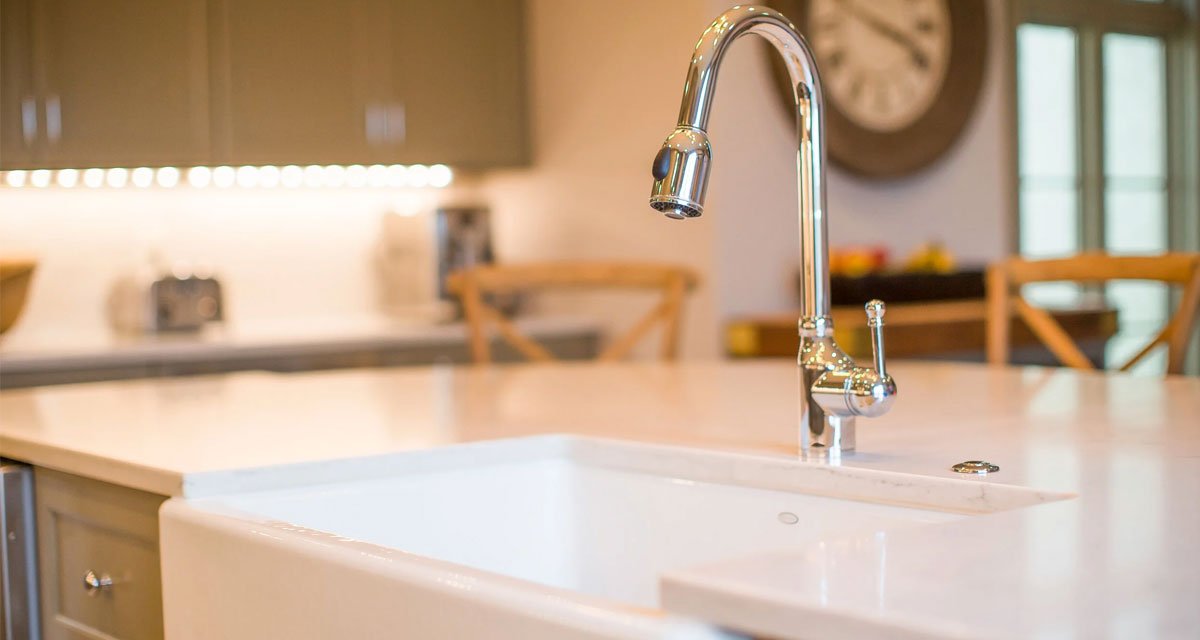
Stainless steel is the best kitchen sink material for most people because it is light enough for easy installation, tough enough for heavy cookware, heat tolerant, and simple to clean. The drawbacks are noise, visible scratches, water spots, and the industrial look some homeowners dislike.
Look for 16-gauge or 18-gauge stainless steel if the budget allows. Lower gauge means thicker metal, so 16-gauge is usually sturdier than 20-gauge. Thicker steel also tends to feel less rattly when water hits the bowl, especially when the sink has sound pads or undercoating.
Stainless steel’s biggest practical strength is forgiveness. A hot pan, a dropped spoon, or a rushed cleanup is less likely to become a permanent crisis. It also pairs with almost every counter material and cabinet style. Even when it scratches, the marks usually blend into a soft brushed pattern over time rather than looking like isolated damage.
The weak point is design fashion. Very square stainless sinks with zero-radius corners look crisp, but they trap grime in a way rounded corners do not. If you want the modern rectangular look, choose a small corner radius rather than a perfectly sharp box. That small curve is easier to wipe with a sponge, especially behind a disposal splash guard or around a sink grid foot.
“Some sinks are very crisply rectangular. It looks very sleek, but the sharply creased corners are miserable to clean.”
– r/kitchenremodel, July 2025
Stainless steel is also common in commercial food equipment because smooth, corrosion-resistant, cleanable surfaces matter in sanitation design. NSF food equipment standards focus on food protection, materials, design, fabrication, and cleanability across commercial equipment categories; that does not mean every home sink is NSF-certified, but it explains why stainless steel remains the workhorse in demanding wet zones. The standard portfolio is summarized by NSF food equipment standards.
Granite Composite Sinks: Quiet, Strong, and More Finish-Sensitive
Granite composite sinks are made from stone particles and resin, giving them a hard, matte, quieter surface than stainless steel. They resist many everyday scratches and stains, but dark colors can show mineral deposits, and abrasive or harsh chemical cleaners can damage the finish.
Composite is the material people often love after switching from stainless because it feels calmer. Water sounds softer, metal utensils do not clatter as sharply, and the surface can make a kitchen feel more built-in. Black, charcoal, gray, and warm beige composite sinks also pair well with stone counters.
The catch is water quality. In hard-water areas, black composite can develop a cloudy mineral film if it is not wiped down. The sink may not be “stained” in the permanent sense, but it can look tired unless you keep up with cleaning. White and light composite sinks hide mineral haze better but may show coffee, tea, tomato sauce, or metal transfer marks more readily.
Composite also needs the right cleaning rhythm. Mild dish soap and non-abrasive pads are the safe default. Skip steel wool, harsh powders, and aggressive drain chemicals sitting in the bowl. Better Homes & Gardens notes that composite granite sinks can be durable and resistant to stains, scratches, and chips, while still needing material-appropriate cleaning to avoid blemishes or finish damage.
Choose granite or quartz composite if you want a sink that feels quieter and more furniture-like than stainless steel. Avoid it if your household tends to leave hard-water droplets, bleach, or acidic residue sitting overnight.
Fireclay and Cast Iron: Classic Looks With Real Weight
Fireclay and enameled cast iron are best for homeowners who want a glossy, traditional sink and are willing to plan for weight, support, and chip risk. Both materials can last for many years, but they are less casual than stainless steel during installation.
Fireclay is made from clay fired at high temperatures, then glazed. It is especially common in apron-front farmhouse sinks. It has a bright, solid look that works beautifully with shaker cabinets, marble-look counters, and warm brass or polished nickel fixtures. It is also heavy. A true fireclay farmhouse sink should be planned before cabinets and countertops are finalized because the base cabinet may need reinforcement or a sink-specific design.
Enameled cast iron has a different feel. It is iron coated in enamel, so it has the heft of metal and the shine of a glazed finish. It can look more refined than many fireclay sinks and is often available in more colors. The downside is the same physical truth: weight matters. If the enamel chips, the exposed metal underneath can become vulnerable.
These materials also affect dishes. Hard, glossy bowls are not gentle landing pads for wine glasses or ceramic mugs. If you toss cookware into the sink, stainless steel may be kinder. If you hand-wash carefully and care about the sink as a visual anchor, fireclay or cast iron can be worth it.
The important thing is to choose these materials before the remodel drawings are locked. A last-minute switch from stainless steel to a heavy apron-front sink can create cabinet, counter, and plumbing problems that cost more than the sink upgrade itself.
Porcelain, Copper, Stone, and Acrylic: When Niche Materials Make Sense
Porcelain, copper, natural stone, and acrylic can be good choices when their limitations match the household. They are not universal workhorses, so they should be selected for a specific reason: period style, handmade patina, custom stonework, or a light-duty integrated counter.
Porcelain and ceramic-style sinks offer a clean, familiar look. They can be charming in older homes, laundry spaces, and small kitchens where the sink is part of the period character. The risk is chipping, scratching, and visible scuffing. A heavy pan dropped at the wrong angle can leave a mark that stainless steel would shrug off.
Copper is almost the opposite of stainless steel. It is chosen because it changes. A copper sink develops patina, responds to acidic foods, and tells on you when cleaners are too aggressive. Some people love that warmth. Others spend the first month trying to keep it looking exactly like the day it arrived, which is not the point of copper.
Natural stone sinks can look spectacular, especially when carved from soapstone, marble, or granite. They also ask for careful sealing, cleaner selection, and realistic expectations about staining or etching, depending on the stone. A stone sink is closer to a custom architectural feature than a neutral appliance.
Acrylic and solid-surface sinks are lighter and often easier to integrate with counters. They can be useful in light-use kitchens, utility rooms, or budget projects where seamless appearance matters. Heat, scratches, and long-term wear are the tradeoffs. If boiling pasta water, heavy pans, and aggressive scrubbing are normal in your kitchen, acrylic is probably not the material to trust.
Match the Material to Installation Type
The same sink material behaves differently depending on whether it is undermount, drop-in, apron-front, or integrated. Installation affects cleaning, cabinet support, counter compatibility, and future replacement, so it should be decided alongside the material rather than after it. If you are learning how to choose a kitchen sink material during a remodel, installation type is the first reality check.
| Installation type | Works especially well with | Watch out for |
|---|---|---|
| Undermount | Stainless steel, composite, cast iron, some fireclay | Needs strong counter support and careful sealing at the rim |
| Drop-in | Stainless steel, acrylic, enameled steel | Rim can collect grime; less seamless with stone counters |
| Apron-front | Fireclay, cast iron, stainless steel | Cabinet sizing and front cutout must be planned early |
| Integrated | Solid surface, stainless steel in commercial-style counters | Replacement can be harder because counter and sink are tied together |
Undermount sinks are popular because crumbs can be wiped straight from the counter into the bowl. The rim is hidden, which looks clean. The weak point is the seam under the countertop edge. If that area is poorly sealed or neglected, residue can collect where it is hard to see.
Drop-in sinks are easier to install and replace, especially in budget remodels. They are less elegant, but they can be practical when the counter material is laminate or when the homeowner wants a simpler future swap.
Apron-front sinks are the least forgiving of late decisions. The cabinet face, sink height, counter overhang, and support platform all have to agree. A fireclay apron sink is not the item to order after the countertop templater has already visited.
Choose by Household Type
The best material changes when the kitchen’s real users change. A careful two-person household, a family with kids, a short-term rental, and a design-first renovation do not put the same stress on a sink.
Best for Heavy Cooking
Stainless steel is the safest pick for heavy cooking because it handles hot pans, sheet trays, utensils, and fast cleanup with fewer consequences. Choose a deeper bowl, sound pads, and rounded interior corners.
Granite composite is a close second if noise and finish matter more than maximum abuse tolerance. Use a bottom grid if you worry about metal marks or impact from heavy pots.
Best for Low Maintenance
Stainless steel wins for low maintenance because it accepts ordinary soap, water, and quick wiping. It may show scratches, but those scratches usually do not reduce function.
Granite composite is low maintenance only if the household wipes standing water and uses gentle cleaners. Fireclay and cast iron are easy to wipe, but chips are a bigger event when they happen.
Best for Design-Led Kitchens
Fireclay, cast iron, copper, and stone make more sense when the sink is part of the kitchen’s visual identity. They can make a room feel intentional in a way a standard stainless bowl may not.
The decision should still be practical. A beautiful sink with sharp corners, poor drainage, or awkward faucet reach becomes annoying quickly. It is better to choose a slightly quieter design that works than a dramatic one that fights every cleanup.
Best for Rentals and Resale
Stainless steel is usually the safest material for rentals and resale because it is familiar, durable, and acceptable to the widest range of buyers. Composite can also work when the color is neutral.
Copper, stone, and bold black sinks are more personal. They may impress the right buyer, but they can also make the kitchen feel taste-specific. Use them when the whole kitchen design supports the choice.
Details That Matter More Than the Material Name
Material matters, but bowl shape, corner radius, drain placement, gauge, finish, and support often decide whether the sink feels good after six months. A well-designed stainless sink can outperform a badly chosen premium material.
- Corner radius: Slightly rounded corners are easier to clean than sharp zero-radius corners.
- Drain placement: Rear or offset drains can free under-sink storage, but the bowl needs a real slope so water does not sit.
- Bowl depth: Deep bowls hide dishes and fit large pans, but they can strain backs and reduce under-cabinet space.
- Single vs. double bowl: Single bowls fit big cookware; double bowls help if you hand-wash and rinse separately.
- Finish color: Dark sinks can show hard-water deposits. Glossy white sinks can show metal marks and staining.
- Bottom grid: A grid protects the surface, but it adds one more thing to clean.
- Faucet reach: The faucet stream should land near the drain or basin center, not splash off the front wall.
The small annoyance people mention most often is not the material’s marketing claim. It is the physical corner that needs a brush, the basin that will not fully drain, or the sink grid that has to be scrubbed like a second dish rack.
A Simple Decision Process Before You Buy
Use a step-by-step filter before comparing brands. First eliminate materials that do not fit your cabinet, water quality, cleaning habits, or cookware, then choose the finish and style from the smaller list that remains.
- Check cabinet size and support. Rule out heavy fireclay, cast iron, and stone if the cabinet cannot support them without reinforcement.
- Decide how rough the sink life will be. Heavy cookware and daily cooking push the decision toward stainless steel or composite.
- Think about water quality. Hard water makes dark composite, black finishes, and copper more maintenance-sensitive.
- Choose installation type. Undermount, drop-in, apron-front, and integrated sinks each change cleanup and replacement options.
- Look at the corners and slope. A rounded, sloped bowl is often better than a sharper-looking sink that traps grime.
- Match the material to the room. Once practical problems are ruled out, choose the finish that actually belongs with the counters, faucet, and cabinet color.
That order prevents the most expensive mistake: falling in love with a sink before knowing whether it fits the space. A sink is both a wet work area and a permanent-looking design object. The work area should win the first round.
Material Comparison by Priority
If one priority matters more than everything else, let that priority narrow the list. Durability, quietness, low maintenance, color, resale safety, and budget do not always point to the same material.
| Priority | Best material choices | Usually avoid |
|---|---|---|
| Lowest maintenance | Stainless steel, light granite composite | Copper, natural stone, dark composite in hard-water homes |
| Quietest daily use | Granite composite, cast iron, fireclay | Thin stainless steel without sound pads |
| Most budget-friendly | Stainless steel, acrylic, enameled steel | Stone, copper, custom fireclay |
| Best for heavy pans | Stainless steel, composite with bottom grid | Porcelain, acrylic, fragile glossy finishes |
| Farmhouse look | Fireclay, cast iron, apron-front stainless | Small drop-in acrylic or builder-grade steel |
| Warm character | Copper, natural stone | Anything chosen only because it looks perfect new |
The cheaper material is not always worse. A good stainless steel sink with the right gauge, drain slope, and corner radius can be more pleasant than an expensive sink that is too heavy, too delicate, or too hard to wipe out.
FAQ
What is the best kitchen sink material overall?
Stainless steel is the best overall kitchen sink material for most homes because it is durable, affordable, heat tolerant, and easy to clean. Granite composite is the strongest alternative if you want a quieter, more finished look.
What sink material works best for hard water?
For hard water, choose stainless steel or a lighter composite finish and avoid dark matte sinks unless you are willing to wipe them regularly. Black composite, copper, and glossy dark finishes can show mineral spotting quickly.
Is fireclay better than stainless steel?
Fireclay is better for a classic farmhouse look, but stainless steel is better for most heavy-use kitchens. Fireclay is heavier and can chip; stainless steel scratches but usually keeps working without drama.
Are granite composite sinks hard to maintain?
Granite composite sinks are not hard to maintain if you use mild cleaners and wipe standing water. They become frustrating when hard-water deposits, abrasive pads, or harsh chemicals are allowed to dull the surface.
Does stainless steel sink gauge matter?
Yes, sink gauge matters because lower-gauge stainless steel is thicker and usually feels sturdier. A 16-gauge or 18-gauge sink is generally better for a main kitchen than a thin 20-gauge model.
What sink material is best for resale?
Stainless steel is usually best for resale because buyers recognize it, it fits many kitchen styles, and it does not require special care. Neutral granite composite can also work well in updated kitchens.
Final Verdict
The right sink material is the one that matches the messiest version of your kitchen, not the cleanest photo of it. Stainless steel is the safe default, granite composite is the quieter upgrade, fireclay and cast iron are classic but heavy, and copper or stone should be treated as design commitments.
If you are stuck, choose a sink with a practical bowl shape first: rounded corners, good slope, a drain position that works with the cabinet, and a material you can clean without special effort. A sink that quietly works every day will age better than one that only looked perfect on installation day.