



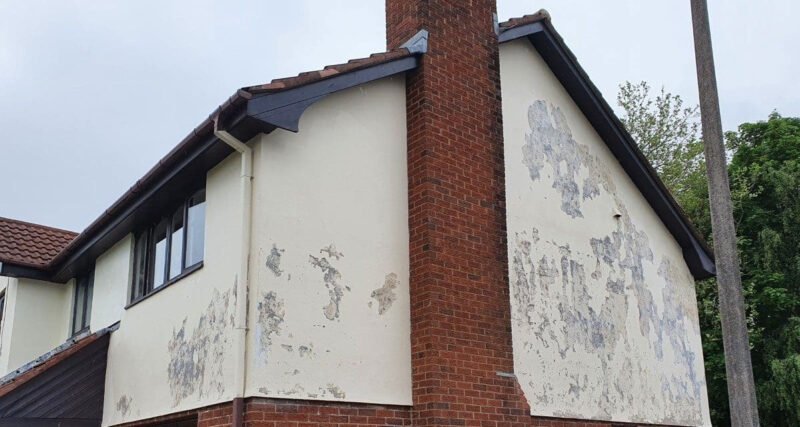
Exterior paint peels when moisture infiltrates the substrate, when surface preparation was skipped or rushed, or when incompatible coatings lose their grip, explains RENOSY Atlanta company. Identifying the specific cause matters more than slapping on another coat, because the peeling will return within months if the underlying problem stays untreated.
One homeowner on Reddit spent over $20,000 on a professional exterior paint job only to watch it peel within two years. That kind of failure is more common than most people realize. The good news: nearly every case traces back to a handful of fixable causes.
Top Causes of Exterior Paint Peeling
Five culprits account for the vast majority of exterior paint failure: moisture intrusion, poor surface prep, paint incompatibility, excessive paint thickness, and direct sun degradation. Moisture alone drives roughly 80% of all peeling cases, according to the Painting and Decorating Contractors of America (PDCA).
Moisture and Water Damage
Water is paint’s worst enemy outdoors. Rain soaks into porous masonry or wood siding. Interior humidity from bathrooms and kitchens pushes vapor outward through walls in a process called vapor drive. When that moisture hits the paint film from behind, it forces the coating away from the surface.
Leaky gutters, poor flashing around windows, and missing caulk joints let bulk water reach the substrate directly. Even condensation on cold mornings can accumulate enough moisture to blister a fresh paint job within one season.
“~2 year old, $20k+ exterior paint peeling?”
— r/centuryhomes, 41 upvotes, 24 comments (2026), source
Twenty thousand dollars and two years. Less time than it took to get on the painter’s schedule in the first place.
Poor Surface Preparation
Paint bonds to the surface it touches, not the surface underneath. Dirt, mildew, chalking residue, and loose old paint all prevent a proper mechanical bond. The Emperor Paint technical team notes that cleaning exterior walls with hot soapy water or a hosepipe is “essential” before any coating goes on, yet it remains the most commonly skipped step.
Bare masonry and bare wood both need primer before topcoat. Without it, the paint soaks unevenly into the porous surface and never forms a continuous film. The result is patchy adhesion that peels in sheets once weather stresses the coating.
Paint Incompatibility
Applying latex paint directly over old oil-based paint without a bonding primer is one of the fastest paths to peeling. The two chemistries don’t fuse. The latex layer sits on top like a sticker and lifts off in large curling strips.
“Paint just peeling off the walls. Latex on latex. Any idea why??”
— r/paint, 29 upvotes, 57 comments (2020), source
Even latex-over-latex can fail if the old layer was chalking or had a glossy sheen. Lightly sanding or using a deglosser solves the adhesion problem in most cases.
How Climate and Weather Accelerate Peeling
Ultraviolet rays break down paint binders over time, freeze-thaw cycles crack rigid film, and sustained humidity traps moisture behind the coating. A well-applied paint job in a mild, dry climate can last 10 years. The same product in a harsh environment might fail in three.
| Climate Factor | How It Damages Paint | Most Affected Regions |
|---|---|---|
| UV exposure | Degrades resin binders, causes chalking and fading | South, Southwest US |
| Freeze-thaw cycles | Water expands inside substrate, cracking the paint film | Northeast, Midwest |
| High humidity | Traps moisture behind paint, causing blistering | Southeast, Gulf Coast |
| Salt air | Corrodes metal substrates, weakens adhesion on masonry | Coastal areas |
According to the American Coatings Association, exterior latex paints in high-UV regions lose up to 1.5 mils of film thickness per year through chalking alone. Same brand, same color, same application method: a house in dry Phoenix might hold for five years while one along the Gulf Coast barely survives two.
How to Fix Peeling Exterior Paint
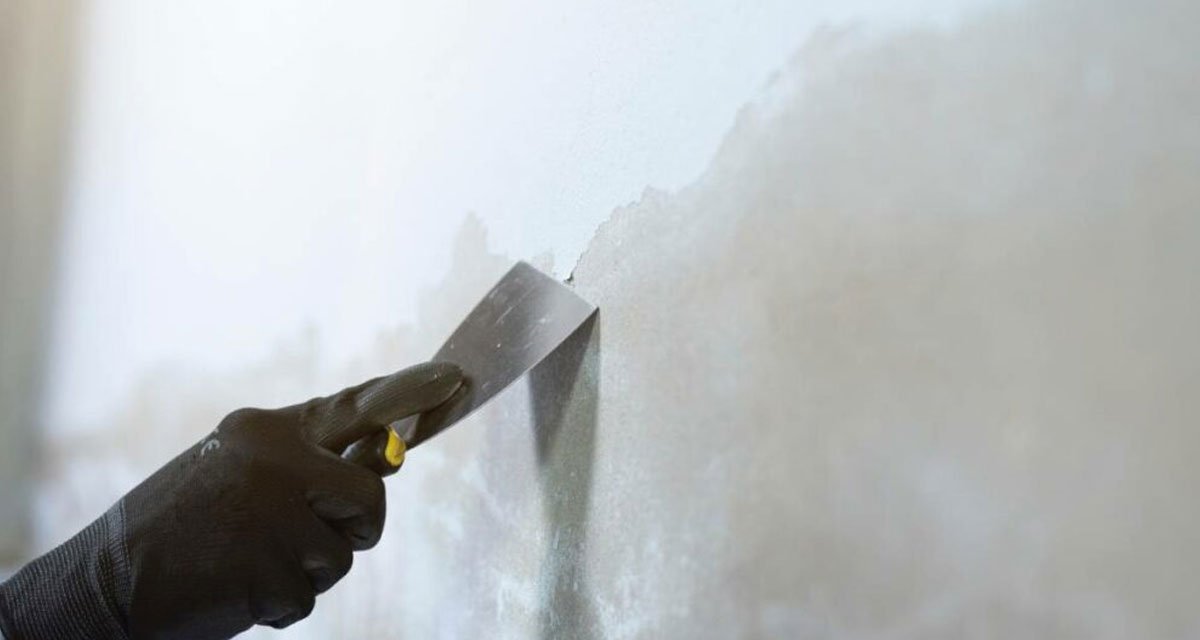
Scrape all loose paint, clean the bare surface, apply a bonding primer, and repaint during dry weather between 50-85 degrees Fahrenheit. Skipping any one of these steps virtually guarantees the peeling will return.
- Scrape and wire-brush all loose, flaking, and blistered paint down to a sound surface.
- Clean with TSP solution (trisodium phosphate) to remove grease, mildew, and chalking residue. Rinse thoroughly and let dry 24-48 hours.
- Fill cracks and holes with exterior-grade patching compound. Sand smooth once cured.
- Apply bonding primer to all bare spots. Use an alkali-resistant primer on masonry, a stain-blocking primer on wood.
- Repaint in proper conditions. Air temperature between 50-85 degrees F, surface temperature below 90 degrees F, relative humidity under 85%. The Benjamin Moore technical data sheet recommends avoiding direct sun on the surface during application.
“Why does most of the paint in my house peel like this?”
— r/Housepainting101, 22 upvotes, 74 comments (2026), source
The 74 comments on that thread almost universally pointed to the same answer: the surface was not cleaned or primed before repainting.
DIY vs. Professional Repair
Small peeling areas under 100 square feet are manageable weekend projects. Larger failures, homes built before 1978 (potential lead paint), or multi-story exteriors call for a licensed painting contractor with proper equipment and insurance.
| Factor | DIY | Professional |
|---|---|---|
| Cost | $50-200 (supplies only) | $2-6 per sq ft (labor + materials) |
| Time | 1-2 weekends | 2-5 days for full exterior |
| Best for | Single walls, small patches | Whole-house, lead paint, 2+ story |
| Risk | Missed moisture source, no warranty | Warranty coverage, proper diagnosis |
| Equipment needed | Scraper, brush, roller, ladder | Scaffolding, sprayer, pressure washer |
The EPA requires certified lead-safe practices for any work disturbing paint on pre-1978 homes. Fines for non-compliance start at $37,500 per day per violation (EPA RRP Rule, 40 CFR 745). Most homeowners attempt the repair themselves first, not because they are confident in the outcome, but because the contractor quote from six months ago still hurts.
Common Myths About Peeling Paint
Three persistent myths lead homeowners to waste money on fixes that peel again within a single season. Correcting these misconceptions saves both time and materials.
- “Just scrape and repaint.” Without addressing the moisture source, new paint peels from the same spots. Scraping treats the symptom. Fixing the gutter, caulking the window frame, or improving ventilation treats the cause.
- “More coats last longer.” Excessive thickness actually promotes peeling. Each additional layer adds rigidity, making the entire paint system more likely to crack and delaminate under thermal expansion. Two coats over proper primer is the industry standard.
- “Any exterior paint works on any surface.” Masonry, wood siding, stucco, and metal each require specific paint formulations. Elastomeric coatings work well on stucco but trap moisture on wood. Alkyd primers bond to chalky masonry but yellow on sun-exposed wood.
Frequently Asked Questions
Can peeling paint signal a bigger problem?
Peeling paint often signals hidden moisture intrusion from leaky roofs, failed flashing, or plumbing leaks inside the wall cavity. If peeling recurs in the same area after proper repainting, hire a moisture inspector to check for water damage behind the surface before recoating.
How long should exterior paint last before peeling?
A properly prepared and applied exterior paint job lasts 5 to 10 years on wood siding and 7 to 15 years on masonry or stucco. Peeling within the first 2 years almost always indicates a preparation or moisture problem rather than a defective product.
Should I use oil-based or latex paint on exterior walls?
Latex (water-based) paint is the better choice for most exterior walls. It allows moisture vapor to pass through the film, reducing blister risk. Oil-based paints offer superior adhesion on bare wood trim but trap moisture on large wall surfaces.
Is peeling exterior paint dangerous?
Peeling paint on homes built before 1978 may contain lead. Disturbing lead paint without proper containment exposes residents and neighbors to toxic dust. The EPA requires lead testing before scraping or sanding on pre-1978 structures (EPA RRP Rule).
What time of year is best to repaint exterior walls?
Late spring through early fall offers the most reliable painting conditions in most US regions. Ideal temperatures range from 50 to 85 degrees Fahrenheit with low humidity. Avoid painting within 24 hours of rain or when overnight temperatures drop below 40 degrees F.
Wrapping Up
Peeling exterior paint is a symptom, not the disease. Moisture, poor preparation, and wrong product choices are behind nearly every failure. Before buying another gallon of paint, find out why the last coat failed. Check gutters, inspect caulk joints, test for lead on older homes, and make sure the surface is clean and primed.
Fix the cause first. The paint will take care of itself.