




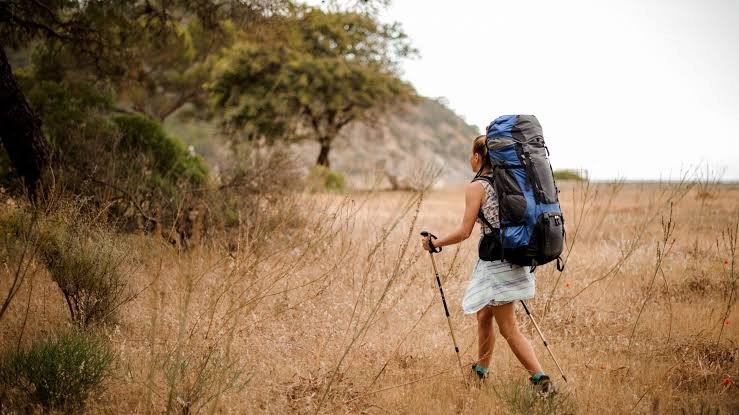
Gear fails at the worst moments. A jacket wets through on mile six. A seam splits on a scramble. The right outfit is not about looking rugged. It is about clothing that performs the same on hour eight as it does on hour one.
This guide breaks down what actually holds up outdoors, piece by piece, and why the specs matter more than the label.
Start With the Base Layer
Your base layer controls moisture, not warmth. That distinction trips up a lot of people. Cotton holds sweat against skin and takes hours to dry. Merino wool and synthetic blends like polyester and nylon wick moisture outward and dry in under an hour.
A solid base layer setup usually includes:
- A merino or synthetic top with flatlock seams to prevent chafing
- Bottoms rated for your temperature range, not just “cold weather”
- A midweight option for shoulder seasons when temps swing 20 degrees in a day
Weight matters here too. Lightweight base layers work below 50°F with activity. Midweight handles freezing temps at rest.
Bottoms Built for Movement
Bottoms take the most abuse on any trip. Bushwhacking, kneeling on rock, sliding into a truck bed. Regular denim is stiff, absorbs water, and restricts hip flexion past 90 degrees. That is a problem on a scramble or a steep switchback.
This is where tactical jeans earn their place. They use a denim-poly blend with mechanical stretch, gusseted crotch panels for range of motion, and reinforced knees. Brands cut them with a slightly higher rise so they do not gap when you bend or squat, which matters more than most people expect until they are stuck adjusting a waistband on a ledge.
Look for a stretch percentage above 2%. Anything less and the fabric fights you on the trail. Ripstop reinforcement at the knee and seat also extends the life of the garment by a full season or more, based on wear testing most outdoor brands publish in their product specs.
Midlayers and Insulation
Insulation works by trapping dead air, not by being thick. A 700-fill down jacket at 8 ounces can outperform a 20-ounce fleece in warmth-to-weight ratio. But down loses almost all insulating power when wet. Synthetic insulation like PrimaLoft holds its structure damp and dries faster. Pick based on the trip. Dry, cold, and packing light: down. Wet, variable conditions: synthetic. There is no single best answer, only the right one for the forecast.
Outer Shells and Weather Protection
A shell needs three things: waterproofing, breathability, and seam sealing. Waterproof rating is measured in millimeters of water column. Anything above 10,000mm handles sustained rain. Breathability is measured in grams of moisture transferred per square meter over 24 hours. Look for 15,000g or higher if you are working hard in the shell, not just standing in it.
Taped seams matter as much as the fabric itself. A shell with a 20,000mm rating and untaped seams will still leak at the stitch lines. Check the seam construction before you check the fabric spec sheet.
Technical Apparel for Specific Disciplines
General outdoor wear covers most trips, but discipline-specific gear changes the equation. Climbing puts unique demands on clothing: harness compatibility, articulated knees for high steps, and fabric that will not bind across the shoulders during overhead reaches.
Off-the-rack pants and shirts often restrict exactly the movements climbing requires. This is why a lot of climbers move toward custom climbing apparel, built to their measurements and movement patterns rather than a standard size chart. Custom cuts account for harness placement, chalk bag access, and repeated overhead motion without the fabric riding up or binding at the shoulder.
The fit difference shows up fast on route. A stock pant might work fine walking to the crag and then bind completely on a high step.
Why the Numbers Back This Up
Outdoor participation has grown steadily for years, which means more people are buying gear without the trial and error that seasoned hikers rely on. In 2024, outdoor recreation participation in the U.S. hit a record 181.1 million people, or 58.6% of Americans aged six and older, according to the Outdoor Industry Association’s annual participation report. That is a lot of new buyers making decisions on fabric and fit for the first time.
More participants means more demand for gear that fits real bodies doing real movement, not mannequins standing still in a showroom.
Footwear and Final Details
Footwear should match terrain, not aesthetics. Trail runners work for maintained paths and fast hiking. Boots with a stiffer midsole protect against rock and off-trail terrain. Sock choice matters just as much: a wool-nylon blend prevents blisters better than cotton in nearly every condition.
Small details finish the outfit. Gaiters keep debris out of boots on loose trail. Sun hoods reduce the need for constant sunscreen reapplication. A pack fit properly at the hips, not the shoulders, prevents fatigue on longer days.
None of this needs to be expensive to work. It needs to fit the trip, the terrain, and the body wearing it. That is the whole formula.