




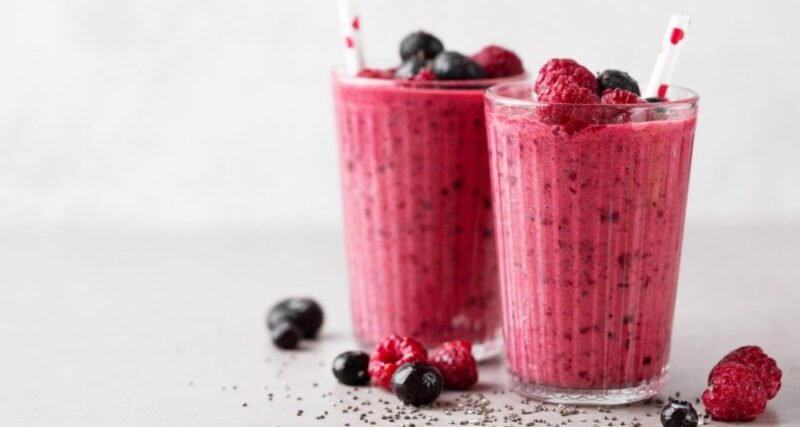
Refillable smoothie pouches — called smoothiepussit in Finnish — are reusable silicone food pouches that let parents fill, seal, and serve homemade purees and smoothies to babies and toddlers without the waste of single-use store-bought pouches. A typical 2-pack costs between $12 and $30 and replaces hundreds of disposable alternatives over its lifespan.
Finnish parents have embraced these refillable pouches as a staple of everyday feeding, and for good reason. A 170ml silicone pouch from a brand like Liewood or Mushie can go from the dishwasher to the diaper bag and back again for years. The concept is simple but the impact — on your grocery bill, your kitchen counter, and the waste stream — is larger than most people expect.
What Are Refillable Smoothie Pouches?
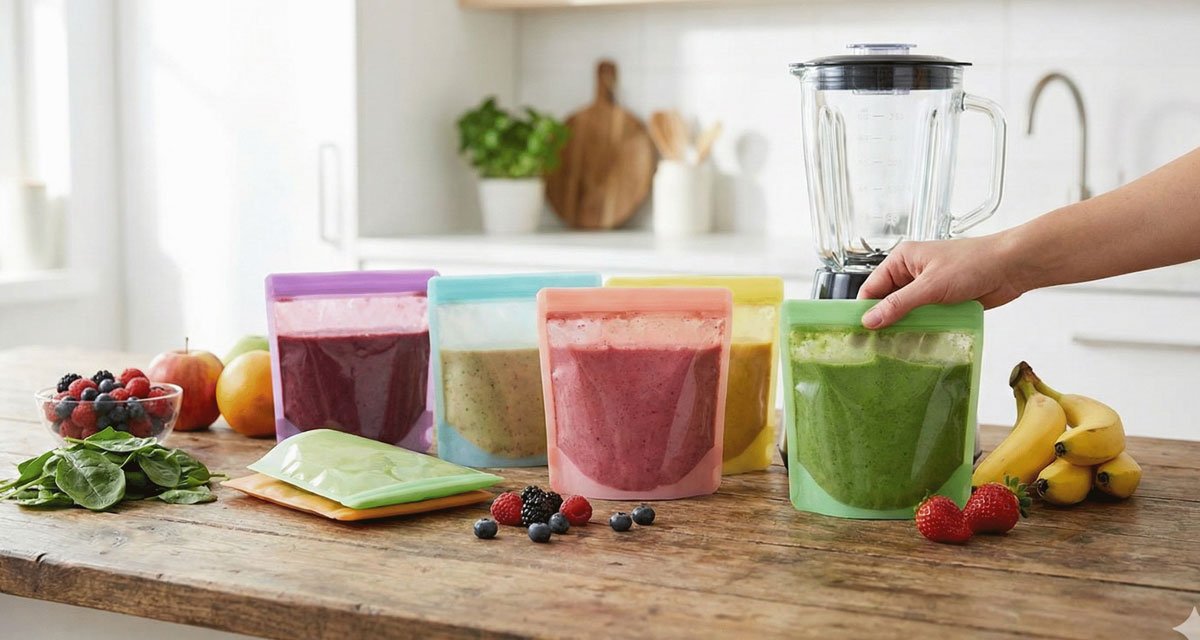
A smoothiepussit, or refillable smoothie pouch, is a food-grade silicone pouch with a wide zipper opening at the bottom and a leak-proof spout at the top. You fill it with homemade puree, seal the zipper, and your child squeezes the contents through the spout, exactly like a store-bought pouch, minus the single-use plastic. Most models hold between 120ml and 200ml and are dishwasher-safe.
The category exploded in the Nordic countries, where brands like Liewood and Mushie turned the humble smoothiepussit from a practical feeding tool into a design object. These are not the flimsy disposable pouches parents cut open with scissors at the park. A silicone smoothiepussit weighs roughly 50 grams empty and can survive being dropped on tile, boiled for sterilization, and frozen with contents inside.
The key distinction that trips up newcomers: smoothiepussit (the refillable kind) are not the same as the pre-filled smoothie pouches sold at grocery stores. The pre-filled versions, brands like HiPPiS, Semper, and Fruit&Go, come sealed from the factory and get tossed after one use.
The refillable versions are empty vessels that you stock with whatever your child actually eats. One Finnish parenting blog put the price difference bluntly: a single pre-filled organic smoothie pouch costs around €1.09 at retail, while a batch of homemade puree using the same ingredients in a reusable pouch runs about €0.30 per serving.
Why Parents Are Switching to Reusable Pouches
Three factors drive the shift toward refillable smoothiepussit: cost, ingredient control, and waste reduction. On cost alone, the math is hard to ignore. A family that goes through two store-bought pouches per day spends roughly €65 per month, over €780 per year. The same volume of homemade puree in a one-time purchase of four refillable pouches cuts that to under €200 annually, even factoring in organic ingredients.
Ingredient control is the less obvious benefit but often the one that clinches the decision. Store-bought pouches are regulated and generally safe, but they are engineered for shelf stability, which means higher sugar concentration from fruit purees and less flexibility to tweak for a child’s actual nutritional needs. With a refillable pouch, parents can add spinach to a mango base without the toddler staging a protest, or thin out a batch with breast milk during the transition to solids. Pediatric dietitians in Finland routinely recommend homemade purees for this reason.
The third driver, waste, hits differently once you have seen what a month of disposable pouches looks like in your kitchen bin. Each pouch is a laminate of foil and plastic that municipal recycling systems cannot process. In a household with one toddler, that amounts to roughly 60 non-recyclable pouches per month. A set of four silicone smoothiepussit eliminates that entire waste stream for two to three years of use.
| Factor | Disposable Pouches | Refillable Pouches |
|---|---|---|
| Monthly cost (2/day) | ~€65 | ~€15-20 |
| Annual waste | ~730 non-recyclable pouches | Zero (reusable 2-3 years) |
| Ingredient control | Factory-formulated only | Full parental control |
| Sugar flexibility | Fixed by manufacturer | Adjustable per batch |
| Upfront investment | None | €12-30 for a 2-pack |
Popular Brands of Refillable Smoothie Pouches
The Finnish and broader Nordic market has settled around a handful of trusted brands, each with distinct strengths. The table below covers the options you will most likely encounter at baby stores and online retailers across Northern Europe.
| Brand | Material | Capacity | Pack Size | Price (approx.) | Dishwasher Safe | Standout Feature |
|---|---|---|---|---|---|---|
| Liewood (Silvia) | 100% silicone, FDA certified, BPA free | 170ml | 2-pack | €28 | Yes | Leak-proof cap, Scandinavian design |
| Mushie | 100% silicone, BPA free | ~150ml | 2-pack | €20-25 | Yes | Wide opening, easy to fill |
| Cherub Baby | Silicone body, BPA-free plastic cap | 150ml | 5-pack or 10-pack | €18-35 | Yes | Interchangeable caps and spoon attachments |
| Choomee | Silicone, BPA and phthalate free | ~140ml | 4-pack | €15-22 | Yes (top rack) | Budget-friendly bulk option |
Liewood’s Silvia line dominates the premium end in Finland. The pouches use a threaded cap that stays sealed even when a toddler puts their full body weight on the bag, a stress test most parents will witness within the first week.
Mushie offers comparable quality at a slightly lower price point, with a softer silicone texture that younger babies tend to find easier to grip. Cherub Baby stands out for its accessory ecosystem: the same pouch body accepts a spoon attachment for spoon-feeding or a standard suction cap for self-feeding.
A Finnish mother who compared multiple brands on her blog noted that the differences narrowed quickly in daily use. “The cap on the HiPP pouch was slightly more fun for the kids,” she wrote about one test, “but for me and the older schoolchild, the cheaper Fruit&Go was perfectly fine.” Her conclusion captures what most parents discover: brand preference matters less than the habit of actually using the pouch instead of reaching for a disposable.
How to Fill, Use, and Clean Reusable Smoothie Pouches
Filling a refillable pouch takes about 30 seconds once you have done it twice. Open the wide zipper at the bottom, spoon or pour in your puree, leave roughly 2cm of headroom so the zipper seals cleanly, and press the zipper track firmly from one end to the other. A quick squeeze test confirms the seal before the pouch goes into the diaper bag. That is the whole process.
Cleaning is where most parents have questions and where the material choice pays off. Silicone pouches can go straight into the dishwasher. The spout and cap can be removed for separate cleaning if your model has a detachable cap design, though most parents report that a dishwasher cycle with the pouch inverted on the top rack handles everything. For hand washing, a bottle brush pushed through the open zipper end reaches every interior surface. Boiling for sterilization works on all 100% silicone models, just remove any plastic cap components first.
Freezing is another underappreciated capability. Silicone smoothiepussit withstand freezer temperatures without cracking, which means parents can batch-prepare two weeks of purees on a Sunday afternoon and thaw individual pouches overnight in the fridge. The pouches defrost in roughly four hours at room temperature or can be placed in warm water for a 15-minute thaw.
One practical tip that surfaces repeatedly in parenting forums: label the pouches with masking tape and a marker before freezing. Mango-peach-spinach looks identical to banana-blueberry-oat once frozen solid, and a toddler handed the wrong flavor at 6 a.m. will make sure you never forget again.
Environmental Impact: How Much Waste Do Reusable Pouches Actually Prevent?
A single child consuming two disposable pouches per day generates roughly 60 empty pouches per month. Each of those pouches is a multi-layer laminate, typically a polyethylene-aluminum-polyethylene terephthalate sandwich, that municipal recycling programs cannot separate. The pouches end up in landfill or incineration regardless of what the packaging suggests about recyclability.
Over the two-year window that a child typically uses puree pouches, that adds up to approximately 1,460 disposable pouches. A set of four silicone refillable pouches, by contrast, replaces that entire volume. The silicone pouches themselves eventually reach end of life after two to three years of regular use, at which point they enter the general waste stream, but four silicone items over three years is a fundamentally different equation than 1,460 laminated pouches.
The production side tells a parallel story. Manufacturing a silicone pouch carries a higher upfront carbon footprint than manufacturing a single disposable laminate pouch. But the break-even point arrives quickly: independent lifecycle analyses of reusable food containers suggest that a silicone pouch used 20 times has already outperformed its disposable equivalent on total environmental impact. Most families exceed 20 uses within the first month.
“I’m looking for easy-to-clean reusable pouches. The disposable ones feel so wasteful but I’m worried about mold growing inside the nozzle if I don’t clean them properly.”
— r/ScienceBasedParenting, 6 upvotes, 7 comments (2021), source
Common Concerns About Reusable Pouches
Mold anxiety is the concern that appears most often in parenting discussions about refillable pouches. The spout design that makes the pouch easy for a child to use also creates a small enclosed channel where moisture can linger. The actual risk is low if the pouch goes through a dishwasher cycle after each use, but parents who hand-wash should pay extra attention to the spout interior. A dedicated spout brush, sold by most pouch brands for a few euros, eliminates the issue entirely.
Leak risk comes up as a secondary worry, and the market has largely solved it. The threaded-cap models from Liewood and Mushie use a compression seal that tightens as the cap screws down. The removable suction caps on Cherub Baby pouches employ a silicone flap inside the spout that opens under pressure when the child sucks but stays sealed against gravity.
Both approaches work reliably. The scenario where leaks actually happen is nearly always user error: a zipper that was not fully pressed shut along its entire length.
Frequently Asked Questions
What does “smoothiepussit” mean?
Smoothiepussit is the Finnish word for smoothie pouches. In everyday Finnish usage, it can refer to both the disposable pre-filled pouches sold at grocery stores and the refillable silicone pouches that parents fill at home. The context usually makes the distinction clear, product listings for reusable pouches typically specify the material (silikonia) and capacity.
Are refillable smoothie pouches safe for babies?
Yes, when made from food-grade silicone with FDA or EU food-contact certification and labeled BPA-free. All major brands sold in the Nordic market, Liewood, Mushie, Cherub Baby, meet these standards. The silicone used is the same material found in baby bottle nipples and pacifiers, and it does not leach chemicals into food even when heated or frozen.
How long do reusable smoothie pouches last?
A well-maintained silicone refillable pouch typically lasts two to three years of regular use. Signs that a pouch has reached end of life include a zipper that no longer seals completely, visible cracks or tears in the silicone body, or a spout that has become difficult to clean thoroughly. Most families rotate through four to six pouches at a time, which extends the lifespan of each individual unit.
Can you freeze homemade baby food in these pouches?
Yes. 100% silicone smoothiepussit can be filled, sealed, and placed directly in the freezer. Leave roughly 2cm of empty space at the top to allow for expansion as the contents freeze. Thaw overnight in the refrigerator or place the sealed pouch in a bowl of warm water for approximately 15 minutes.
How much do refillable pouches cost compared to disposable ones?
A 2-pack of silicone refillable pouches costs between €12 and €30 upfront. A family using two disposable pouches per day at roughly €1 each spends about €60-65 monthly. The refillable option pays for itself within the first two to three weeks, after which the ongoing cost drops to the price of the homemade puree ingredients, typically €0.20 to €0.40 per serving.
Which brand of reusable pouch is easiest to clean?
All major silicone pouch brands are dishwasher-safe, which makes cleaning essentially hands-off. For hand-washing, pouches with a fully removable cap (like Cherub Baby’s design) provide the most direct access to the spout interior. Mushie pouches have a slightly wider zipper opening than Liewood’s, which makes them marginally easier to scrub by hand, though the difference is small in practice.
For parents who have been buying store-bought pouches by the box, switching to refillable smoothiepussit is one of those rare decisions where the cheaper option also happens to produce less waste, give more control over what a child eats, and take less storage space in the kitchen. The upfront cost of a few silicone pouches is roughly what a family spends on disposables in a single week. After that, the math takes care of itself, and the landfill gets 60 fewer pouches every month.