



You are standing at the top of the basement stairs during a heavy rainstorm, listening. Not to the rain. To the sump pump. The sound you want is a brief hum followed by a slosh of water moving through the discharge pipe, then silence. The sound you do not want is grinding, constant running, or nothing at all, notes Oakmont Property Management team.
A sump pump failure almost never announces itself with a bang. It degrades. The symptoms show up weeks or months before the pump actually quits, and most homeowners miss every one of them because nobody thinks about the sump pump until water is seeping across the basement floor. By then, the fix costs several times what it would have cost a month earlier.
What follows is how to check for the seven most common failure signs, in the order you should investigate them. Start at the top. Most problems are catchable with a five-minute inspection and a willingness to go look at a piece of equipment you have ignored since you bought the house.
1: Strange Noises — What a Failing Sump Pump Actually Sounds Like
A healthy sump pump makes one sound: a low hum when the motor activates, lasting five to fifteen seconds while it empties the pit, then silence. Anything beyond that is a diagnostic clue. A grinding or rattling noise means the impeller, the fan-like component that pushes water out, has been damaged by debris. Gravel, silt, and random basement floor detritus end up in the sump pit over time. Most pumps can pass small particles, but a pebble the size of a marble hitting an impeller blade at 1,750 RPM creates a sound that is impossible to miss. The damage is cumulative. One pebble scores the impeller. The next one chips a blade. Eventually the pump runs but moves almost no water.
A loud vibration that shakes the discharge pipe usually means the impeller is cavitating, pulling in air mixed with water because the water level in the pit is too low or the pump is not fully submerged when it activates. The pump wears itself out running dry. A screeching or squealing noise suggests the motor bearings are failing. Bearings tend to go in pumps that are seven years or older and have run thousands of cycles. There is no lubricating bearing noise away. The bearing fails, the motor seizes, and the pump is done.
The counterintuitive one is silence. If it has been raining for an hour and the pump has not cycled once, walk down and look at the pit. If the water is high and the pump is not running, the float switch is stuck, the motor has tripped its thermal overload, or the pump has already failed entirely. The Ready.gov flood preparedness guidance specifically recommends a sump pump with a battery backup for this exact scenario: a pump that works perfectly during normal conditions but fails when a storm knocks out power to the primary unit. A pump with a dead motor is useless. A pump without electricity during a flood is equally useless.
2: Irregular Cycling — Runs Constantly or Won’t Turn On
A sump pump that cycles on and off every two minutes when the pit is barely filling has a float switch problem. The float is the mechanism that tells the pump when to activate. In most residential pumps, it is either a tethered ball float that rises with the water level and trips a switch, or a vertical float on a rod that slides up and down. A tethered float can get hung up on the pit wall, the discharge pipe, or the pump’s own power cord. When it does, it stays in the “on” position regardless of the water level, and the pump runs continuously until the motor burns out. Running dry destroys a sump pump faster than anything except a direct lightning strike.
The opposite problem, the float not rising enough to trip the switch, happens when the float is obstructed from below. Sediment buildup at the bottom of the pit can prevent the float from dropping all the way down, which means it starts each cycle from a partially raised position and never activates. The pit fills, the float does not move, and the water rises past the top of the pit liner into the surrounding soil. By the time you notice, the basement floor is wet.
Short cycling is a separate issue and points to a pump that is oversized for the pit. The pump empties the pit in four seconds, shuts off, and the pit refills from groundwater inflow in thirty seconds. The pump starts again. This on-off-on-off pattern overheats the motor and burns out the start capacitor. A pump that short-cycles will not last a full season. The fix is either a smaller pump, a larger pit, or adjusting the float switch to allow a wider range between activation and shutoff.
3: Visible Rust, Debris, and Standing Water in the Pit
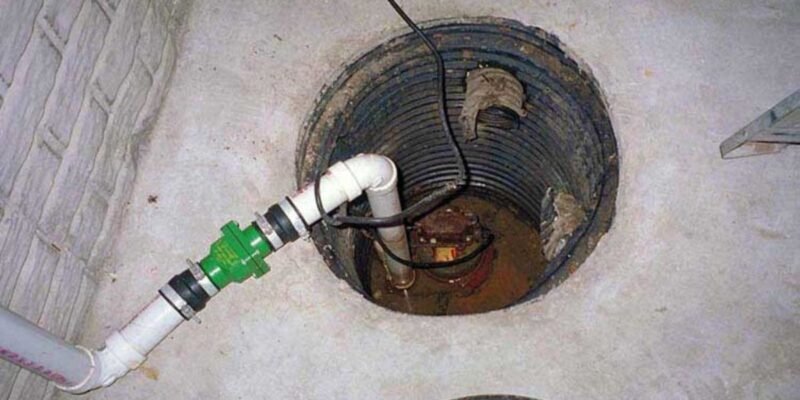
Take the lid off the sump pit and look inside with a flashlight. The pit should be clean enough that you can see the bottom. If the water is dark, smells foul, or has a layer of floating debris, the pump is pulling dirty water through the impeller, and dirty water is the leading cause of premature pump death. Silt and fine sediment act like sandpaper on the impeller and the shaft seal. Once the shaft seal fails, water enters the motor housing. Water plus electricity plus a cast-iron pump body equals a seized motor and a basement that floods during the next rain.
Rust on the pump body itself is normal for cast-iron pumps that are more than a few years old. Surface rust on the housing is cosmetic. Rust on the float switch mechanism or around the electrical connection is not. A rusted float rod will bind instead of sliding smoothly. A rusted electrical connection increases resistance, which generates heat, which can melt the plug or trip the breaker. If the pump plugs into a standard outlet above the pit, pull the plug and inspect the prongs. Discolored or pitted prongs mean the connection has been arcing. Replace the outlet. It is a fifteen-dollar part and about fifteen minutes of work if you know how to de-energize a circuit.
Standing water in the pit that stays high even after the pump cycles means the discharge pipe is blocked, frozen, or the check valve has failed. The check valve is the one-way flap on the discharge pipe that prevents water from flowing back into the pit after the pump shuts off. If the check valve fails, the water in the vertical discharge column drains back into the pit, the float rises again, and the pump cycles again. The pump moves the same water up and down the pipe indefinitely while new groundwater keeps entering the pit. The pump never catches up. The basement floods, and the only thing wrong was a thirty-dollar check valve.
4: Age — The Silent Variable Most Homeowners Forget
A typical residential sump pump lasts seven to ten years. That range assumes the pump was sized correctly, the pit is reasonably clean, and the pump runs several hundred cycles per year rather than several thousand. A pump in a high-water-table area that cycles dozens of times per day may last only three to five years. The motor’s service life is rated in total run-hours, not calendar years, and every cycle eats a small fraction of that budget.
The people who get caught by pump failure are rarely the ones with fifteen-year-old equipment. They know the pump is old and they have been meaning to replace it. The ones who get caught are the people who bought the house four years ago and have never once thought about the sump pump because the previous owner said it was “only a couple years old.” If you do not know the age of your pump, assume it is older than you think. Look for a date code on the manufacturer’s label. If there is no label or the label is illegible, the pump is old enough that replacement should be on your calendar this month, not next year.
The battery backup question matters here. Ready.gov recommends a sump pump with a battery backup as part of flood preparation. A primary pump that is eight years old with no backup is a flooded basement waiting for the right thunderstorm. A new primary pump with a properly maintained battery backup system means one failure mode instead of two. The battery unit needs its own maintenance: the battery should be deep-cycle marine or AGM, not a standard car battery, and it should be replaced every three to five years regardless of whether it has been used.
5: The Float Switch Test — Check Your Pump in 30 Seconds
This test takes less than a minute and should be done right now if you have never done it. Lift the lid off the sump pit. Find the float. It is the ball or cylinder attached to a cord or rod that sits on top of the water. Slowly lift the float by hand until it reaches roughly a 45-degree angle or the top of its travel, whichever comes first. The pump should activate. Let go of the float. The pump should run for a few seconds and shut off when the float drops back down. If the pump does not turn on when you lift the float, the switch is bad, the pump is dead, or the outlet has no power. Plug a lamp or a phone charger into the outlet to confirm power before blaming the pump.
If the pump activates but sounds labored, or the water coming out of the discharge pipe outside is a trickle instead of a surge, the impeller is damaged or the discharge line is partially blocked. A blocked discharge line is common in winter when the outlet pipe freezes, but it also happens in summer when roots infiltrate the buried section of the discharge. Run the test during a dry period so you can hear the pump clearly without rain noise competing.
While you have the lid off, pour a five-gallon bucket of water into the pit. This simulates a real groundwater inflow and lets you observe the full cycle: float rises, pump activates, pit empties, pump shuts off. The water should drain fast enough that the pump runs for ten to twenty seconds. If the pump labors for a full minute to clear five gallons, the discharge path is restricted. Check the outdoor discharge point for obstructions, frozen water, or a flap that is stuck closed.
6: When to Replace vs. When to Repair
The economics of sump pump repair are unusually simple because the cost of a new pump is close to the cost of a service call. A decent 1/3-horsepower submersible sump pump costs between $150 and $250 at a home improvement store. A plumber’s service call to diagnose a pump problem typically starts at $100 to $200 before any parts or labor. If the pump is more than five years old and the problem is anything beyond a stuck float or a failed check valve, replacement is almost always the better decision. You get a new pump with a warranty for roughly the same money as repairing an old pump with no warranty and an unknown remaining service life.
The one exception is a pump under two years old that is still within the manufacturer’s warranty period. Most residential sump pumps carry a two- to five-year warranty. If the pump is within warranty, call the manufacturer before calling a plumber. They will either ship a replacement or direct you to an authorized service provider. The warranty typically covers the pump only, not labor, but a free pump plus a plumber’s labor to swap it is still cheaper than buying a new pump outright.
| Symptom | Likely Cause | DIY Fix? | Approximate Cost |
| Pump doesn’t turn on | Stuck float, no power, dead motor | Check float and power first | $0–$250 |
| Pump runs constantly | Stuck float switch, check valve failed | Yes, if float is accessible | $0–$30 |
| Grinding or rattling noise | Damaged impeller from debris | No, replace pump | $150–$250 |
| Pump cycles too frequently | Pump oversized for pit, short float range | Adjust float if possible | $0 |
| Water stays high after cycle | Blocked discharge, failed check valve | Yes, clear discharge line | $0–$30 |
| Squealing from motor | Failing motor bearings | No, replace pump | $150–$250 |
| Pump runs but moves little water | Worn impeller, clogged intake screen | Clean screen; impeller needs replacement | $0–$250 |
Frequently Asked Questions
How do I test my sump pump to see if it still works?
Lift the float switch by hand until the pump activates, then pour a five-gallon bucket of water into the pit and watch the full cycle. The pump should activate within seconds of the water reaching the float, empty the pit in ten to twenty seconds, and shut off cleanly when the float drops. Do this test twice a year: once in early spring before the rainy season and once in late fall before the ground freezes.
What is the average lifespan of a residential sump pump?
A typical sump pump lasts seven to ten years under normal conditions. Pumps in homes with high water tables that cycle dozens of times per day may fail in three to five years. Pedestal pumps, where the motor sits above the pit, tend to last longer than submersible pumps because the motor stays dry. The pump’s date of manufacture is usually printed on a label attached to the motor housing or the power cord.
Can a sump pump fail without making any noise?
Yes. The most dangerous failure mode is a pump that is receiving power but cannot activate because the float switch is stuck in the down position. The pit fills silently. The water rises past the top of the pit liner. The first sign of failure is water on the basement floor. This is why Ready.gov recommends a water alarm in addition to a backup pump. A water alarm is a $15 battery-powered sensor that sits on the basement floor near the sump pit and emits a loud tone when it detects water.
Should I replace my sump pump before it actually fails?
If the pump is more than seven years old, yes. A preemptive replacement costs $150 to $250 for the pump plus a couple of hours of your time, or roughly $400 to $600 installed by a plumber. The cost of a flooded finished basement starts at several thousand dollars and goes up from there depending on what was stored there and whether the drywall and flooring need replacement. The math is not subtle. Replace the pump before it fails, and replace the battery backup unit’s battery every three to five years on the same schedule.
Why does my sump pump run even when it hasn’t rained?
The pump is responding to groundwater, not rainwater directly. A high water table means the soil around your foundation is saturated regardless of recent precipitation. The pump may also be receiving water from a perimeter drain system that collects groundwater continuously. If the pump is running constantly during dry weather, the float switch may be stuck or the check valve has failed and water is recirculating. A pump that runs every few minutes around the clock needs investigation. The motor was not designed for that duty cycle and will fail prematurely.
The Bottom Line
The sump pump is the only piece of equipment in your house that sits in water on purpose, waiting for a problem, and most people do not think about it until the problem arrives. The failure signs are audible, visible, and testable. Grinding noise means impeller damage. Constant cycling means a stuck float or a bad check valve. Rust around the float mechanism means binding and a pump that will not activate when it should. Silence during a rainstorm means walk down and look at the pit immediately.
The thirty-second float test, the five-gallon bucket test, and a look inside the pit with a flashlight are the diagnostics that catch most failures before they become floods. Do them. The people who end up with four inches of water in a finished basement are not the ones who tested their pump and found a problem. They are the ones who never tested it at all.