



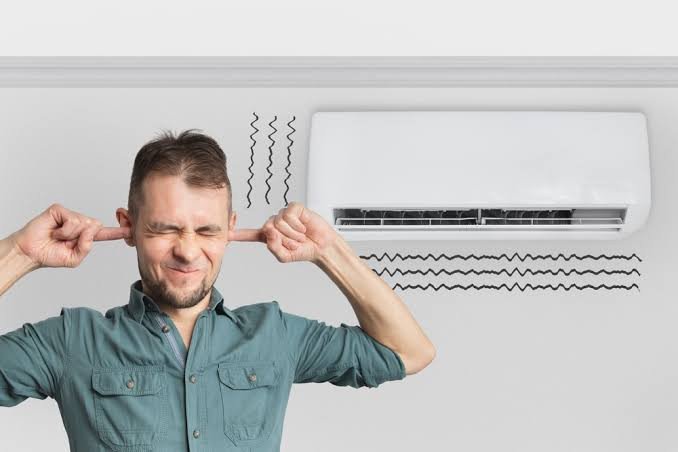
An air conditioner that makes a hissing noise is producing a sound that ranges from completely normal to urgently dangerous. A quiet hiss from the indoor unit that has been there since installation is the refrigerant flowing through the metering device. A loud hiss that started suddenly and is accompanied by reduced cooling is a refrigerant leak. A hiss from the ductwork is an air leak. A hiss from the outdoor unit followed by a pop is the high-pressure relief valve opening, which means the system is dangerously overpressurized. The hiss is the sound of gas moving through a restriction. The question is whether the gas is moving where it is supposed to move, inside the sealed refrigeration system, or escaping into the air where it does not belong.
Refrigerant is the working fluid of the air conditioner. It circulates in a closed loop of copper tubing, changing from liquid to gas and back, absorbing heat indoors and releasing it outdoors. When the loop is intact, the hissing you hear is the normal sound of refrigerant expanding through the metering device into the evaporator coil. When the loop is breached, the hissing is the sound of refrigerant escaping through the hole. A refrigerant leak is not just a performance problem. It is an environmental problem and, depending on the severity, a safety concern. A large refrigerant leak in a confined space can displace oxygen and cause suffocation. A small leak degrades cooling performance gradually over weeks or months.
EPA WaterSense advises that detecting leaks early prevents waste and damage. A refrigerant leak wastes energy, damages the compressor by running it with insufficient charge, and releases chemicals that harm the environment. A hissing sound from your AC that cannot be attributed to normal operation should be investigated immediately.
Refrigerant Leak: The Most Serious Hiss
A hissing sound from the indoor unit, the outdoor unit, or the refrigerant lines that started recently and is getting louder is a refrigerant leak. The hiss is gas escaping under pressure through a small hole. The hole may be in the evaporator coil, a braze joint, a valve, or a section of copper tubing that has rubbed against the cabinet or another line. The leak may be audible only when the system is running, because the pressure in the lines equalizes when the system is off and the hissing stops. A leak that hisses when the system is off indicates a large hole that is releasing pressure from the entire system.
Locate the hiss. Walk around the indoor unit, the outdoor unit, and along the visible refrigerant lines. The hiss will be loudest at the leak point. If you can localize the sound to a specific spot, note the location for the technician. If the hiss is coming from inside the indoor air handler cabinet, the leak is likely in the evaporator coil. If it is coming from inside the outdoor unit, it is in the condenser coil or the compressor connections. If it is coming from the line set where it passes through the wall, the copper tubing may have been damaged during installation or by a nail or screw driven into the wall after installation.
Turn the AC off if you can hear a hiss that you can localize. A refrigerant leak is actively losing charge. Every minute the system runs, more refrigerant escapes. The repair requires a technician to recover any remaining refrigerant, locate and repair the leak, pressure-test the repair, evacuate the system, and recharge it. The cost is $300 to $1,500 depending on the location and accessibility of the leak. Do not attempt to repair a refrigerant leak yourself. Refrigerant handling requires EPA certification under Section 608 of the Clean Air Act. Releasing refrigerant into the atmosphere is illegal.
Normal Operating Hiss: TXV and Refrigerant Flow
A quiet, steady hiss from the indoor unit that has been present since the system was installed, and that does not change in volume or character, is the normal sound of refrigerant flowing through the metering device. A thermal expansion valve, a TXV, produces a hissing or whispering sound as high-pressure liquid refrigerant expands into low-pressure gas through the valve. A fixed orifice metering device produces a similar sound. The hiss is most noticeable when the system first starts and the pressure differential across the valve is greatest. It may diminish as the system runs and the pressures stabilize.
The distinction between a normal operating hiss and a refrigerant leak is the timeline. A hiss that has been there since day one and does not change is normal operation. A hiss that started recently, is getting louder, or is accompanied by a decline in cooling performance is a leak. If you are unsure, check the cooling performance. A system that cools normally and hisses quietly is probably fine. A system that cools poorly and hisses loudly has a leak. The technician can confirm with an electronic leak detector, a device that sniffs for refrigerant in the air around the suspected leak point.
Duct Air Leak: Hissing From the Vents or Walls
A hissing sound from a supply register, especially a high-pitched whistle, is air escaping through a gap in the ductwork. The blower pressurizes the ducts. Air leaks out through any opening. The hiss is the air rushing through the gap. The sound may be louder in one room than another, indicating the leak is in the duct serving that room. It may be louder when the system first starts and the ducts are cold, because the metal contracts and the gaps open slightly.
Seal the duct leak with foil tape or mastic. Locate the leak by following the sound in the attic, basement, or crawlspace where the ducts are accessible. A hiss from an inaccessible duct inside a finished wall or ceiling cannot be sealed without opening the wall. If the hiss is from a register, check that the register damper is fully open and that the register is properly seated in the duct opening. A loose register can whistle.
Pressure Relief Valve: Hiss Followed by a Pop
A loud hiss from the outdoor unit that ends with a sharp pop is the high-pressure relief valve opening. The relief valve is a safety device that releases refrigerant if the pressure in the system exceeds a dangerous level. The hiss is the refrigerant escaping. The pop is the valve reseating. The relief valve opens because the system is overpressurized. The most common cause is a condenser fan that has stopped running while the compressor continues to operate. The heat builds up in the condenser coil with no fan to remove it. The pressure rises until the relief valve opens.
A system that has blown its relief valve has a serious problem. The refrigerant that escaped is gone. The cause of the overpressure, the failed condenser fan motor, the blocked condenser coil, the overcharge, must be corrected. Turn the AC off. Do not restart it. Call a technician. The repair will include fixing the cause of the overpressure, replacing the relief valve if it did not reseat properly, and recharging the system. A relief valve opening is a one-time event that should never happen in normal operation. If it happens, something is wrong.
Frequently Asked Questions
Does a refrigerant leak have a smell?
Most refrigerants used in residential AC systems, R-410A and R-22, are odorless. A refrigerant leak will not smell like natural gas or any other recognizable odor. The only sign is the hissing sound and the gradual loss of cooling. If you smell something chemical or sweet near the AC, it may be compressor oil that escaped with the refrigerant, or it may be an unrelated problem. Do not rely on smell to detect a refrigerant leak. Rely on the sound and the performance.
Why does my AC hiss after it turns off?
A hiss that occurs after the compressor stops, lasting for a few seconds to a minute, is the refrigerant pressures equalizing through the metering device. The high-pressure liquid on one side of the system flows into the low-pressure side. The hiss is normal. A hiss that continues for more than a few minutes after shutdown may indicate a leak in the low-pressure side of the system that is allowing air to enter, or a leak that is pressure-dependent and only hisses at a certain pressure range. If the post-shutdown hiss is new or has changed in volume or duration, have the system checked.
What is the difference between a hissing noise and a bubbling noise?
A hiss is gas moving through a restriction. A bubbling or gurgling sound is liquid refrigerant moving through the evaporator coil, or water and air moving through a partially clogged drain line. A bubbling sound from the indoor unit when the AC is running may indicate that the refrigerant charge is low and liquid refrigerant is flashing into gas prematurely in the coil. A bubbling sound from the drain is a clogged drain line. The hiss is gas. The bubble is liquid. The hiss is usually a leak. The bubble is usually a flow problem.
The Bottom Line
A hissing noise from an AC is either the normal sound of refrigerant flowing through the metering device, or it is a refrigerant leak, an air leak in the ductwork, or a pressure relief valve opening. A quiet, steady hiss that has always been there is normal. A loud, new hiss with reduced cooling is a leak. A hiss from a vent is an air leak. A hiss with a pop is a relief valve. Localize the sound. Check the cooling performance. If the cooling is normal and the hiss is quiet and steady, it is likely normal operation. If the cooling is reduced, the hiss is loud or new, or the sound is coming from a specific point that you can identify, call a technician. A refrigerant leak is the one AC problem that gets more expensive the longer you wait to fix it.