

The common causes of high HVAC bills usually fall into four buckets: the system is running too long, moving too little air, losing conditioned air before it reaches the rooms, or using a more expensive heat source than you realized. Start with the cheap checks before assuming the equipment is dying, notes LRES Property Management experts.
That means filters, thermostat settings, blocked vents, duct leaks, outdoor-unit airflow, and unusual auxiliary heat use. If you are comparing the common causes of high HVAC bills, some fixes are five-minute homeowner tasks, while others need an HVAC technician with gauges, electrical testing tools, and a reason to open the cabinet.
Quick Ranking: Which Cause Is Most Likely?
High HVAC bills are easiest to diagnose when you sort causes by cost, safety, and likelihood. A clogged filter or bad thermostat schedule can waste money for weeks, while refrigerant, electrical, and duct problems usually need professional testing.
| Cause | What it does to the bill | First check | DIY or pro? |
|---|---|---|---|
| Dirty air filter | Restricts airflow and extends run time | Pull the filter and hold it to light | DIY |
| Thermostat schedule or fan setting | Runs the system when comfort does not require it | Check schedule, hold mode, and fan Auto | DIY |
| Leaky ducts | Loses heated or cooled air in attics, crawlspaces, or walls | Look for weak rooms, dusty registers, and exposed duct gaps | Often pro |
| Poor insulation or air leakage | Lets outdoor heat or cold keep re-entering the home | Check attic, weatherstripping, and sun-loaded rooms | DIY plus pro if extensive |
| Electric resistance or auxiliary heat | Can use far more electricity than heat-pump operation | Check thermostat display and energy label | DIY to identify, pro to correct |
| Dirty coils, low refrigerant, worn parts | Reduces heat transfer and forces longer cycles | Look for ice, weak cooling, buzzing, or constant operation | Pro |
One practical rule: if the bill jumped at the same time comfort got worse, suspect an HVAC performance problem. If comfort stayed normal but the bill rose, also check weather, electric rates, thermostat schedules, and whether backup heat has been running quietly.
Dirty Filters, Blocked Returns, and Closed Vents
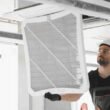
Airflow problems make HVAC equipment work harder without making the house more comfortable. A dirty filter, blocked return, or closed supply vent can reduce the amount of air crossing the coil or heat exchanger, which stretches run time and can trigger bigger failures.
The U.S. Department of Energy says replacing a dirty, clogged air conditioner filter with a clean one can lower an air conditioner’s energy consumption by about 5% to 15%, according to its air conditioner maintenance guidance. That is why the filter is boring but never optional.
Pull the filter and check the size, fit, and direction arrow. If the filter is bowed, gray with dust, or hard to see through, replace it with the correct size rather than forcing a thicker high-MERV filter into a system that was not designed for it.
Then walk the house. Rugs over floor registers, curtains against wall vents, furniture in front of returns, and storage stacked near the indoor unit all create resistance. I still see the same little pattern in high-bill homes: the system sounds busy, but the rooms feel oddly lazy.
Leaky Ducts and Weak Insulation Waste Conditioned Air
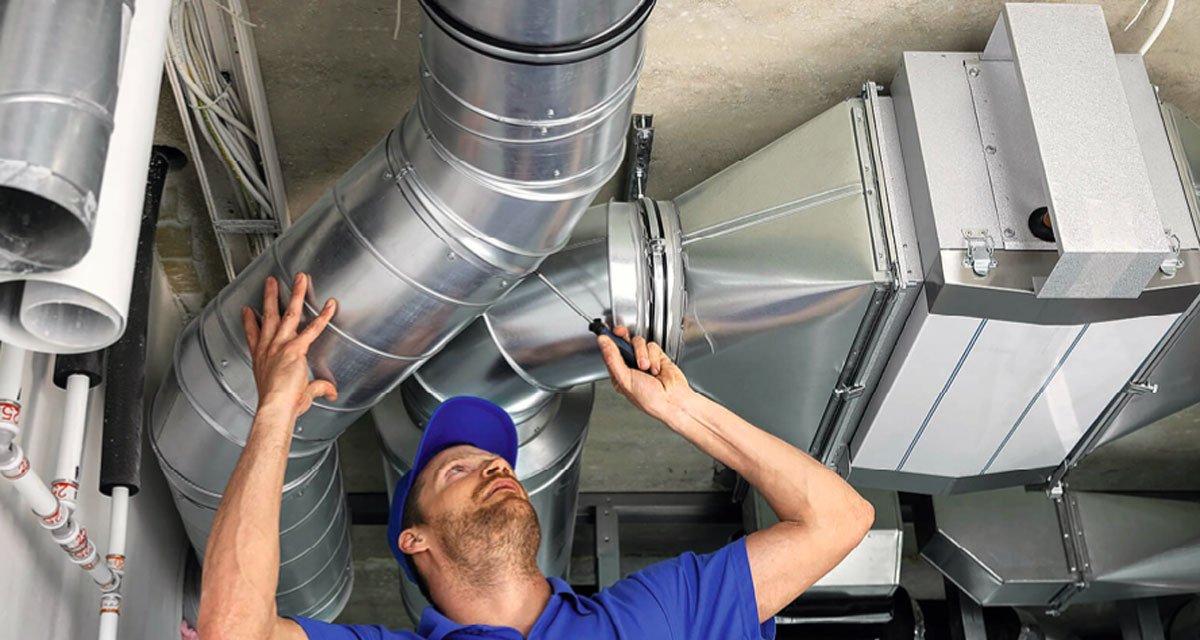
Duct leakage and poor insulation are two of the biggest reasons an HVAC system can run normally while the bill still looks wrong. The equipment may be producing warm or cool air, but too much of that air is lost before it reaches the living space.
ENERGY STAR notes that in a typical house, about 20% to 30% of the air moving through the duct system can be lost through leaks, holes, and poorly connected ducts. That loss is especially expensive when ducts run through an attic, garage, crawlspace, or other unconditioned area.
Clues include one or two rooms that never match the thermostat, dusty streaks around registers, whistling ducts, a musty attic smell when the system starts, and large temperature differences between rooms. Duct leakage is sneaky because the HVAC unit may test fine at the equipment while the house still loses comfort.
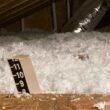
Insulation and air sealing matter for the same reason. Gaps around attic hatches, recessed lights, rim joists, old doors, and poorly sealed windows keep feeding the house outdoor air. On a windy night, that can feel like the system is heating a moving target.
Thermostat Settings Can Quietly Drive Up Runtime
Thermostat problems do not always mean a broken thermostat. A bad schedule, fan set to On, aggressive temperature swings, poor thermostat location, or forgotten hold setting can all turn a normal system into an expensive one.
The Department of Energy says homeowners can save as much as 10% a year on heating and cooling by turning the thermostat back 7 to 10 degrees F for 8 hours a day from its normal setting, per its programmable thermostat guidance. The exact result depends on climate, equipment, insulation, and habits, but the direction is clear.
Set the fan to Auto unless you have a specific air-circulation reason to run it continuously. Fan On can move air all day, which uses electricity and may re-evaporate moisture from the coil during cooling season.
Thermostat placement can also fool the system. A thermostat near a sunny window, kitchen, lamp, exterior door, supply vent, or hallway dead zone may read a temperature that does not represent the main living area.
Electric Resistance Heat and Auxiliary Heat Can Shock the Bill
Cold weather can make an HVAC bill spike even when nothing is broken, especially if the home uses electric resistance heat or a heat pump that is leaning on auxiliary heat. This is the cause many homeowners miss because the thermostat still says Heat and the air still feels warm.
The Department of Energy says air-source heat pumps can reduce electricity use for heating by up to 75% compared with electric resistance heating, according to its heat pump systems overview. Resistance heat is efficient at turning electricity into heat at the equipment, but it can be expensive compared with a heat pump moving heat.
“Nope. The cause of your high electric bills is that it’s cold outside and you have electric heat”
– r/hvacadvice, March 2026 (68 upvotes)
That comment is blunt, but the diagnostic point is useful. If your thermostat shows AUX, EM Heat, emergency heat, or very long heating cycles during cold snaps, the bill may reflect backup heat rather than a mysterious electrical leak.
Check whether the outdoor heat pump is running in normal heat mode. If auxiliary heat runs constantly in mild weather, or if the outdoor unit is iced over for long periods, call a technician.
Dirty Coils, Low Refrigerant, and Worn Parts Raise Bills Too
Mechanical faults usually show up as long cycles, weak airflow, uneven temperatures, short cycling, ice, unusual noises, or equipment that cannot keep up. The bill rises because the system spends more time doing less useful heating or cooling.
Common service-related causes include dirty evaporator or condenser coils, a weak capacitor, a blower problem, refrigerant undercharge, refrigerant leaks, failing contactors, clogged condensate drains, and aging equipment. Refrigerant is not fuel. If the charge is low, the system likely has a leak or was not charged correctly.
Old equipment is not automatically bad, but efficiency standards and wear both matter. A 12-year-old system with dirty coils, leaky ducts, and poor airflow may cost far more to operate than its nameplate rating suggests.
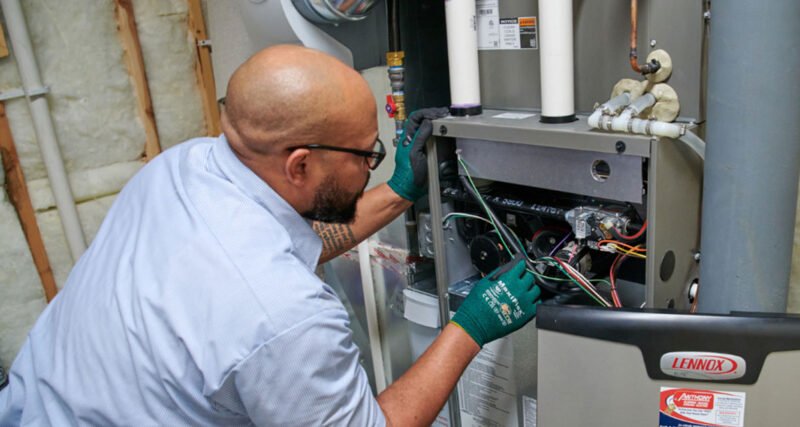
Do not open electrical compartments or attach refrigerant gauges as a DIY experiment. A good technician should measure rather than guess: static pressure, temperature split, refrigerant performance where appropriate, capacitor readings, coil condition, amp draw, and duct clues.
What to Check Before Calling an HVAC Technician
Before booking a service call, gather a few facts so the technician is not starting from fog. The goal is not to diagnose everything yourself, but to separate simple settings from problems that need tools.
- Compare the current bill with the same month last year, not just last month.
- Check whether the utility rate, fees, or billing days changed.
- Replace or inspect the air filter.
- Confirm thermostat mode, schedule, hold setting, and fan Auto.
- Walk the home for blocked supply vents and return grilles.
- Look at the outdoor unit for debris, ice, blocked clearance, or a fan that is not running.
- Notice whether AUX or emergency heat appears on the thermostat.
- Write down rooms that are too hot, too cold, dusty, or weak at the register.
Call a pro sooner if you see ice on refrigerant lines, smell burning, hear electrical buzzing, feel little airflow after changing the filter, notice the outdoor unit not running during a cooling call, or see the system short cycle repeatedly. Those are not comfort quirks. They are equipment warnings.
FAQ
Why is my HVAC bill suddenly so high?
Your HVAC bill may be suddenly high because of extreme weather, a dirty filter, thermostat schedule changes, leaky ducts, auxiliary heat, or a mechanical fault that extended run time. Those are the common causes of high HVAC bills worth checking first.
Can a dirty filter really raise my electric bill?
Yes, a dirty filter can raise your electric bill by restricting airflow and forcing the blower and heating or cooling equipment to run longer than needed.
Do leaky ducts cause high HVAC bills?
Yes, leaky ducts can cause high HVAC bills because conditioned air escapes into attics, crawlspaces, walls, or garages instead of reaching the rooms you are paying to heat or cool.
Is auxiliary heat expensive?
Auxiliary heat can be expensive when it runs often because many systems use electric resistance backup heat, which usually costs more to operate than normal heat-pump heating.
When should I call a technician for high HVAC bills?
Call a technician when the bill increase comes with weak airflow, ice, buzzing, short cycling, uneven temperatures, constant auxiliary heat, or a system that runs for hours without improving comfort.
The Practical Takeaway
The best first move is simple: check the filter, thermostat, vents, returns, outdoor unit, and bill history before paying for deeper diagnostics. If those checks do not explain the spike, the next likely suspects are duct leakage, backup heat, dirty coils, refrigerant trouble, or worn electrical parts.
High HVAC bills are rarely caused by one glamorous failure. Usually it is a stack of small losses, and the expensive part is letting them run all season.