



Moving across town may seem simpler than relocating to another state, but it still requires careful planning and organization. From packing your belongings to updating your address, every step matters if you want to avoid unnecessary stress. A local move can quickly become overwhelming when tasks are left until the last minute or important details are overlooked.
Fortunately, a little preparation goes a long way. Whether you are moving into your first apartment, upgrading to a larger home, or downsizing, following practical strategies can make the entire process more manageable. Here are ten ways to make your local move easier and more efficient.
1. Hire a Reliable Moving Company Early
One of the best decisions you can make is booking professional movers well before your moving date. Waiting until the last minute can limit your options, especially during busy moving seasons.
If you are relocating in the Detroit area, working with Square Cow Detroit Michigan can help streamline the process with experienced movers who understand the logistics of local moves. Choosing a reputable company also reduces the risk of delays, damaged belongings, and unnecessary stress on moving day.
2. Declutter Before You Pack
Moving is the perfect opportunity to get rid of items you no longer use. Go through every room and separate belongings into categories such as keep, donate, sell, and recycle.
Reducing the number of items you move saves time, lowers moving costs, and makes unpacking much easier. It also allows you to start fresh in your new home with less clutter.
3. Create a Moving Checklist
A detailed checklist helps you stay organized throughout the moving process. Write down everything that needs to be completed before, during, and after the move.
Your checklist might include:
- Scheduling movers
- Gathering packing supplies
- Updating your address
- Transferring utilities
- Cleaning your old home
- Packing an essentials box
- Checking off completed tasks gives you peace of mind and helps ensure nothing is forgotten.
4. Pack One Room at a Time
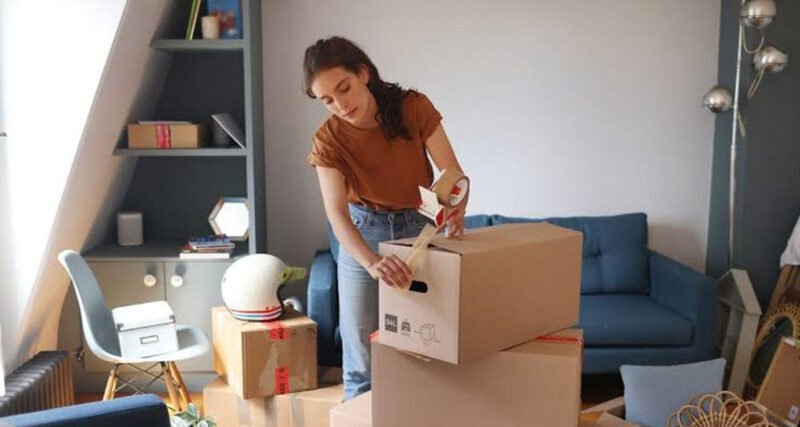
Trying to pack your entire home all at once often leads to confusion. Instead, focus on one room before moving to the next.
Label every box with both its contents and its destination room. This simple step makes unloading faster and helps you find important items without opening multiple boxes.
Keeping similar items together also reduces the chances of losing small belongings.
5. Protect Fragile Items Properly
Glassware, electronics, artwork, and decorative pieces require extra attention during packing.
Use bubble wrap, packing paper, towels, or blankets to cushion delicate items. Fill empty spaces inside boxes so items cannot shift during transportation.
Mark boxes containing fragile items clearly so everyone handling them knows to use extra care.
6. Pack an Essentials Box
Your first night in your new home will be much easier if you have everything you need in one place.
Include items such as:
- Toiletries
- Medications
- Phone chargers
- Important documents
- Basic kitchen supplies
- Snacks and bottled water
- A few changes of clothing
Keeping these necessities nearby prevents unnecessary searching after a long moving day.
7. Notify Important Contacts
Changing your address is an important part of any move. Notify banks, insurance companies, employers, subscription services, and government agencies before your moving date.
You should also update online shopping accounts and delivery services to prevent packages from being sent to your previous address.
Making these updates early helps avoid interruptions in mail and important services.
8. Measure Furniture Before Moving
Large furniture may not fit through narrow hallways, staircases, or doorways in your new home.
Measure both your furniture and the entrances of your new property before moving day. This allows you to plan ahead and determine whether certain items need to be disassembled.
Planning ahead prevents delays and reduces the risk of damaging walls or furniture.
9. Clean Before You Unpack
Whenever possible, clean your new home before bringing in furniture and boxes.
Vacuum floors, wipe cabinets, sanitize bathrooms, and clean windows while the rooms are still empty. This saves time later and allows you to settle into a clean, comfortable environment from the beginning.
A clean home also makes organizing each room much easier.
10. Take Your Time Unpacking
Many people feel pressured to unpack everything immediately, but doing so often creates unnecessary stress.
Start with essential rooms like the kitchen, bathroom, and bedroom before moving on to decorative items and storage spaces.
Setting realistic goals each day helps you stay motivated without becoming overwhelmed. Within a week or two, your new home will begin to feel comfortable and organized.
Conclusion
A successful local move depends on preparation, organization, and realistic planning. Booking professional movers, decluttering before packing, staying organized with checklists, and protecting your belongings all contribute to a smoother experience.
Rather than rushing through every step, give yourself enough time to prepare. Small efforts made in advance can significantly reduce moving day stress and help you settle into your new home more quickly. By following these practical tips, your next local move can be far less overwhelming and much more enjoyable.
Frequently Asked Questions
How to prepare for a local move?
Start preparing several weeks before your moving date by creating a checklist and setting a timeline for important tasks. Declutter your home so you only pack items you actually need, and gather quality packing supplies ahead of time. Schedule your movers early and notify utility companies and other important contacts about your change of address. Label your boxes clearly and pack an essentials box so you have everything you need during your first day in your new home.
What is the easiest way to relocate?
The easiest way to relocate is to plan ahead and break the process into smaller, manageable tasks. Hiring experienced movers can save time and reduce the physical demands of lifting and transporting heavy furniture. Packing one room at a time and labeling every box also makes unpacking much more organized. Staying on schedule and avoiding last-minute packing helps minimize stress throughout the move.
What items will movers not pack?
Professional movers typically avoid packing hazardous or prohibited items for safety reasons. These often include flammable liquids, gasoline, propane tanks, fireworks, paint, certain cleaning chemicals, and other dangerous materials. Many moving companies also recommend transporting valuable documents, jewelry, medications, cash, and sentimental items yourself to ensure they remain secure. Since policies can vary, it is always a good idea to ask your moving company for a list of restricted items before packing begins.