


Finding a damaged pipe is only part of the job. Knowing its exact location makes repairs faster and reduces unnecessary digging. That is why many professionals now choose a sewer camera with locator instead of a standard inspection system.
A sewer camera with 512Hz locator combines visual inspection with underground locating. While the camera travels through the pipe, the built-in transmitter sends a signal that a compatible locator can detect above ground. Modern buying guides consistently highlight 512Hz sondes, camera quality, cable strength, recording features, and locator compatibility as the most important features for advanced inspections.
Why Location Accuracy Matters During Inspections
Seeing a blockage inside the pipe is helpful, but knowing exactly where it sits creates a much clearer repair plan.
Without locating technology, technicians often estimate where the damaged section may be. That can lead to unnecessary digging or additional inspection work. A locating system reduces that uncertainty by helping identify the camera head from the surface.
How a Sewer Camera With 512Hz Locator Works
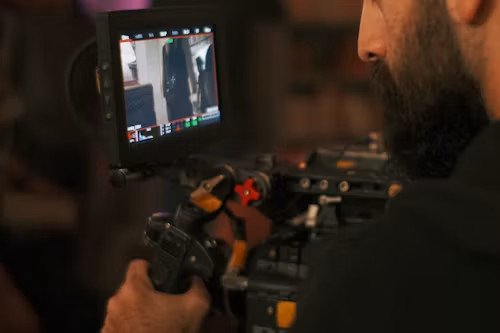
The inspection begins like any standard camera survey. The camera enters the pipe and sends live video to the monitor while moving through the line.
The difference is the built in 512Hz sonde. As the camera advances, it emits a low frequency signal. A compatible handheld locator detects that signal above ground, allowing the operator to identify the camera position and estimate depth based on the locator’s capabilities.
Common Problems It Helps Locate
Many underground pipe problems cannot be identified from the surface.
A locating camera helps pinpoint:
- Tree root intrusion
- Broken or cracked pipes
- Offset joints
- Pipe collapses
- Heavy grease buildup
- Standing water
- Blockages caused by foreign objects
Finding the exact location before excavation helps create a more efficient repair plan.
When a Standard Camera Is Not Enough
A regular inspection camera provides valuable video, but it cannot always tell you where the camera sits underground.
That limitation becomes more noticeable on long sewer lines. After identifying damage, operators still need another method to locate the affected section. A sewer camera with locator combines both tasks into one inspection process.
This is especially useful for underground main sewer lines where surface access is limited.
Benefits for Residential and Commercial Work
Homeowners often use inspection cameras to confirm the cause of recurring drain problems.
Commercial contractors usually inspect much longer pipelines where locating becomes even more valuable. Instead of estimating repair locations, they can identify the section more accurately before planning excavation.
Municipal maintenance teams also rely on locating equipment when inspecting larger underground infrastructure.
Features That Improve Inspection Results
Competitor buying guides consistently recommend looking beyond the locating function alone.
Useful features include:
- Self leveling camera head
- High resolution video
- Bright adjustable LED lighting
- Strong fiberglass push cable
- Distance counter
- Video and photo recording
- Rechargeable battery
- Waterproof camera head
These features improve inspection quality while making reports easier to review later.
Understanding 512Hz Compatibility
Not every locator works with every transmitter.
Before buying a sewer camera with 512Hz locator, confirm that the locator supports the same frequency as the built in sonde. Some camera systems include only the transmitter, while the handheld locator is purchased separately.
Checking compatibility before buying helps avoid problems when locating underground pipe sections.
Factors That Affect Locator Performance
Several conditions influence how well a locator detects the camera signal.
Burial depth, nearby metal objects, electrical interference, soil conditions, and operator technique can all affect locating accuracy. Moving the camera slightly and confirming that the surface signal follows the same movement helps verify that the locator is tracking the correct target.
Understanding these factors helps operators interpret locating results more confidently.
Tips for Choosing the Right Inspection System
Every inspection job has different requirements.
Think about the pipe sizes you inspect most often. Consider cable length, camera head diameter, image quality, waterproof protection, and recording capability. If locating underground pipe sections is part of your work, confirm that the system supports a built in 512Hz sonde and a compatible receiver.
Selecting equipment based on actual inspection needs often provides better long term value than focusing on one specification alone.
Practical Inspection Tips
Good inspection habits improve both image quality and locating results.
Clean the camera head before every inspection to maintain a clear picture. Move the push cable steadily instead of forcing it through tight bends. Keep the monitor bright enough to identify small defects without losing detail.
When using the locator, pause occasionally to confirm the camera position before moving farther down the pipeline. Recording inspection footage also creates a useful reference for future maintenance.
Final Thoughts
A sewer camera with locator does more than show what is inside a pipe. It also helps identify where the problem is located, making repair planning more efficient and reducing unnecessary excavation.
Choosing a sewer camera with 512Hz locator adds another level of confidence during underground inspections. When combined with clear video, durable construction, recording features, and a compatible locator, it becomes a practical tool for residential, commercial, and municipal inspection work.
FAQs
What is a sewer camera with locator?
A sewer camera with locator combines a pipe inspection camera with a locating transmitter that helps identify the camera’s position from above ground.
What does a 512Hz locator do?
A 512Hz locator detects the signal from a compatible 512Hz sonde, allowing the operator to locate the camera head underground.
Does every 512Hz camera include a locator?
No. Some systems include only the built in transmitter, while the handheld locator is sold separately.
Who benefits most from a locator enabled camera?
Plumbers, drain specialists, contractors, and maintenance teams that inspect underground sewer lines benefit the most.
What features should I compare before buying?
Compare image quality, cable length, waterproof rating, recording functions, self leveling capability, distance counter, and 512Hz locator compatibility.