



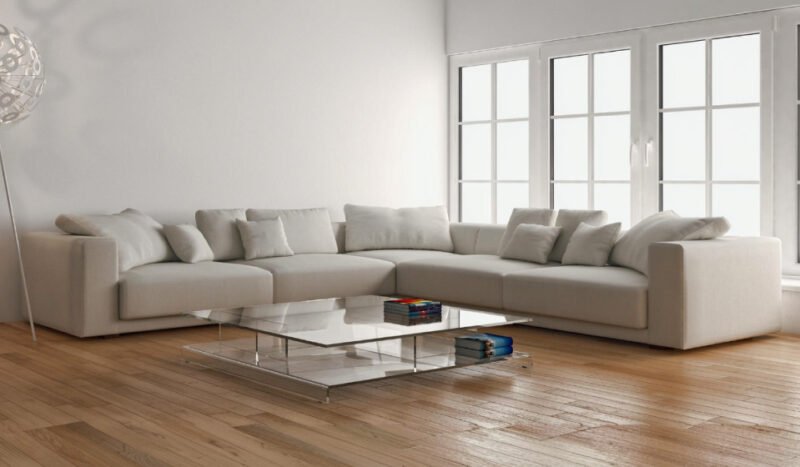
The living room is often the busiest area of the home, making furniture selection an important part of creating a comfortable and practical space. Among the many seating options available, corner lounge suites stand out for their ability to maximise seating, define the layout, and suit homes of all sizes. Whether furnishing a compact apartment or an open-plan family home, a well-planned corner lounge can improve both the functionality and appearance of the room.
From choosing the right position to adding the finishing decorative touches, the following ideas can help create a living room that feels balanced, inviting, and easy to enjoy every day.
Understand the Room Before Choosing a Layout
Before deciding where a corner lounge should go, it is worth taking accurate measurements of the room. Consider the available floor space, the location of windows and doorways, and the natural pathways people use to move around the area.
A lounge that is too large can overwhelm the room, while one that is too small may leave the space feeling disconnected. Allow enough clearance around the furniture so movement remains comfortable without making the room appear cramped.
The orientation of the chaise is equally important. A left-hand or right-hand configuration should complement the room’s layout rather than interrupt its flow.
Make the Most of the Corners
Despite the name, a corner lounge does not always need to sit tightly in a corner. However, placing it against two adjoining walls remains one of the most effective ways to maximise available space, particularly in smaller living rooms.
This arrangement opens up the centre of the room, leaving more space for everyday movement while creating a cosy seating area. Leaving a small gap between the lounge and the walls can improve airflow and make cleaning much easier.
Use the Lounge to Define Open-Plan Spaces
Modern homes often feature open-plan layouts where the kitchen, dining, and living areas share one large space. A corner lounge naturally acts as a subtle divider without requiring permanent walls.
Positioning the longer section of the lounge towards the dining area helps establish separate zones while maintaining an open, spacious feel. This layout also creates a comfortable conversation area that encourages family interaction without closing off the room.
Create a Balanced Seating Arrangement
While a corner lounge provides generous seating, balancing the surrounding furniture is equally important. Rather than overcrowding the room with additional large pieces, introduce complementary furniture that maintains visual harmony.
A single accent chair, a compact side table, a coffee table or an ottoman can complete the seating arrangement without making the room feel crowded. Keeping furniture proportions consistent allows the lounge to remain the focal point while creating a welcoming environment for entertaining guests.
Anchor the Space with a Floor Rug
One of the easiest ways to make a living room feel complete is by introducing a well-sized floor rug beneath the seating area. Besides adding warmth and texture, a rug visually connects the lounge with nearby furniture.
Ideally, the front legs of the corner lounge should sit on the rug, helping define the seating zone. Selecting a rug that is too small can make the room feel disconnected, while a generously sized rug creates a more cohesive appearance.
Neutral colours work well in most interiors, while subtle patterns can introduce character without competing with the furniture.
Position the Lounge Around a Focal Point
Every living room benefits from a clear focal point. This may be a fireplace, television, large window, artwork, or even a feature wall.
Arrange the longer section of the corner lounge so it naturally faces this feature. Doing so improves comfort while creating visual balance throughout the room. If the lounge includes a chaise, position it where it enhances relaxation without blocking pathways or restricting access to other parts of the home.
Layer Soft Furnishings for Comfort
Once the furniture layout is complete, accessories help bring personality into the room. Layering cushions with varying textures and sizes adds depth without creating clutter.
Throws made from natural fibres can soften the overall look while making the lounge feel more inviting throughout the year. Mixing fabrics such as linen, cotton, boucle, and wool creates a subtle contrast while maintaining a cohesive palette.
Keeping colours within a consistent range allows the accessories to complement rather than overpower the furniture.
Incorporate Natural Elements
Natural materials continue to be a popular choice in home interiors because they create warmth and timeless appeal.
Timber coffee tables, woven baskets, ceramic vases, indoor plants, and stone accessories pair beautifully with corner lounges. These elements introduce texture and soften the structured lines often associated with L-shaped furniture.
Indoor greenery is particularly effective for bringing life into the room while helping larger furniture pieces feel less dominant.
Consider Lighting as Part of the Layout
Lighting influences both the appearance and functionality of the living room. Rather than relying solely on overhead lighting, combine multiple light sources to create a more comfortable atmosphere.
A floor lamp positioned beside the chaise provides practical lighting for reading, while table lamps create softer evening illumination. Maximising natural light during the day also helps the lounge become an inviting feature without making the room appear heavy.
Keep Styling Simple and Functional
The most successful living rooms balance style with practicality. Decorative accessories should enhance the overall design without overcrowding available surfaces.
Books, candles, trays, and a few carefully selected decorative objects often create a cleaner, more sophisticated finish than displaying numerous small items. Regularly editing decorative pieces also helps maintain a fresh appearance as seasons and personal preferences change.
Rather than following short-lived design trends, selecting timeless colours and quality furnishings creates a living room that remains attractive for years to come.
Conclusion
A thoughtfully positioned corner lounge can completely transform the way a living room looks and functions. Whether creating zones in an open-plan home, making the most of a compact space, or establishing a comfortable setting for everyday living, careful planning makes all the difference.
By considering layout, proportion, lighting, texture, and accessories together, it becomes much easier to create a space that feels cohesive, practical, and welcoming. With the right styling choices, a corner lounge becomes the centrepiece that brings the entire living room together.
Frequently Asked Questions
What size corner lounge is best for a small living room?
Choose a lounge that fits comfortably within the available floor space while leaving clear walkways around the furniture. Measuring the room beforehand helps prevent the lounge from overwhelming the space.
Where should a corner lounge be placed?
A corner lounge can be positioned against adjoining walls, centred within an open-plan layout, or arranged to face a fireplace, television, or large window. The ideal placement depends on the room’s size and traffic flow.
How large should a rug be under a corner lounge?
A rug should be large enough for the front legs of the lounge to rest comfortably on it. This helps define the seating area and creates a more balanced, cohesive layout.
How can a corner lounge be styled without making the room feel cluttered?
Use a restrained colour palette, layer cushions with different textures, add a throw for warmth, and include only a few carefully chosen decorative accessories. Keeping surfaces uncluttered allows the lounge to remain the focal point.
Are corner lounges suitable for open-plan homes?
Yes. Corner lounges are an excellent choice for open-plan living because they naturally define separate zones while maintaining an open and spacious feel.