



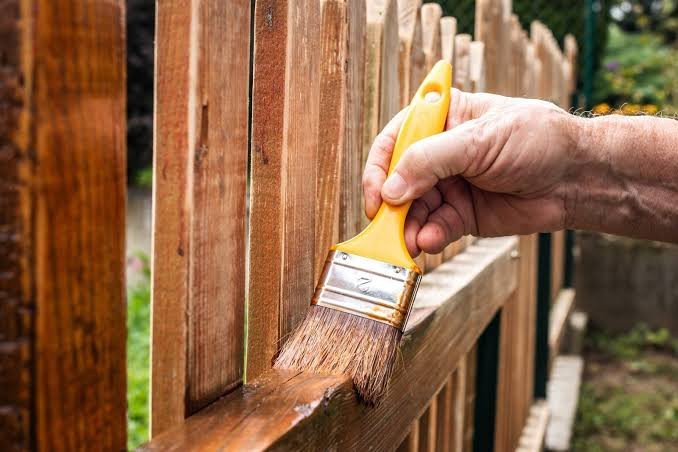
Staining a wood fence costs $1.50 to $4.00 per linear foot for professional labor and materials, or $0.50 to $1.50 per linear foot if you do it yourself. A 100-foot, 6-foot-tall privacy fence costs $150 to $450 to stain as a DIY project, or $600 to $1,200 for a professional job. The wide range exists because the fence height, the stain type, the fence condition, and the application method all change the cost significantly. A 4-foot picket fence costs half as much as a 6-foot privacy fence because it has half the surface area. A fence that needs power washing and sanding before staining costs more than a fence that is ready for stain. The same diligence applies when it comes to Florida security deposit laws.
The cost difference between staining a fence and replacing it is an order of magnitude. Staining a 100-foot fence for $600 extends its life by 3 to 5 years. Replacing the same fence with cedar costs $3,000 to $6,000. The stain is not optional maintenance. It is the cheapest way to protect the largest exterior wood surface on most properties. Here is the cost breakdown by fence type, stain type, and application method.
Cost by Fence Type and Size
| Fence Type | Surface Area (per 100 ft) | DIY Cost | Professional Cost |
| 4-ft picket fence | ~400 sq ft (one side) | $50–$200 | $300–$700 |
| 6-ft privacy fence | ~600 sq ft (one side) | $75–$300 | $450–$1,000 |
| 6-ft privacy fence (both sides) | ~1,200 sq ft | $150–$450 | $800–$1,600 |
| 8-ft privacy fence (both sides) | ~1,600 sq ft | $200–$600 | $1,000–$2,000 |
The surface area of a fence is calculated as the length times the height, times the number of sides being stained. A privacy fence is typically stained on both sides because both sides are visible: one side faces your yard, the other faces the neighbor or the street. Staining only one side is cheaper but leaves the un-stained side to weather, gray, and eventually rot while the stained side remains protected. The un-stained side also looks different from the stained side, which is a cosmetic issue if the fence is visible from the street or from a neighbor’s property.
For picket fences and split-rail fences, the surface area calculation is more complex because the fence is not a solid surface. The actual wood surface area is the sum of the surface area of each individual picket or rail. A picket fence with 1-by-4 pickets spaced 2 inches apart has approximately 60 percent of the surface area of a solid privacy fence of the same height. The cost to stain a picket fence is proportionally less than a privacy fence, but the labor is higher per square foot because each picket has four sides that must be coated, not two.
Cost by Stain Type
| Stain Type | Material Cost (per gallon) | Coverage (per gallon) | Labor Difficulty |
| Clear or natural sealer | $25–$40 | 200–300 sq ft | Low |
| Semi-transparent (oil-based) | $30–$50 | 150–250 sq ft | Low |
| Semi-transparent (water-based) | $30–$50 | 200–300 sq ft | Low |
| Semi-solid | $35–$55 | 150–250 sq ft | Medium |
| Solid color stain | $40–$60 | 150–250 sq ft | Medium |
Clear sealers and semi-transparent stains are the most common choices for fences because they penetrate the wood and do not form a surface film that can peel. The stain fades gradually and is recoated without scraping or sanding. Solid color stains are used when the fence is older, the wood is discolored, and the homeowner wants a uniform appearance that hides the wood grain. Solid stains cost more in materials and labor because they require more thorough surface preparation and must be applied more carefully to avoid lap marks and drips.
Oil-based stains penetrate deeper and last longer per coat than water-based stains, but they emit higher levels of volatile organic compounds during application and drying. The EPA recommends increasing ventilation when working with solvent-based products. For outdoor fence staining, natural ventilation is usually sufficient, but wearing a respirator rated for organic vapors is recommended when spraying oil-based stain.
DIY vs. Professional Cost
A DIY fence staining job costs $0.50 to $1.50 per linear foot in materials. A 100-foot fence requires 2 to 4 gallons of stain at $25 to $60 per gallon, plus application supplies including brushes, rollers, a pump sprayer, drop cloths, and masking tape. The total material cost is $75 to $300. The labor is one to two days for one person, depending on the fence size and the application method.
Professional fence staining costs $1.50 to $4.00 per linear foot including labor and materials. The cost varies by the application method: spraying is the fastest and least expensive, brushing is the slowest and most expensive, and a combination of spraying and back-brushing is the standard professional method. Back-brushing after spraying works the stain into the wood grain and produces a more uniform finish than spraying alone. The labor for a professional crew of two on a 100-foot fence is 4 to 8 hours.
The decision to hire out fence staining depends on the fence height, the fence length, and your tolerance for repetitive work. A 4-foot picket fence is low enough to stain from the ground with a brush and a roller. A 6-foot privacy fence requires a ladder or a pump sprayer to reach the top, and working from a ladder while holding a brush or a sprayer is physically tiring over 100 linear feet. The labor premium for a tall fence is higher because the work is slower and more physically demanding.
Additional Costs: Preparation and Repairs
Fence staining quotes may or may not include surface preparation. A fence that has been exposed to weather for more than a year needs cleaning before staining. Power washing costs $0.50 to $1.00 per linear foot as a standalone service or is included in a professional staining quote. A fence with peeling solid stain requires scraping and sanding, which adds $1.00 to $2.00 per linear foot to the preparation cost. A fence with broken or rotted pickets that need replacement before staining adds the material cost of the replacement pickets plus the labor to remove the old ones and install the new ones.
Always clarify with a contractor whether surface preparation is included in the staining quote. A quote that seems lower than competing quotes may exclude preparation, which you will either do yourself or pay for as an additional charge. A quote that includes preparation, staining, and cleanup is the true cost of the job.
Fence Staining vs. Deck Staining: Why the Cost Differs
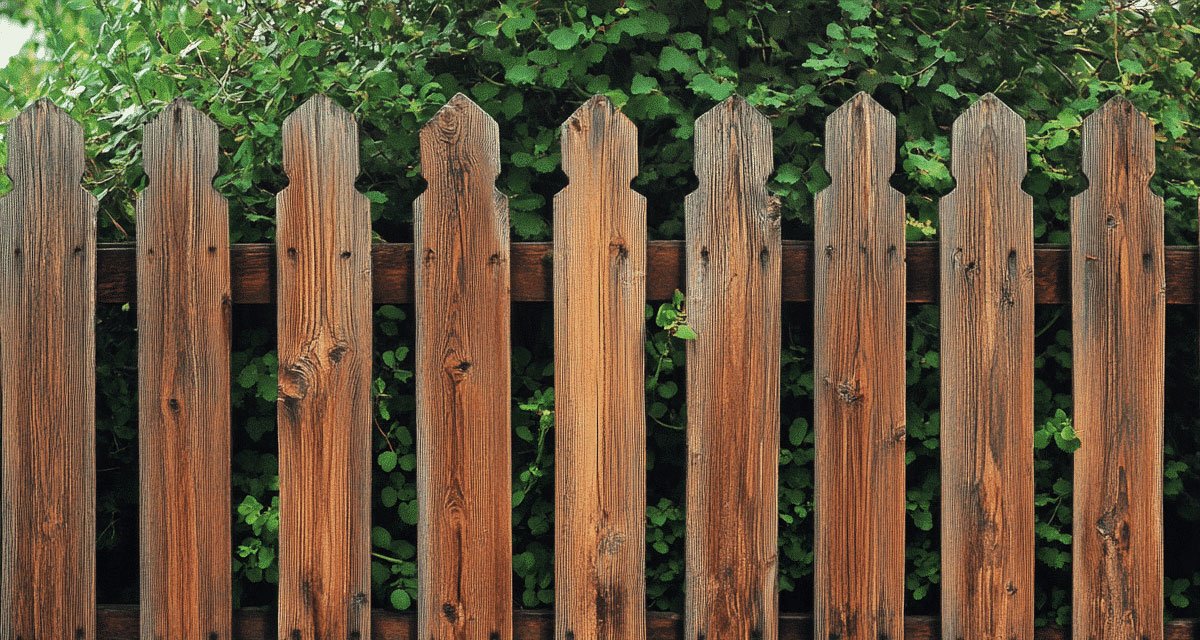
Fence staining costs less per square foot than deck staining because fences are vertical and decks are horizontal. Horizontal surfaces collect water, show every drip and lap mark, and require more careful application. A fence stained from a pump sprayer looks uniform from 10 feet away even if the application was not perfect. A deck stained the same way shows every uneven spray pattern underfoot. The labor rate for fence staining is $0.80 to $2.00 per square foot. The labor rate for deck staining is $1.50 to $3.50 per square foot. The difference is the scrutiny the surface receives.
Fences also require less frequent recoating than decks. A fence is vertical, so water runs off it and UV exposure is less direct than on a horizontal deck surface. A fence stained with an oil-based semi-transparent stain may go 3 to 5 years between coats. A deck in the same climate with the same stain may need recoating every 1 to 3 years. The per-year cost of fence staining is lower than deck staining even though the per-job cost is similar.
Frequently Asked Questions
Is it better to spray or brush fence stain?
Spraying is faster and applies stain to the hard-to-reach gaps between pickets and at the post connections. Back-brushing after spraying works the stain into the wood grain and eliminates drips and runs. The combination of spraying followed by back-brushing is the standard professional method. Brushing alone is slower but uses less stain and produces a more uniform finish on smooth-surfaced fences. For a rough-sawn cedar fence, spraying and back-brushing is the only practical method because a brush alone cannot work stain into the deep grain of rough-sawn wood.
Should I stain one side or both sides of a privacy fence?
Both sides. The un-stained side will weather, gray, and absorb moisture at a different rate than the stained side. The differential expansion can cause the pickets to cup or warp toward the wetter side. Staining both sides equalizes the moisture absorption and reduces warping. If the fence is on a property line and you cannot access the neighbor’s side, ask for permission to stain it. The neighbor benefits from a maintained fence and usually agrees. If access is impossible, staining one side is better than staining neither, but the fence will require more frequent recoating and may warp.
Can I stain a fence that has never been stained and is several years old?
Yes. An older fence that has weathered and grayed must be thoroughly cleaned before staining. Power wash the fence with a deck cleaner or a wood brightener to remove the grayed surface fibers and restore the wood’s natural color. Let the fence dry for 48 hours. Apply the stain. The weathered wood will absorb more stain than new wood and may require more stain per square foot. The result will be darker and more varied in color than staining new wood, which is either a desirable rustic look or a reason to choose a solid color stain that hides the variation.