


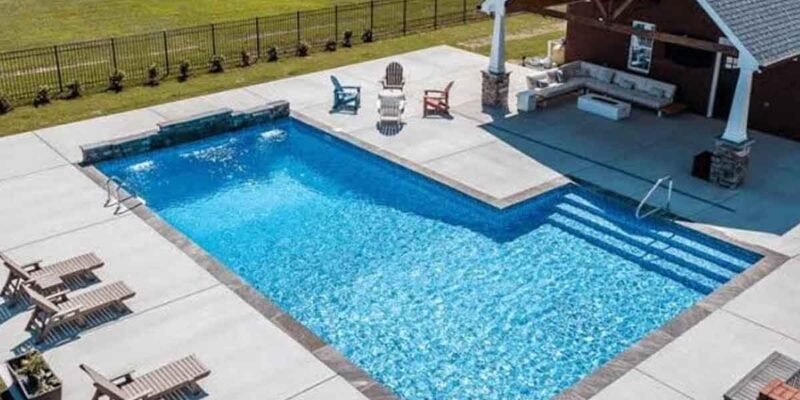
A pool should be a place to relax, but the surrounding space has a major effect on whether it feels inviting or difficult to use. Hot concrete, slippery paths, standing water, crowded furniture, and poor sightlines can make even a beautiful pool area less comfortable. Planning the deck and surrounding features as one connected space helps homeowners and property managers avoid those issues.
For aging concrete decks that need more than routine cleaning, Mid-America Pool Renovation provides complete pool renovation services, including pool deck resurfacing options designed for swimming pool environments. The company works with connected renovation needs such as deck surfaces, coping, tile, and pool transitions, giving it relevant experience for projects in service areas including Kansas City, Denver, Chicago, and Des Moines, where surface condition, traction, slope, and appearance must be considered together.
Why Poolside Planning Matters
Pool decks face constant exposure to sun, water, pool chemicals, rain, bare feet, and heavy traffic. Over time, those conditions can make a surface rough, stained, cracked, or uncomfortable. A thoughtful plan can improve how people move through the area, create better places to rest, and reduce maintenance concerns before they become larger repairs.
Heat deserves special attention. Dark, dense paving can absorb a great deal of sunlight, while lighter and more reflective options may help reduce surface heat. The EPA’s overview of cool pavements explains how pavement choices can reflect more solar energy or otherwise remain cooler than conventional surfaces. For a pool deck, the practical goal is not simply choosing the palest finish available. It is about finding a finish that balances comfort, glare control, traction, durability, and the property’s style.
Start With a Complete Poolside Inspection
Before selecting colors, furniture, or new finishes, walk the entire pool area with a practical eye. Take photos in the morning and afternoon if possible, since sunlight and shadows can reveal different problems throughout the day.
- Look for cracks, flaking, loose material, stains, uneven sections, and rough patches that may catch bare feet.
- Watch how water moves after rain or pool use. Puddles near steps, doors, and seating areas deserve prompt attention.
- Check coping, handrails, drains, lighting, gates, fences, and the route from the house to the pool.
- Notice where guests naturally walk, where children tend to leave toys, and where furniture narrows the path.
- Mark is concerned with a simple sketch so that deck repairs, drainage work, and layout changes can be coordinated.
Choose Materials for Heat, Traction, and Care
Material selection should involve more than a preferred color or an initial price. A poolside finish needs to work when wet, tolerate regular cleaning, and remain comfortable during warm weather. It should also integrate cleanly with existing features, including steps, drains, coping, landscaping borders, and door thresholds.
Photorealistic macro close-up of a textured light-colored pool deck surface with tiny beads of water glistening on the finish, showing detailed wet-surface traction and barefoot-friendly texture, with the blue pool softly blurred in the background and shallow depth of field.
Details That Matter Most
- Texture: Choose enough texture to improve footing without creating an abrasive surface that is unpleasant under bare feet.
- Color: Lighter tones often feel more comfortable in direct sunlight, although overly bright finishes can create glare on the water.
- Drainage: The deck should direct water away from primary walking areas and nearby structures rather than allowing it to collect at low points.
- Maintenance: Confirm that the finish can handle sunlight, moisture, pool chemicals, and the cleaning methods used at the property.
- Transitions: Changes between deck materials, grass, pavers, and stairs should be level, visible, and easy to cross.
Build Safety Into the Layout
Signs and rules have a place, but physical design does more to reduce predictable risks. Keep a clear route around the pool edge, and avoid turning it into overflow storage for loungers, umbrellas, toys, towels, or serving tables. Seating should feel close enough for conversation without obstructing circulation or supervision.
- Use visible edge details and depth markings where appropriate.
- Add handrails at steps and elevation changes where extra support is needed.
- Place rescue equipment where adults can reach it quickly, while protecting it from damage and clutter.
- Use lighting that reduces shadows around steps, gates, walking paths, and changes in deck elevation.
- Keep planters and landscape features trimmed so they do not conceal hazards or reduce visibility.
Review Fencing, Access, and Supervision
Access control is especially important for homes and facilities where children may be present. The CDC’s pool safety guidance recommends four-sided fencing that separates the pool from the house, along with self-closing and self-latching gates. Test gates and latches regularly, remove toys when the pool is closed, and make sure an attentive adult is assigned to supervise children near water.
Add Shade Without Losing Sightlines
Shade improves comfort, but it should be placed strategically. Umbrellas, pergolas, shade sails, trees, and covered seating can make the deck more usable during the hottest parts of the day. Position them over rest areas rather than directly in places that block views across the pool. Consider seasonal sun angles, wind exposure, maintenance access, and the ability to reach the pool quickly in an emergency.
Know When to Repair, Resurface, or Replace
The right solution depends on the base slab, not just the visible finish. Minor wear, shallow cracking, fading, or a rough texture may indicate repair or resurfacing when the concrete beneath is stable. Widespread peeling, porous areas, and repeated patch failures require a closer review of preparation and bonding conditions. Major settlement, substantial movement, deep cracking, or drainage problems below the surface may require replacement or structural work instead.
Plan the Work in the Right Order
- Document safety hazards, drainage concerns, damage, and access issues.
- Correct structural movement and water-management problems before cosmetic upgrades.
- Select the finish, color, texture, shade plan, lighting, and furniture layout.
- Coordinate related work involving plumbing, coping, tile, fencing, or landscape edges.
- Ask how old coatings, debris, moisture, and weak surface material will be addressed during preparation.
- Walk the completed area and verify drainage, transitions, gates, lighting, and clear paths before regular use.
Questions to Ask Before Hiring a Contractor
- What damage can this work correct, and what issues require a different solution?
- How will the underlying surface be evaluated and prepared?
- How will the finished deck direct water away from the pool and structures?
- Which finish options provide suitable traction when wet?
- How will the new surface meet coping, steps, drains, and doors?
- What maintenance and weather-related limitations should be expected?
Conclusion
A safer, cooler poolside area comes from a series of practical decisions made in the right order. Start with the deck condition and drainage, then address traction, access, shade, lighting, fencing, and layout. When appearance supports those basics instead of replacing them, the finished pool area can feel more comfortable, easier to manage, and better prepared for years of regular use.