

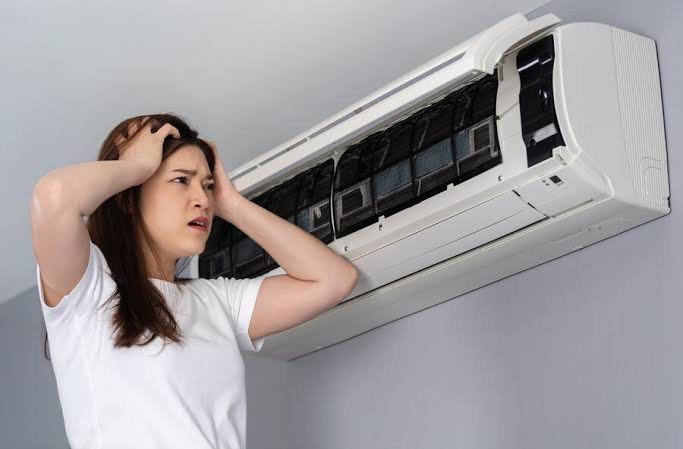
An air conditioner that makes a clicking noise is producing the most common and the most varied sound in HVAC diagnosis. A single click is probably normal. A rapid series of clicks is probably not. A steady tick-tick-tick while the system runs is probably not. A click followed by a hum that stops is definitely not. The clicking sound is generated by electrical components engaging and disengaging, by mechanical parts moving, and by thermal expansion and contraction. The diagnostic task is distinguishing between the click that has been there since the unit was installed, the click that started last week, and the click that means turn the system off and call a technician.
The location of the click matters as much as the timing. A click from the thermostat on the wall is the thermostat relay. A click from the outdoor unit is the contactor engaging. A click from the indoor unit is a relay on the control board. A click from inside the walls, from the ductwork, is thermal expansion. Identify where the sound is coming from before trying to diagnose it. Walk toward the sound. Put your ear near the thermostat, then near the outdoor unit, then near the indoor unit. The click will be loudest at its source.
EPA WaterSense encourages homeowners to pay attention to unusual sounds from their appliances. A clicking noise is often the first sign of an electrical component that is about to fail. Identifying the source early prevents the failure from becoming an emergency.
Contactor Clicks: Normal, Chattering, and Failing
The contactor is the heavy-duty relay in the outdoor unit that connects power to the compressor and the condenser fan. When the thermostat calls for cooling, the contactor coil is energized. A single loud click is the contactor pulling in. When the thermostat is satisfied, the contactor de-energizes with another click. One click at startup and one click at shutdown are normal and have been happening since the unit was installed.
A chattering contactor produces a rapid series of clicks, several per second, like a machine gun. The contactor is trying to engage but cannot hold. The coil is receiving low voltage, the contacts are worn and bouncing, or a safety switch is opening and closing rapidly. A chattering contactor is an electrical emergency. The rapid arcing at the contacts generates extreme heat that can weld the contacts together or start a fire. Turn the AC off at the thermostat. Do not run it until the contactor is replaced. The contactor itself costs $20 to $40. The labor to replace it costs $150 to $250.
The low voltage that causes contactor chattering can come from several sources. A failing thermostat may not be delivering consistent 24-volt power to the contactor coil. A loose wire in the low-voltage circuit may be making intermittent contact. A pressure safety switch may be tripping and resetting, cycling the contactor on and off. A technician can measure the voltage at the contactor coil and trace the problem back to its source. Do not continue to run the AC with a chattering contactor. The damage to the contactor, the compressor, and the wiring increases with every chatter cycle.
TXV Ticking: Normal Operation or Impending Failure
A thermal expansion valve, a TXV, makes a faint ticking or hissing sound as it modulates the flow of refrigerant into the evaporator coil. The internal pin moves in response to changes in temperature and pressure at the sensing bulb. The movement produces a quiet, rhythmic tick. A TXV tick that is quiet, steady, and has been present since the unit was installed is normal.
A TXV tick that has become louder, erratic, or that is accompanied by reduced cooling performance indicates a problem. Debris in the refrigerant may be interfering with the valve’s movement. The valve may be sticking partially open or closed. The sensing bulb may have lost its charge, causing the valve to cycle erratically. A failing TXV should be diagnosed and replaced by a technician. The valve costs $100 to $200. The labor to recover refrigerant, replace the valve, evacuate, and recharge costs $500 to $1,000.
Compressor Overload Click: The Thermal Protector Cycling
A click from the outdoor unit followed by a hum that lasts several seconds and then stops, followed by silence for several minutes, followed by another click and hum, is the compressor trying to start, failing, and tripping its internal thermal overload protector. The click is the overload protector resetting. The hum is the compressor trying to start. The silence is the overload cooling down. The cycle repeats as long as the thermostat is calling for cooling.
This click-hum-silence pattern is almost always caused by a failed start capacitor or a locked compressor. The capacitor provides the electrical boost to start the compressor. When it fails, the compressor draws locked-rotor current, the maximum current it can pull, and trips the overload. The fix is capacitor replacement. Running the compressor in this condition burns out the windings. The capacitor replacement costs $150 to $300. Continuing to let it cycle will turn a capacitor replacement into a compressor replacement, which costs $1,500 to $3,500.
Other Clicking Sources: Thermostat, Ducts, and Debris
A click from the thermostat when the system turns on or off is the thermostat relay. It is normal. A click from the thermostat that occurs without the system starting may be a failing relay, a loose wire, or a thermostat that is failing and needs replacement.
A clicking or ticking from the ductwork that occurs when the system starts or stops is thermal expansion and contraction of the metal ducts. The ducts warm up when warm air flows through them and cool down when the system stops. The metal expands and contracts, producing ticking or popping sounds. The sound is a characteristic of the duct installation, not a problem with the AC. If the sound is loud enough to be annoying, insulating the ducts reduces the temperature swing and the resulting noise.
A clicking from the outdoor unit that is irregular and sounds like something striking the fan blade is debris inside the unit. A stick, a piece of insulation, or a loose wire may be in the path of the condenser fan. Turn off power at the disconnect switch and inspect the inside of the unit with a flashlight. Remove any debris.
Frequently Asked Questions
How do I know if a clicking sound is normal?
A single click when the AC starts and a single click when it stops are normal. These are the contactor engaging and disengaging. A quiet ticking from the indoor unit that has been there since installation is the TXV and is normal. Any clicking that is new, louder than before, rapid, or accompanied by a change in cooling performance is not normal and should be investigated.
Why does my AC click and then nothing happens?
The thermostat or the contactor clicked, but the compressor or the fan did not start. The click is the electrical signal being sent. The lack of response is the component not receiving the signal or not being able to act on it. Check the circuit breaker. Check the disconnect switch at the outdoor unit. If both are on, the contactor may be receiving the signal but the contacts may be burned and not passing current, or the capacitor has failed and the compressor or fan cannot start. A technician can test the contactor and the capacitor.
Why is my indoor unit clicking even when the AC is off?
A relay on the control board may be failing and cycling on its own. The control board receives 24-volt power continuously, even when the thermostat is not calling for cooling. A failing relay on the board can click randomly. A condensate pump with a float switch may click as the float moves. A failing control board or a failing pump should be replaced. The clicking is a warning that the component is about to fail completely.
The Bottom Line
A clicking noise from an AC is either normal, the contactor, the TXV, or the thermostat relay doing their jobs, or it is a warning, a chattering contactor, a cycling compressor overload, a failing control board. The distinction is in the pattern. One click is normal. Rapid clicks are not. A steady tick is probably normal. An erratic tick is not. A click followed by a hum is a failed capacitor. Identify where the click is coming from. Identify the pattern. The click that has been there since day one is part of the unit’s operation. The click that started last week is a component asking to be replaced before it fails completely.