


If you are asking why does my AC freeze up in summer, the short answer is this: the evaporator coil is getting too cold because heat is not moving across it the way it should, explains Ocean Property Management. Most of the time, that points to low airflow, a dirty coil, a blower problem, or low refrigerant from a leak.
The strange part is seeing ice when the house feels hot. The AC keeps running, the vents may feel weak or warm, and then you find frost on the indoor coil, copper refrigerant line, or sometimes near the outdoor unit. Do not keep forcing cooling. That is how a small freeze-up turns into a compressor bill.
Why an AC Can Freeze Even When It Is Hot Outside
An air conditioner freezes in summer when the indoor evaporator coil drops below freezing and moisture in the air turns into ice on the coil. Hot outdoor weather does not prevent this because the freeze happens inside the cooling system, where airflow and refrigerant pressure control coil temperature.
The evaporator coil is supposed to absorb heat from indoor air. Warm return air passes over the coil, refrigerant inside the coil absorbs that heat, and the system sends cooler air back into the rooms. If too little air crosses the coil, the coil loses its heat source. It gets colder and colder until condensation freezes.
The U.S. Department of Energy notes that dirty, clogged filters reduce airflow and can let dirt build up on the evaporator coil, reducing the coil’s heat-absorbing capacity. That is the cleanest explanation for many summer freeze-ups: the system is making cold, but the cold has nowhere useful to go. See the DOE’s air conditioner maintenance guidance.
Humidity makes the ice look dramatic. In a damp house, the coil has plenty of water vapor available, so the frost can grow into a white shell. Sometimes it looks like the inside of a freezer. The house is still warm, which makes the whole thing feel backwards.
What to Do First When Your AC Unit Freezes Up Inside
The safest quick fix is to stop cooling, run the fan if the blower still works, check the filter, and let the ice melt completely before restarting the system. Thawing may restore airflow for a while, but it does not prove the underlying cause is gone.
- Turn cooling off at the thermostat. Set the system to off or cooling off. Do not lower the temperature to “push through” the ice.
- Run fan-only mode if available. Fan mode can move warm indoor air across the coil and speed thawing. If the blower is not running, leave the system off.
- Check the air filter. If it is packed with dust, gray lint, pet hair, or bowed from restriction, replace it.
- Open supply and return vents. Move rugs, curtains, storage boxes, and furniture away from grilles.
- Wait until the ice is gone. This can take several hours. Put towels near the indoor unit if melting water may overflow the pan.
- Restart only after a full thaw. If it freezes again, stop and call a technician.
Here is the annoying part: a melted coil can fool you. The AC may cool for an hour or a day, then freeze again when the same restriction or refrigerant problem returns.
“It won’t solve it but you have to start there or a tech can’t help you. You either have an air flow problem (dirty filter) or it’s low on refrigerant due to a leak. Kick the fan on but leave the cooling off, that will help thaw it faster.”
– r/hvacadvice, August 2025
That line captures the practical order well: thaw first, then diagnose. Ice hides the real readings a technician needs.
The Most Likely Causes, Ranked by What to Check
Most summer AC freeze-ups begin with airflow trouble, not exotic equipment failure. Start with the filter and vents, then think about the blower, dirty evaporator coil, low refrigerant, thermostat behavior, and duct restrictions. Refrigerant work is not a homeowner repair.
1. Dirty Filter or Blocked Return Air
A clogged filter is the first thing to check because it is common, visible, and cheap to fix. ENERGY STAR recommends inspecting, cleaning, or changing central AC, furnace, or heat pump filters once a month during the season, because a dirty filter can raise energy costs and damage equipment. Their checklist is here: ENERGY STAR HVAC maintenance checklist.
Return-air blockage can have the same effect. A couch pushed tight against a return grille, a filter grille packed with lint, or a high-MERV filter the system cannot handle can starve the coil. Airflow before charge. That old HVAC shorthand is rough, but it is useful.
2. Dirty Evaporator Coil
A dirty coil acts like insulation. Dust, pet dander, and cooking residue coat the metal fins, so warm air cannot transfer heat into the refrigerant efficiently. The coil surface gets colder, moisture freezes, and the system begins losing capacity.
Do not scrape at the coil with a brush or screwdriver. The fins bend easily, and some indoor coils are awkward to access without opening the air handler. If the filter was filthy for months, a professional coil cleaning may be the real fix.
3. Low Refrigerant From a Leak
Low refrigerant can drop pressure and temperature in the evaporator coil, making freeze-up more likely. The key detail is that refrigerant does not get “used up” like fuel. If the charge is low, the system probably has a leak or was charged incorrectly.
Trane’s residential frozen-coil guidance lists low airflow, dirty filters, dirty coils, blocked returns, thermostat issues, and refrigerant problems among common frozen-coil causes. It also warns against running a frozen system because it can damage major components.
4. Blower, Thermostat, or Duct Problems
If the blower motor is weak, the capacitor is failing, ducts are collapsed, dampers are closed, or the thermostat is causing odd run cycles, the coil may not get steady heat from return air. Night freeze-ups often show up here because the system runs long while indoor load is lower.
Sometimes the clue is sound. The outdoor unit hums normally, but the indoor airflow feels lazy at the vent. Sometimes the house has one return, one overzealous filter, and a hallway grille trying to pull air through a tiny path. It works until it does not.
Read the Ice Pattern Before You Guess
A frozen AC symptom is not a diagnosis by itself. Ice location, airflow strength, filter condition, and whether the system refreezes after thawing tell you which cause is more likely. Use the pattern, then stop before guessing at refrigerant or electrical repairs.
| What you notice | Most likely direction | What to do next |
|---|---|---|
| Weak airflow plus a dirty filter | Restricted airflow | Replace the filter, open vents, thaw fully, then monitor. |
| Good filter, weak airflow at many vents | Blower, duct, or return-air restriction | Check obvious blocked returns, then call for service if airflow stays weak. |
| Ice returns after a full thaw and clean filter | Dirty coil, refrigerant leak, or mechanical fault | Stop cooling and schedule HVAC diagnosis. |
| Frozen copper line near the outdoor unit | Often starts at the indoor coil and refrigerant circuit | Turn cooling off. Do not assume the outdoor unit is the root cause. |
| Mostly freezes overnight | Long run time, low airflow, thermostat issue, or low refrigerant | Check filter and fan behavior, then call if it repeats. |
The table is not a substitute for gauges, temperature split readings, static pressure checks, or leak detection. It is a way to avoid the two worst homeowner mistakes: running the system frozen and buying refrigerant advice from a guess.
When a Frozen AC Needs a Technician
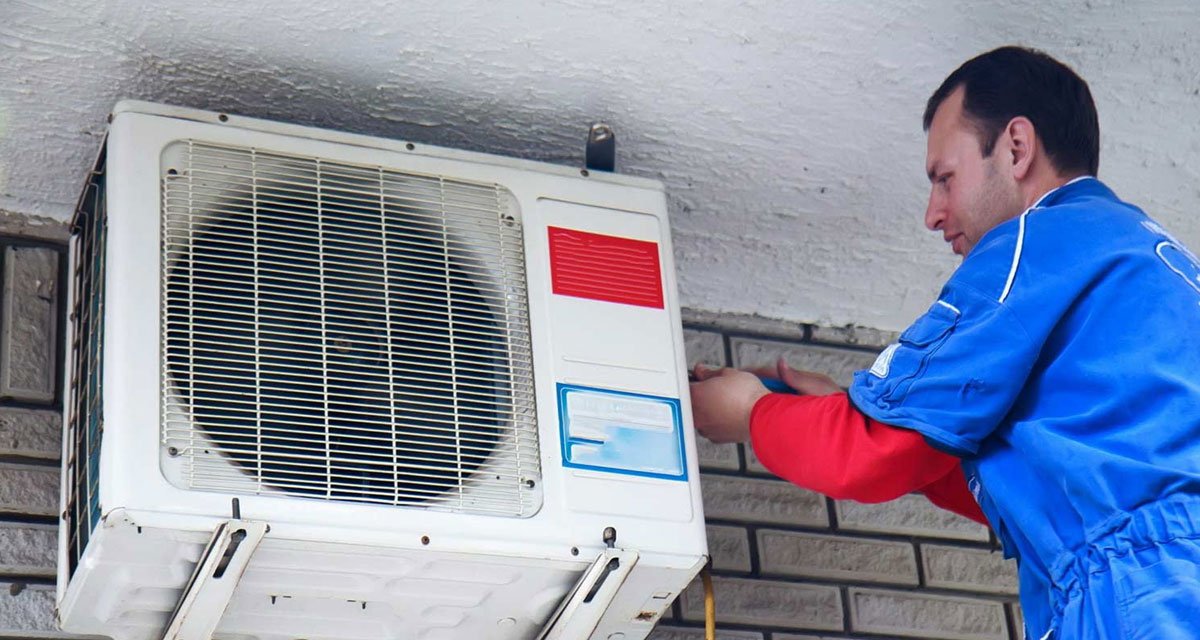
Call an HVAC technician if the AC freezes again after a clean filter and full thaw, if airflow remains weak, if the blower will not run, or if you see ice on refrigerant lines. Repeated freezing usually means the system needs measured diagnosis, not another thermostat adjustment.
A technician can check static pressure, blower performance, coil condition, refrigerant pressures, superheat, subcooling, and leak indicators after the ice is gone. Those readings matter. Static pressure alone or a single pressure number on a frozen system can mislead even experienced people.
Do not add refrigerant yourself. In the United States, refrigerant handling is regulated, and the charge has to match the equipment. More refrigerant is not automatically better. Too much can be as harmful as too little.
Call sooner if water is spilling around the air handler, the breaker trips, the outdoor unit is making harsh electrical noises, or the system is older and already struggling to keep up. A frozen coil during a heat wave is not just uncomfortable; it can become a repair-versus-replace conversation fast.
Keep the Coil From Getting Starved Again
Prevention is mostly boring maintenance done on time: clean filters, clear returns, open supply vents, clean coils, correct refrigerant charge, and steady blower operation. The payoff is real because freeze-ups usually build from restriction and neglect before they become visible ice.
- Check the filter monthly during heavy cooling season.
- Use a filter rating your system can actually move air through.
- Keep return grilles clear and avoid closing many supply vents.
- Trim plants and debris around the outdoor condenser for good heat rejection.
- Schedule maintenance before peak summer if the system has frozen before.
- Watch for slow cooling, longer run times, and weak airflow before ice appears.
A small filter habit beats a midnight thaw session. Seriously.
If the unit is older, undersized, oversized, or attached to poor ductwork, maintenance may reduce freeze-ups without fully solving comfort problems. That is where a good HVAC visit should include airflow and duct discussion, not only refrigerant readings.
FAQ
Will a frozen AC fix itself?
A frozen AC can thaw, but it usually does not fix itself. If the cause was only a clogged filter or blocked return, correcting airflow may solve it. If it freezes again, the system needs service.
How long does it take a frozen AC to thaw?
A frozen AC often takes several hours to thaw, depending on ice thickness, indoor temperature, and whether fan-only mode works. Do not restart cooling until the coil and refrigerant lines are fully free of ice.
Why does my AC keep freezing up at night?
An AC that freezes mostly at night may have low airflow, a dirty coil, low refrigerant, long run cycles, or thermostat behavior that lets the coil get too cold when indoor heat load drops.
What should I do when the outside AC unit freezes up in summer?
Turn cooling off and let the system thaw. In summer, visible ice near the outdoor unit or refrigerant line often traces back to the indoor evaporator coil or refrigerant circuit, so call a technician if it repeats.
Can a dirty filter really make an AC freeze?
Yes. A dirty filter can restrict airflow enough that the evaporator coil stops absorbing heat properly. If you keep wondering why does my AC freeze up in summer after replacing parts, start with airflow before assuming refrigerant.
The Practical Bottom Line
When an AC freezes in summer, shut cooling off, thaw the system, restore airflow, and do not restart a half-frozen coil. If the ice comes back after the filter and vents are clean, the problem has moved beyond a simple homeowner fix. That is the moment to stop guessing.