


Mold can affect the structural integrity of your home or commercial property by weakening materials such as wood and drywall. It also poses a serious health concern, as it has the potential to cause respiratory issues and allergic reactions. Seeking mold remediation services helps you address this problem, and it allows you to protect your investment. Here’s information on how professionals manage mold removal:
Inspect for Mold Damage
A mold remediation team may begin the removal by inspecting the affected areas to identify visible and hidden growth. They rely on specialized equipment, such as infrared cameras, to identify moisture sources that contribute to mold growth. This step helps determine an effective removal plan by assessing the extent of damage and identifying the type of mold present.
Professionals contain the affected area to prevent cross-contamination. This may involve setting up plastic sheeting barriers and negative air pressure machines, which prevent spores from spreading to other parts of the property. Proper containment helps prevent further mold growth, so it’s beneficial to allow professionals to complete this step.
Damage assessment is a key step in the mold removal process. It involves inspecting materials such as walls and furniture for signs of mold damage. If any items cannot be salvaged, they may need to be properly disposed of to prevent further contamination.
In cases of severe mold damage, proper waste disposal becomes an important part of the remediation process. Contaminated drywall, insulation, carpeting, and other unsalvageable materials must be removed safely to protect both the property and its occupants. Partnering with reliable waste management providers can make post-remediation cleanup more efficient. Services such as Waste Removal USA can help homeowners and businesses handle debris removal responsibly during restoration projects.
Contain Affected Areas
During remediation, the professional team helps prevent mold spores from spreading into unaffected parts of the property. Containment barriers are useful in this process; they help prevent the spread of mold spores to clean areas. You may also expect negative air pressure to keep spores from escaping the containment area.
Once containment is set up, it’s time for work zone isolation. This may involve sealing off the affected area from the rest of the property to prevent cross-contamination. Some remediation teams use plastic sheeting and duct tape to seal doorways and windows. Barriers and controlled work zones help isolate contaminated materials while cleanup takes place.
Clean and Apply Antimicrobial Treatments
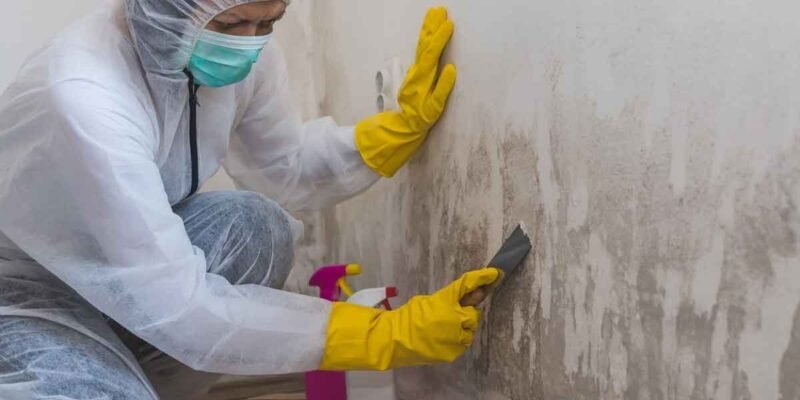
In the event of mold growth, the remediation team applies antimicrobial treatments to prevent future growth. These treatments may come in liquid or aerosol forms, and they are designed to eliminate any remaining mold spores. Remediation teams also clean the surfaces and contents remaining in the affected area. This may include:
- Floors
- Walls
- Ceilings
- Furniture
- Curtains
- Decorative items
Structural cleaning involves using specialized equipment to remove mold and other contaminants; the team also disinfects all surfaces to eliminate harmful bacteria and prevent future health hazards. Surface cleaning removes remaining spores and mold particles that may still be present. Once all cleaning and disinfection is complete, the team is able to conduct a final inspection, which helps verify safety for occupancy. Some materials, such as drywall and carpeting, may need to be removed if the damage is extensive.
Restore Damaged Areas
One benefit of hiring a professional remediation team is that they have the tools to assess and repair damaged areas properly. This can include repainting walls and addressing structural damage. Professionals also test for hidden moisture; this step helps prevent future mold growth. Completing the remediation process may involve painting, replacing drywall, and installing new carpet in a home or office before it is ready for safe occupancy.
Schedule Professional Mold Removal
Professional mold removal addresses contamination through inspection, containment, cleaning, and property restoration. Each stage helps remove mold while supporting a safer indoor environment for your home or business. Experienced remediation teams also identify moisture sources that contribute to recurring mold growth, and they can apply antifungal treatments to eliminate colonies. Contact a professional remediation company today to schedule a thorough mold inspection and removal service.