

Diagnosing System Faults
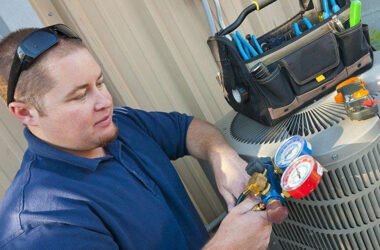
An HVAC repair may begin with a detailed system diagnosis to identify the source of the problem. Sometimes your heating and cooling system fails to perform as expected due to electrical, mechanical, or refrigerant issues. Working with a technician allows you to resolve the issue and continue using your equipment without causing further damage. The diagnosis helps the technician determine which specific parts need to be repaired or replaced.
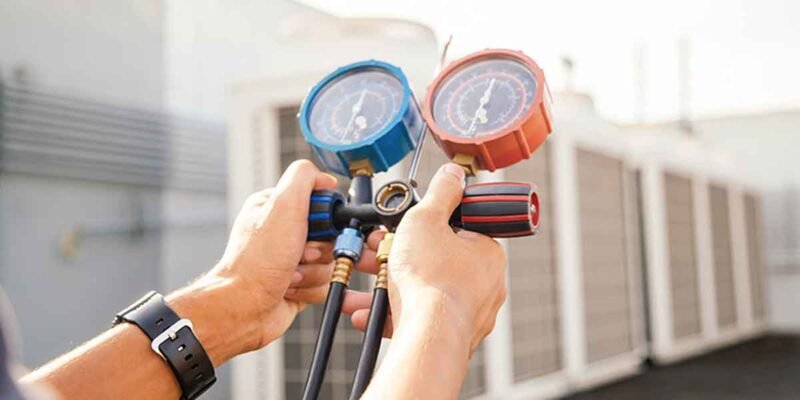
Once they have identified the faulty components, the technician can begin the repair process. This involves replacing parts, cleaning components, or performing a full-system overhaul. The goal is to restore your HVAC system to optimal performance; this provides efficient heating and cooling for your space. With advanced diagnostic tools, such as thermal imaging cameras, your technician can identify system faults. Leak detection and system performance testing help identify issues such as refrigerant leaks and faulty motors.
Some HVAC issues develop behind walls, inside ductwork, or within sealed system components. Diagnostic equipment helps technicians locate airflow restrictions and mechanical problems before repairs are completed. Once you know the full extent of your HVAC system’s issues, you’re able to make informed decisions about repair or replacement.
Repairing Cooling Systems
If you notice reduced indoor comfort, it could be a sign of a failing cooling system. During HVAC repair, your technician inspects and repairs the components of your cooling system to support proper function. The technician replaces filters, cleans coils, and checks refrigerant levels. A technician can also install a new air conditioner or heat pump when replacement is needed; this keeps your home cool during warmer weather. Thermostat repairs and airflow corrections also help address cooling problems, keeping you comfortable.
Repairing Heating Systems
If your furnace or heat pump isn’t working properly, it can lead to uncomfortable indoor temperatures. The moment you suspect a problem with your heating system, check for obstructions to airflow. Some causes of heating system issues include blocked vents and faulty thermostats. A technician can identify and resolve these issues to make sure your home stays warm during the colder months. Airflow testing and furnace repairs may be provided to verify your heating system is functioning efficiently. Check your heating system before the colder seasons arrive to confirm it is in good working condition.
One sign of a failing heating system is uneven heating throughout your home; a properly functioning heating system should evenly distribute heat to all rooms. Poor insulation may cause heat loss, and it sometimes makes your heating system work harder. Check your home’s insulation to keep warm air inside during the winter months. A faulty thermostat can also cause your heating system to run longer than necessary or shut off too soon. Confirm that your thermostat is set to the correct temperature and is functioning properly. If you notice any issues, such as inaccurate temperature readings or unresponsiveness, ask a technician about replacing your thermostat.
Learn More About HVAC Repair
Understanding what is included in an HVAC repair helps you prepare for the diagnosis, repair process, and system testing. Professional repairs support reliable heating and cooling while addressing issues before they affect other components. A qualified technician explains repair findings, such as air leaks, and they recommend solutions based on your system’s condition. Contact a reliable HVAC company today to schedule a professional repair service for your home.