



Many homeowners notice small, sand-like particles collecting in their gutters or at the bottom of downspouts after heavy rain. These particles are roofing granules, and while seeing a few is perfectly normal, excessive granule loss can indicate that a roof is aging or experiencing unusual stress. Understanding why granules come loose helps homeowners distinguish between normal wear and signs that deserve professional attention.
Roofing granules are far more than a decorative finish. They form the outer protective layer that shields asphalt shingles from ultraviolet radiation, weather exposure, and physical wear caused by wind-driven debris. As this protective layer gradually changes over the years, the performance of the entire roofing system can also change.
Learning what influences granule loss allows homeowners to make better maintenance decisions and avoid unnecessary concern. In many cases, routine inspections and timely repairs can slow the progression of damage before it affects the structural components beneath the shingles.
What Roofing Granules Actually Do
Granules are manufactured from crushed stone coated with ceramic pigments and bonded to asphalt shingles during production. Their rough texture protects the asphalt beneath from direct sunlight while helping shingles resist gradual weathering. Without this protective surface, asphalt materials would deteriorate much faster under constant exposure.
The granules also improve fire resistance and provide additional protection against minor impacts from hail, falling twigs, and wind-blown debris. Although they appear simple, they perform several important functions simultaneously throughout the life of a roof.
Color stability is another advantage. Ceramic-coated granules help shingles maintain their appearance for many years despite continuous exposure to sunlight, rain, and changing temperatures.
Why Some Granule Loss Is Completely Normal
New roofs often shed loose granules during the first few months after installation. These particles were not permanently embedded during manufacturing and usually wash away naturally with rainfall. Finding a small amount in gutters shortly after a roof replacement rarely indicates a problem.
As roofs age, gradual granule loss also becomes part of the normal aging process. Years of expanding and contracting under changing temperatures slowly weaken the bond between granules and the asphalt surface. This happens gradually rather than all at once.
The key difference lies in the amount being lost. Heavy accumulation in gutters or noticeably bare shingle patches suggests that a closer inspection may be necessary.
Environmental Factors That Accelerate Wear
Sunlight remains one of the biggest contributors to granule deterioration. Constant ultraviolet exposure slowly breaks down asphalt binders, reducing their ability to hold protective granules securely. Roofs receiving direct sunlight throughout the day often experience faster surface aging.
High winds create additional stress by lifting shingle edges and carrying abrasive particles across the roofing surface. Repeated wind events gradually loosen granules, particularly around roof ridges, valleys, and exposed edges.
Rain itself rarely removes healthy granules. Instead, water simply carries away particles that have already become detached because of aging or environmental exposure.
How Installation Quality Affects Granule Retention
Even premium shingles depend on proper installation to achieve their expected lifespan. Incorrect fastening, poor attic ventilation, or inadequate roof deck preparation can increase stress on roofing materials and contribute to premature wear.
Improper ventilation deserves particular attention because excessive attic heat accelerates asphalt aging from below. Higher temperatures cause roofing materials to expand more frequently, gradually weakening the bond that holds granules in place.
Working with an experienced Roofing Company in Eugene, OR provides homeowners with valuable insight into whether granule loss reflects normal aging or points to underlying installation or ventilation concerns. Professional evaluations consider the entire roofing system rather than focusing only on visible shingle surfaces.
Warning Signs Beyond Granules in the Gutters
Granule loss often appears alongside other indicators of roof aging. Curled shingle edges, cracked surfaces, uneven coloration, and exposed asphalt areas may all suggest that roofing materials are approaching the end of their useful service life.
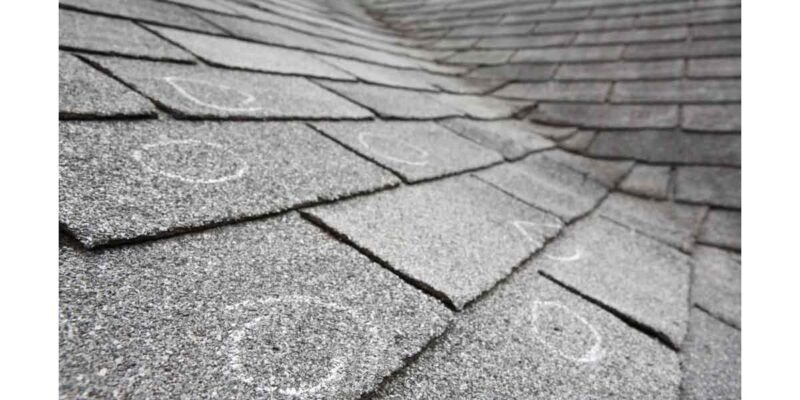
Homeowners should also watch for isolated bald spots where large concentrations of granules have disappeared. These exposed sections become more vulnerable to sunlight and weather, allowing deterioration to accelerate.
Interior warning signs may eventually develop if aging shingles begin allowing moisture beneath the roofing surface. Ceiling stains, attic dampness, or musty odors should always receive prompt professional evaluation.
Maintenance Practices That Help Preserve Roofing Materials
Routine roof inspections help identify developing problems before widespread granule loss occurs. Seasonal maintenance allows damaged shingles to be replaced individually while surrounding materials remain in good condition. Preventive care often extends the overall lifespan of the roof.
Keeping gutters clean supports effective drainage and allows homeowners to monitor changing granule accumulation over time. Sudden increases in collected granules may indicate that additional inspection is worthwhile.
Multi Contracting recommends combining regular maintenance with attic evaluations because ventilation and moisture conditions directly influence the long-term health of asphalt shingles. Looking beyond the roof surface often reveals opportunities to improve performance.
When Replacement Becomes the Better Long-Term Decision
Every roof eventually reaches a point where repairs provide only temporary benefits. Widespread granule loss across multiple roof sections usually signals that the protective outer layer has significantly deteriorated. Continuing to repair isolated areas may become less practical than planning for replacement.
Age should always be considered alongside visible conditions. A roof nearing the end of its expected service life may continue functioning for a while, but increasing maintenance costs often indicate declining reliability.
Multi Contracting evaluates roofing systems as complete assemblies rather than focusing on a single symptom. This broader approach helps homeowners understand whether maintenance, targeted repairs, or replacement offers the greatest long-term value.
Understanding the Bigger Picture of Roof Performance
Granule loss represents one visible part of a much larger roofing story. Weather, ventilation, installation quality, maintenance history, and material age all influence how quickly shingles change over time. Looking at only one factor can lead to inaccurate conclusions.
Homeowners benefit from viewing their roofs as systems designed to work together instead of isolated materials performing separate functions. Shingles, flashing, underlayment, ventilation, and drainage all contribute to long-term protection against moisture and weather exposure.
Multi Contracting encourages homeowners to respond thoughtfully rather than react immediately when granules appear in gutters. Professional inspections, regular maintenance, and informed decision-making provide the best path toward preserving roofing performance and protecting a home’s structure for many years to come.