

The average emergency HVAC call in the dead of winter runs between $400 and $800, and that’s before the cost of a single replacement part. A blower motor failure, a frozen condensate line, or a furnace that simply refuses to light on a 10-degree night turns a bad situation into an expensive one fast, notes MVP Property Management professionals.
The difference between a controlled, routine furnace tune-up and a panicked, after-hours service call is about three hours of preventative work done in October.
That’s what this checklist is for. It covers the full scope of an HVAC maintenance checklist before winter, from critical safety steps to system-specific checks for gas furnaces, heat pumps, and boilers. You’ll walk through condensate drain cleaning, heat pump defrost cycle testing, and programmable thermostat settings that actually save money. There’s also a winter emergency kit section for the moments when despite all the prep, something still goes wrong.
1. Safety First: Critical Steps Before You Touch Anything
Most winter HVAC emergencies start with a homeowner skipping the basics. Before you swap a filter or poke at the pilot light, stop. The single most important step in any HVAC maintenance checklist before winter is making sure you don’t electrocute yourself, flood your basement, or fill your house with carbon monoxide. Here’s what to do first.
Power Down & Gas Shut-Off
Flip the breaker to your furnace or heat pump to the “off” position before you remove any panel. For gas systems, locate the shut-off valve — it’s usually a bright red or yellow lever on the gas line near the unit. Turn it perpendicular to the pipe to stop gas flow. What many homeowners don’t realize: even with the thermostat set to “off,” the unit can still have live voltage at the control board. A furnace tune-up starts with zero power, not just a flipped switch on the wall.
Test Carbon Monoxide & Smoke Detectors
Carbon monoxide risk spikes in winter because windows stay closed and furnaces run for months straight. Replace batteries in every detector near bedrooms and the furnace room. Test each unit by holding the “test” button until the alarm sounds. The National Fire Protection Association recommends replacing CO detectors every 5–7 years : check the manufacture date on the back. If you don’t have a detector within 15 feet of the furnace room, that’s a problem worth fixing today.
Watch for Gas Leaks & Frozen Pipes
Before you turn the system on for the first time, walk the perimeter. Smell for rotten eggs : that’s the sulfur additive in natural gas. If you catch even a faint whiff, don’t flip any switches. Leave the house, call your gas company from outside. Also inspect any exposed pipes in the basement or crawlspace for frost or bulging. A frozen pipe can burst within hours once the furnace kicks on and warms the surrounding air. Oddly enough, the most common place for this to happen is the condensate drain line : if it freezes, the safety switch shuts the whole system down. That’s why condensate drain cleaning belongs on your fall checklist, not after the first freeze.
2. The Core Checklist: 5 Essential Tasks for Every System
No matter if you own a gas furnace, a heat pump, or a boiler, these five tasks apply to every forced-air or hydronic system. Skip one, and you risk a breakdown when temperatures drop below freezing. According to the U.S. Department of Energy (2024), a neglected air filter alone can increase energy consumption by 5% to 15% : and it’s the single most common cause of winter service calls.
Replace or Clean Air Filters
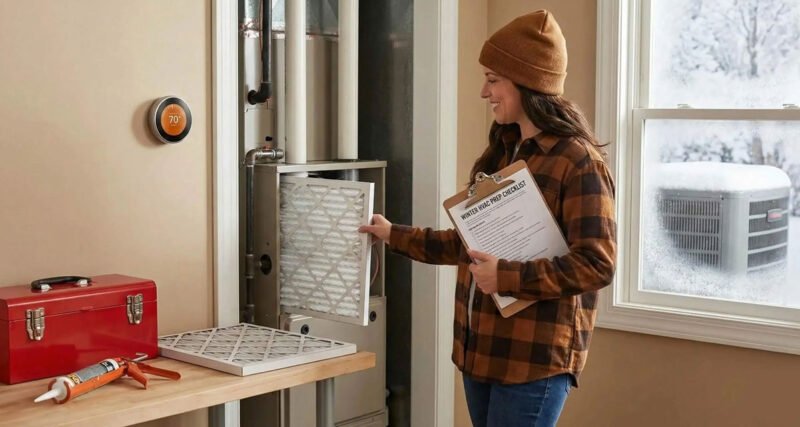
Use a MERV 8–11 filter. That’s the sweet spot: it catches pollen, dust, and mold spores without restricting airflow like a high-MERV 13 filter can. Change it monthly during peak heating season. A dirty filter forces the blower motor to work harder, and it’s the #1 cause of winter breakdowns. Set a recurring calendar reminder , the first of every month works.
Inspect & Seal Ducts and Vents
Walk through every room. Are vents blocked by furniture, rugs, or curtains? Move them. Then check for duct leaks in the basement or attic. Use mastic tape , not standard duct tape, which degrades in heat , to seal gaps. The Department of Energy estimates that the average home loses 20% to 30% of heated air through duct leaks. That’s money blowing into your crawlspace.
Test the Thermostat
Switch the system to “Heat” mode. Crank it up 5 degrees above room temperature. Does the system fire up within a few minutes? If not, you’ve got a problem. Set a programmable schedule: 68°F when you’re home, 62°F when asleep or away. Every degree you lower the thermostat saves roughly 1% on your heating bill, per the Department of Energy. Verify the thermostat’s accuracy with a separate thermometer placed nearby.
Clear the Outdoor Unit (if applicable)
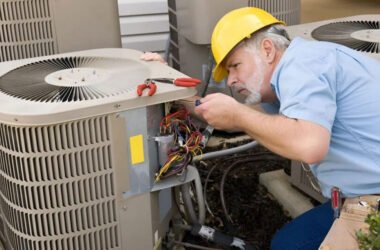
For heat pump and central AC owners: remove leaves, twigs, and debris from the outdoor unit. Trim back any vegetation within 2 feet. Do not cover the unit. Many homeowners think a cover protects it from snow, but it actually traps moisture and restricts airflow needed for the heat pump defrost cycle. The unit needs to breathe to clear ice buildup.
If snow accumulates, brush it off gently , don’t use a shovel that could damage the fins.
Clean Condensate Drain Lines
Pour 1 cup of white vinegar down the condensate drain line. Do this once before winter starts. Algae and mold love the dark, moist environment inside the drain line. A clogged line triggers a safety float switch that shuts down your furnace , often at 2 a.m. during a cold snap. If you have a heat pump, the drain line handles summer and winter condensation, so it’s doubly important.
A simple preventive pour costs $0.50. An emergency service call for a clogged drain runs $150 to $300.
“Do people actually do annual maintenance on HVAC/heaters? If so, when should I do it?”
— r/homeowners, 132 upvotes, 219 comments (2025), source
3. Heating System Deep-Dive: Gas Furnace, Heat Pump & Boiler
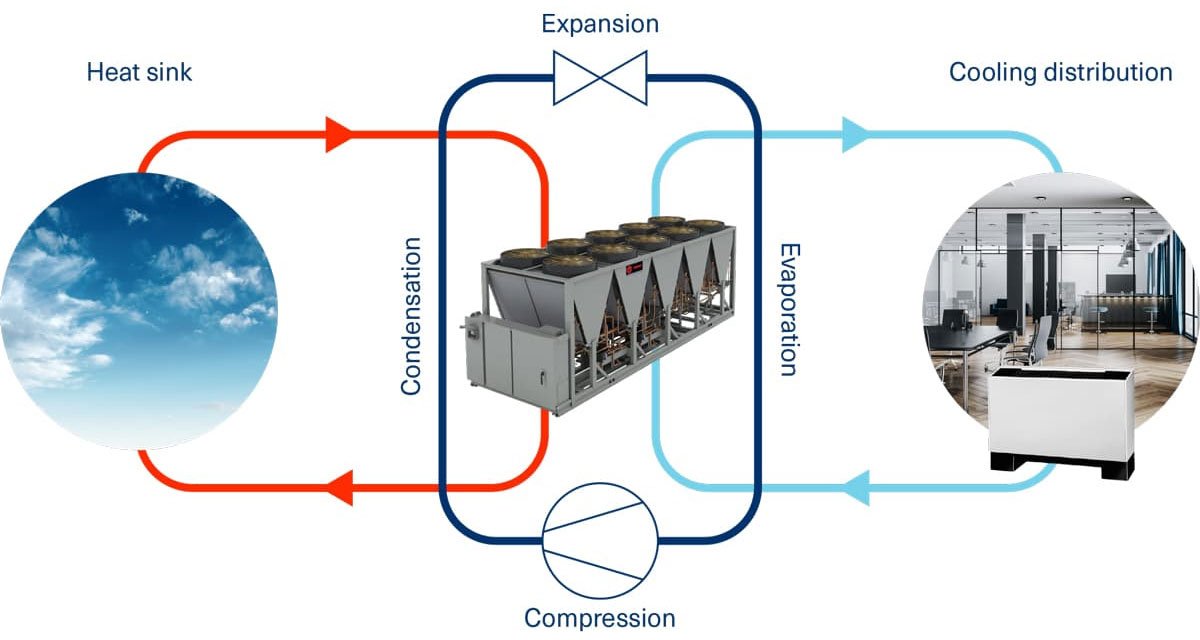
A one-size-fits-all checklist fails here. A gas furnace, heat pump, and boiler each have unique failure points that catch homeowners off guard. Skip the generic advice , focus on what your specific system actually needs.
Gas Furnace: Pilot Light, Flame Sensor & Ignitor
Start with the pilot light. A healthy flame burns blue and steady. Yellow or flickering flames signal incomplete combustion , that means carbon monoxide risk. Turn the gas valve off and call a pro immediately if you see orange tips or soot buildup.
Next, the flame sensor. This thin metal rod sits near the burner. Over a season, it accumulates a carbon coating that tricks the system into thinking no flame exists. Your furnace will fire up, then shut down after a few seconds , a classic symptom. Clean it gently with fine-grit sandpaper or a dollar bill. Do not use anything abrasive.
Check the ignitor for hairline cracks. These are brittle ceramic components; even a small fracture causes failure mid-winter. Listen for banging or rattling when the burner ignites. That sound often means delayed ignition, which can crack the heat exchanger , a $1,500+ repair. According to the U.S. Consumer Product Safety Commission (2023), heat exchanger cracks are a leading cause of residential carbon monoxide leaks.
Heat Pump: Defrost Cycle & Backup Heat
Heat pumps lose efficiency in cold weather, but a stuck defrost cycle is a total breakdown risk. Manually test it: switch your thermostat to emergency heat for 5 minutes, then back to normal heat. The outdoor unit should run a defrost cycle within 30 minutes if frost is present. If the coil ices over completely, the defrost control board or sensor has failed.
Ensure the auxiliary (backup) heat engages. Set the thermostat 5°F above room temperature. You should feel warm air from the vents within 2 minutes. If the air stays cool, the heat strips or relay are faulty , a common issue that leaves homeowners freezing during cold snaps.
Clear snow and debris from the outdoor unit regularly. Do not cover the unit. Many homeowners mistakenly think a cover protects it, but the unit needs airflow for the defrost cycle to work. A covered unit traps moisture and promotes ice buildup.
Boiler (Hydronic): Pressure, Bleeding & Expansion Tank
Check the pressure gauge when the system is cold. It should read between 12 and 15 psi. Below 12 psi means the system has lost water , air enters and causes noisy operation or uneven heating. Above 20 psi risks a pressure relief valve discharge, which can flood your basement.
Bleed each radiator starting from the lowest floor. Use a radiator key to open the valve slightly until water runs steady (no sputtering air). Trapped air reduces heating efficiency by up to 15% according to field data from the Building Performance Institute. One thing many homeowners miss: bleeding also prevents the gurgling sounds that keep you awake at night.
Inspect the expansion tank. It should feel cool at the bottom and warm at the top. If it’s hot all over, the internal bladder has failed , the tank is waterlogged and can’t absorb pressure changes. Replace it before the safety valve blows.
4. Winter Emergency Kit & Cost Comparison (Differentiation Module)
Most homeowners don’t think about an HVAC emergency until the furnace dies at 2 a.m. during a polar vortex. By then, you’re paying emergency rates , or freezing. The real question isn’t whether you can afford a tune-up. It’s whether you can afford not to know the difference between a $20 DIY fix and an $800 emergency call.
DIY vs. Pro Cost Comparison Table
| Task | DIY Cost | Professional Cost | Notes |
|---|---|---|---|
| Filter replacement | $10–$30 | $50–$100 | Pro often includes inspection upcharge |
| Full furnace tune-up | $0 (your labor) | $150–$300 | Includes safety check, flame sensor cleaning, heat exchanger inspection |
| Emergency after-hours call | $0 | $400–$800 | Overtime + trip charge + parts markup |
| Condensate drain cleaning | $2 (vinegar) | $75–$150 | Algae clogs cause water damage and system shutdown |
What many homeowners don’t realize: a professional furnace tune-up catches issues before they become emergencies. The National Fire Protection Association reports that heating equipment is the second-leading cause of home fires , and lack of maintenance is a primary factor. That $150 inspection looks cheap compared to a $400 deductible on a fire claim.
Your Winter HVAC Emergency Kit
Every cold-climate home needs a breakdown kit. Stock these items before December hits:
- Extra air filter (MERV 8–11, correct size) , a dirty filter is the #1 cause of winter shutdowns
- Safe space heater (auto shut-off, tip-over protection, UL-certified) , backup heat while you wait for service
- Pipe insulation tape , for exposed pipes near the furnace or in crawl spaces
- Carbon monoxide alarm with fresh batteries , CO risk spikes during furnace operation
- Emergency HVAC contractor list , call 3-4 companies now to confirm they service your area and ask about after-hours rates
On r/HVAC, a community where licensed technicians share field experience, one contractor posted a thread compiling their preventative maintenance checklist for residential systems.
“Preventative Maintenance Checklist”
— r/HVAC, 3 upvotes, 10 comments (2018), source
5. Monthly Maintenance Calendar: September Through December
Most homeowners wait until the first freeze to think about their furnace. That’s a mistake. By then, every HVAC technician within 50 miles is already booked solid. A staggered monthly plan spreads the work across four months and catches problems before they become emergencies. Here is exactly what to do, month by month.
September , Schedule Professional Inspection, Replace Filters, Test CO Detectors
Book your annual furnace tune-up now, not in November. Most reputable contractors offer discounts for early-season appointments, and you’ll have your pick of time slots. Replace your air filter with a MERV 8–11 unit. Test every carbon monoxide detector in the house , replace batteries if the detector is more than five years old. The National Fire Protection Association (2024) reports that CO incidents spike 40% between November and February, making this step non-negotiable.
October , Seal Duct Leaks, Bleed Radiators (If Boiler), Clear Outdoor Unit Debris
Walk through your basement or crawlspace with a flashlight. Seal any visible duct gaps with mastic tape , not duct tape, which dries out and fails within a year. For boiler systems, bleed each radiator until water runs steady and free of air bubbles. Outside, clear leaves, twigs, and dirt from around the heat pump or AC unit. Do not cover the outdoor unit; it needs airflow to run its defrost cycle properly.
November , Install Programmable Thermostat Settings, Check Condensate Drain, Stock Emergency Kit
Set your thermostat schedule now before the real cold hits: 68°F when home, 62°F when asleep or away. Every degree lower saves roughly 1% on your heating bill, per the U.S. Department of Energy. Pour one cup of white vinegar down the condensate drain line to prevent algae clogs , a blocked drain can trigger a safety shutdown mid-January. Stock your winter emergency kit with an extra filter, a safe space heater, pipe insulation tape, and a list of three emergency HVAC contractors.
December , Monitor Filter Monthly, Clear Snow from Outdoor Unit, Listen for Unusual Noises
Check your filter every 30 days during peak use. A dirty filter is the single most common cause of frozen coils and short-cycling. After every snowfall, clear accumulated snow from around the outdoor unit , keep at least 18 inches clear on all sides. Listen for banging, rattling, or screeching sounds from the furnace or heat pump. Those noises often signal a failing inducer motor or blower bearing, and catching them early can turn a $200 repair into a $1,200 replacement.
Frequently Asked Questions
How do I winterize my HVAC system?
Start by replacing the air filter with a MERV 8–11 rated option, then switch the thermostat to heat mode and set a programmable schedule. Clear debris from outdoor units, pour one cup of vinegar through the condensate drain line, and seal any visible duct leaks with mastic tape. Test carbon monoxide detectors before the first cold night.
What is the most important HVAC maintenance before winter?
Changing the air filter ranks first. A clogged filter restricts airflow, forces the blower motor to work harder, and is the leading cause of emergency service calls in December. Dirty filters also lower efficiency by roughly 15 percent, according to the U.S. Department of Energy (2024). Replace it monthly during peak heating season.
Should I cover my outdoor AC unit in winter?
No. Covering the unit traps moisture, invites rust, and creates a nesting spot for rodents. Heat pumps need unobstructed airflow to run their defrost cycle. If you want to protect the top from falling icicles, use a small plywood board elevated on bricks , never a sealed tarp or plastic wrap.
How often should I change my furnace filter before winter?
Check it monthly starting in October. If you use a 1-inch disposable fiberglass filter, replace it every 30 days. Pleated filters with MERV 8–11 ratings can last 60 to 90 days, but inspect them every three weeks during heavy use. A filter that looks gray or clogged when held up to light needs swapping immediately.
What temperature should I set my thermostat in winter to save money?
Set the thermostat to 68°F when you are awake and home, and 62°F while asleep or away. Each degree lower for an eight-hour period cuts heating costs by roughly 1 percent, per Energy Star guidelines. Programmable thermostats handle this schedule automatically , just verify the battery and time settings before November.
“Am I being overcharged? HVAC routine maintenance”
— r/hvacadvice, 6 upvotes, 35 comments (2026), source
Short answer: yes, and September or early October is the ideal window. Scheduling a furnace tune-up before temperatures drop gives technicians time to catch worn ignitors, cracked heat exchangers, or failing capacitors before a cold snap turns a repair into an emergency.
Conclusion: Lock In Your Prep Before the First Freeze
The Three Things That Actually Matter
If you forget everything else, remember these three priorities. First, safety over speed. Shut off power at the breaker before any inspection. Test your carbon monoxide detectors , the CDC reports that over 400 Americans die annually from accidental CO poisoning, with the highest risk between November and February. Second, tackle system-specific checks. A gas furnace needs a clean flame sensor and blue pilot light.
A heat pump needs its defrost cycle verified and the outdoor unit clear of debris. Third, build an emergency plan. Know your backup heat source, stash a spare filter and a space heater (with auto-shutoff), and have a contractor’s number saved before the 2 a.m. breakdown.
Schedule Now or Pay Later
A professional furnace tune-up runs $150–$300. An emergency after-hours call in January? $400–$800, minimum, and that’s before parts. The math is simple. Book your inspection now, while slots are open. Print this checklist, work through it room by room, and set a calendar reminder to swap your filter monthly. One afternoon of prep today beats a frozen house and a four-figure repair bill in February.
“What kind of HVAC maintenance do I need and what questions do I ask?”
— r/homeowners, 8 upvotes, 12 comments (2026), source
The answer is yes , and the time is now. Your HVAC system doesn’t care about your holiday schedule. It will fail on the coldest night of the year if you ignore it. Don’t let that be you.