


According to Service Star Property Management team, bad roof shingles usually show up as patterns: curled tabs, exposed dark asphalt, missing pieces, or leaks that repeat after rain. The practical answer is to compare the roof surface, the gutters, the attic, and recent weather instead of trusting one odd mark.
One cracked shingle is usually a repair. A roof slope full of curling, bald, brittle, or loose shingles is a warning that the roof covering may be near the end of its useful life.
How to Tell if Roof Shingles Are Bad: Look for Patterns, Not One Flaw
Roof shingles are probably bad when damage appears across a whole slope, exposes the dark asphalt mat, lets water into the attic, or follows a storm with missing or lifted tabs. Small isolated marks matter less than repeated damage in the same direction, valley, eave, or sun-exposed section.
Start from the ground with binoculars or a phone camera zoom. Do not walk on the roof just to inspect shingles, because older asphalt tabs can crack under foot pressure and steep roofs are not forgiving.
- Watch: light granules in gutters on a newer roof, a few scuffed shingles, mild color variation, or algae stains with no leaks.
- Repair soon: missing shingles, cracked tabs, lifted edges, damaged flashing areas, or isolated bare patches.
- Call a roofer: widespread curling, soft decking, interior water stains, daylight in the attic, or shingles shedding granules heavily across multiple slopes.
- Document after storms: circular granule loss, bruised-looking impact marks, torn tabs, or shingles lifted in the same wind direction.
Bad shingles rarely keep the problem politely on the outside. If the attic is dry and the surface damage is limited, you may be budgeting rather than panicking.
What Bad Roof Shingles Look Like From the Ground
From the ground, bad shingles usually look uneven, lifted, bald, cracked, or missing. A healthy asphalt shingle roof should lie mostly flat, shed water in clean overlapping rows, and still have enough mineral granules to protect the asphalt from sun exposure.
Morning or late afternoon light helps. Low-angle light casts shadows under curled edges, raised nail pops, and buckled tabs that are harder to see at noon.
Curling, Cupping, and Clawing
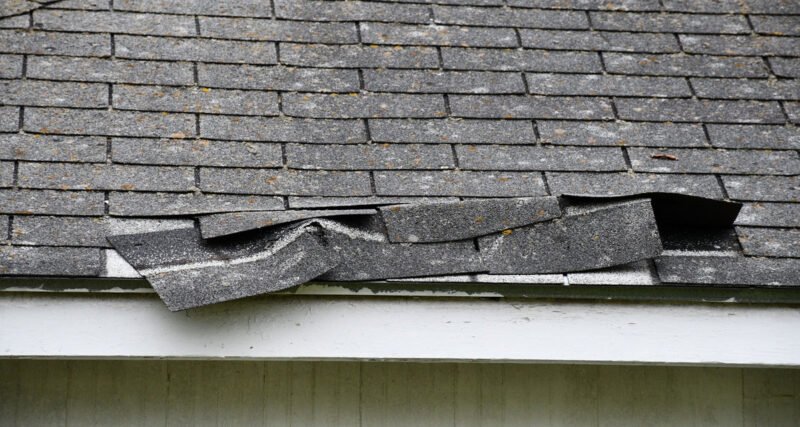
Curling shingles have edges or corners that lift away from the roof deck. Cupping means the edges turn upward, while clawing often means the middle of the tab lifts or arches as the shingle dries and ages.
One curled tab near a vent or tree branch may be local damage. Curling across a whole south-facing slope, especially on an older roof, points toward aging, heat exposure, poor ventilation, or weakened seal strips.
The Insurance Institute for Business & Home Safety notes that asphalt shingles can unseal and curl over time as the self-sealing strip loses its grip on the tab below. That matters because lifted edges invite wind-driven rain and can make the next storm much harder on the roof.
Granule Loss and Bald Spots
Granules are the sand-like mineral surface on asphalt shingles. They protect the asphalt from ultraviolet light, add fire resistance, and give the roof its color and texture.
A little granule shedding is normal, especially on a newer roof where loose manufacturing granules wash into gutters. Heavy granules in downspouts, bare dark patches, or visible fiberglass-like mat are different.
IBHS describes normal early shedding as extra granules sometimes called hitchhikers, but its roof-aging research also shows some shingles continue losing granules until underlying asphalt is exposed. Once the protective surface is gone, that spot ages faster.
Here is the real-world annoyance: granules often show up in the gutter before the roof looks terrible. You clean the downspout, see coarse black grit in the wet leaves, and suddenly the roof feels like a mystery instead of a roof.
Cracks, Splits, and Brittle Tabs
Cracked shingles are more serious when the cracks run through the tab, repeat across many shingles, or appear with curling and granule loss. A crack can become a water path once wind pushes rain under the overlap.
Old shingles can become brittle enough that corners snap rather than flex. If a contractor can barely lift a tab without it breaking, repair work may be harder and a full replacement conversation becomes more realistic.
Missing or Slipped Shingles
Missing shingles are one of the clearest signs of functional damage. The underlayment may still shed water for a while, but it is not meant to live exposed through sun, wind, and repeated storms.
If you see a rectangular gap, loose tabs in the yard, or a shingle hanging at the eave, schedule a repair quickly. A small missing area can become a sheathing problem if water keeps reaching the same spot.
Buckling and Wavy Lines
Buckling looks like raised waves running across shingles. It can come from moisture trapped below the roof covering, poor installation, deck movement, underlayment wrinkles, or ventilation problems.
Wavy does not always mean the shingles themselves failed first. It can mean the surface is telling you something underneath is moving, swelling, or drying unevenly.
The Attic Check: Ugly Roof or Leaking Roof?

The attic is where a questionable roof becomes a clearer decision. If exterior shingles look rough but the attic is dry, the issue may be age and budgeting; if the attic shows water paths, the roof has crossed into active performance trouble.
Go into the attic on a bright day if it is safe, and bring a flashlight after a rain. Stay on framing, not drywall ceilings, and avoid electrical hazards or tight spaces if you are not comfortable there.
- Look for daylight: tiny pinholes near penetrations, ridge areas, or damaged decking can show where water may enter.
- Check the underside of roof sheathing: dark stains, damp patches, peeling wood fibers, or mold-like growth deserve attention.
- Inspect around vents and chimneys: many leaks start at flashing, not in the middle of a shingle field.
- Touch insulation only when safe: compressed, stained, or musty insulation can reveal a leak path even when drywall looks fine.
- Look for rusted nails: rusty roofing nails or dark rings around them can signal condensation or roof leaks.
Not always. A roof can leak only during wind-driven rain, ice backup, or a storm from one direction.
That is why photos help. Take the attic photo, then take an exterior photo from the same side of the house so a roofer can connect the inside stain with the outside roof plane.
Cosmetic Aging, Storm Damage, and Installation Damage Are Different
Shingle damage is easier to judge when you separate ordinary aging from storm damage and installation damage. The fix, urgency, and insurance conversation can change depending on which one is more likely.
Roof sales pressure makes this messy. Homeowners often hear one person say the roof has a few years left and another person say it needs full replacement now.
“New home purchase. Family friend (who is a roofer) said roof “should last a few more years. No major concerns” while commercial roofing companies are trying to sell me on new roof, gutters, soffits, etc on this 23 year old home.”
– r/Roofing, October 2025
The skeptical instinct is healthy. A roof can be old without being an emergency, and a newer roof can have real damage after wind, hail, bad installation, or heavy foot traffic.
Normal Aging
Normal aging usually looks gradual and widespread. Color fades, granules thin out, seal strips weaken, and shingles lose flexibility over years of heat, sun, rain, and freeze-thaw cycles.
Age alone does not prove the shingles are bad. A 20-year roof in a shaded, well-ventilated, mild-climate setting can outlast a younger roof baked on a hot south-facing slope with poor attic ventilation.
Storm Damage
Storm damage often has a pattern tied to one event. Wind may lift tabs along edges and ridges, while hail can leave circular granule loss, bruised-looking spots, fractures, dents, or torn areas.
IBHS hail research describes how natural hailstones can fracture, dent, and tear asphalt shingles. FEMA also warns that hail-damaged shingles can become more susceptible to wind damage, which is why storm documentation matters even when the roof is not leaking today.
Installation or Foot-Traffic Damage
Installation damage can look like scuffed granules, cracked corners, high nails, poor alignment, or lifted shingles that never sealed correctly. Foot traffic on hot shingles can bruise or smear the asphalt surface.
This is where things get tricky. Damage from a careless repair, a satellite-dish removal, or walking during hot weather can look alarming but may be isolated enough for spot repair.
Repair, Replace, or Monitor: A Practical Decision Table
The right next step depends on how widespread the damage is, whether water is getting in, and whether the roof still has enough shingle life to make repairs worthwhile. Use the table as a triage tool, not a substitute for an inspection when safety or leaks are involved.
| What you see | Likely meaning | Best next step |
|---|---|---|
| A few granules in gutters on a newer roof | Often normal loose granule shedding | Monitor after the next few storms and keep photos |
| Heavy granules in gutters plus bare dark patches | Protective surface is wearing away | Schedule inspection and budget for repair or replacement |
| One or two missing shingles | Localized wind or fastening failure | Repair promptly before underlayment degrades |
| Missing shingles across a slope | Wind damage or broad sealing failure | Call a roofer quickly and document for insurance if storm-related |
| Curling across many shingles | Aging, ventilation trouble, heat damage, or poor bonding | Get a replacement estimate and ask about ventilation |
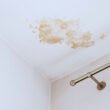
| Interior stain after rain | Active leak path | Call for repair, then inspect attic and decking |
| Soft or sagging roof deck | Possible structural moisture damage | Do not wait; get professional evaluation |
Personally, I would not replace an entire roof from one vague photo or one free sales inspection. I would also not ignore missing shingles, wet decking, or repeated ceiling stains just because the roof still looks passable from the driveway.
What to Document Before Calling a Roofer or Insurer
Good documentation helps you get a cleaner answer and makes it harder for anyone to hand-wave the problem. Take photos from the ground, gutters, attic, ceilings, and yard before temporary repairs hide the evidence.
Use dates. “After the May 28 hailstorm” is more useful than “recently,” especially if you need to compare damage with weather reports or an insurance timeline.
- Photograph every roof slope from the same distance and angle if possible.
- Take close photos of missing tabs, cracked shingles, lifted edges, exposed mat, and granule piles.
- Save photos of hail size, fallen branches, blown-off shingles, or downspout granules.
- Mark interior stains with painter’s tape and date the first time you noticed them.
- Ask the roofer to separate repairable defects from end-of-life aging in writing.
- Get a second opinion if the first recommendation jumps straight to full replacement without explaining the damage pattern.
Ask one blunt question: “What would fail first if I waited one year?” A good answer will name the actual risk, such as exposed underlayment, brittle shingles, bad flashing, soft decking, or wind-lifted tabs.
When You Should Call a Professional
Call a professional when shingles are missing, leaks are visible, the roof deck feels or looks uneven, storm damage is likely, or the damage covers more than a small isolated area. You should also call if the roof is steep, high, brittle, wet, icy, or hard to access safely.
A professional inspection should not just say “bad roof.” It should identify the damaged zones, probable cause, repair options, replacement urgency, and whether ventilation, flashing, gutters, or decking are part of the problem.
Ask for photos. Ask what is urgent and what can wait.
If two roofers disagree, compare their evidence rather than their confidence. The better inspection usually has clearer photos, sharper explanations, and fewer scare tactics.
FAQ
What is the easiest way to tell if roof shingles are bad?
The easiest way is to look for repeated damage patterns: curling, missing tabs, bald spots, cracks, lifted edges, or leaks inside the attic. One small flaw can be repairable, but widespread damage usually deserves a professional inspection.
Do granules in the gutters mean my roof is failing?
Granules in gutters do not always mean failure, especially on a newer roof. Widespread granule piles, bare asphalt patches, exposed mat, or granule loss paired with curling and cracking are stronger warning signs.
Can curled shingles be repaired?
A few curled shingles may be repairable if the rest of the roof is flexible and dry. Widespread curling usually points to aging, heat, ventilation, or bonding problems, so replacement may be more practical.
Can roof shingles be bad even if there is no leak?
Yes, shingles can be bad before water reaches the ceiling. Missing granules, lifted tabs, cracked shingles, and weak seal strips can reduce weather protection even when the attic still looks dry.
How can I tell hail damage from normal aging?
Hail damage often appears as impact marks, bruised spots, circular granule loss, dents, fractures, or damage that matches a known storm date. Normal aging is usually more gradual and spread across exposed slopes.
How old can roof shingles be before they are bad?
There is no single age that makes shingles bad. Material, installation quality, attic ventilation, sun exposure, slope, climate, and storm history can make two roofs of the same age perform very differently.
The Judgment That Saves Money
Bad shingles are not diagnosed by one scary photo or one sales pitch. The stronger answer comes from patterns: roof surface, gutter granules, attic evidence, storm timing, and whether the damage is spreading.
If the roof is dry, flat, and only lightly worn, keep records and budget calmly. If shingles are missing, curled across a slope, bald to the asphalt, or paired with attic moisture, the roof is already asking for help.