


It’s 2:17 AM. Your basement is dark, the house is silent, and then it starts — a low groan, a shudder, a thud that vibrates through the floorboards. You’re awake, wondering why is my sump pump making noise, and it’s not the quiet kind.
You’re not alone. A noisy sump pump is one of the most searched home-maintenance complaints. The good news: most sump pump sounds are diagnosable by noise alone, and many are fixable in under 30 minutes with basic tools, points out Uplift Property Management professionals.
Here is every common sump pump noise, what it means, and exactly what to do about it.
Quick Diagnosis: Noise to Cause to Fix
Match your sound to this quick-reference table. Find the row, check the urgency level, and head straight to the fix section that applies to you. Sound familiar? Let’s get to it.
| Sound | Likely Cause | Urgency | DIY Fix |
|---|---|---|---|
| Gurgling / Slurping | Air in discharge line or bad check valve | Medium | Prime pump, clean or replace check valve |
| Grinding / Screeching | Debris in impeller or worn bearings | High | Clean impeller housing, replace if worn |
| Banging / Thudding | Water hammer from check valve slam | Medium | Install water hammer arrestor or air chamber |
| Humming (no pumping) | Stuck impeller, dead capacitor, or float jam | High | Unstick impeller, test capacitor, free float |
| Rattling / Vibration | Loose discharge pipe or basin contact | Low | Tighten pipe clamps, add rubber padding |
| Clicking (rapid cycle) | Float switch misalignment or check valve chatter | Medium | Adjust float range, add check valve dampener |
| Screaming / Whining | Worn motor bearings or voltage issue | High | Replace pump or consult electrician |
Gurgling and Slurping Sounds: Check Valve and Air Issues
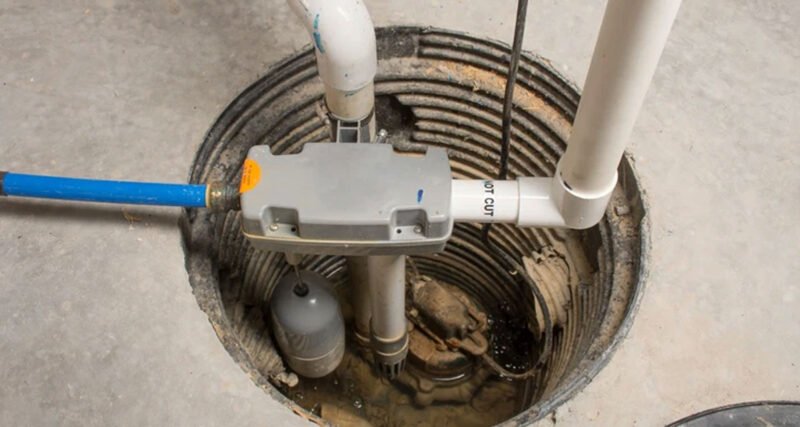
If you are asking why is my sump pump making noise that sounds like gurgling or slurping, the answer is almost always the check valve. This gurgle is the most common complaint. Water struggles to push through the discharge pipe when the pump shuts off and water in the vertical pipe falls back toward the basin.
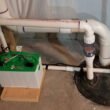
That falling water hits the check valve, a one-way flap that should seal shut and hold the water column in place. When the check valve is broken, missing, or debris-laden, water falls freely, pulling air into the line. The result: a gurgle that sounds like the pump is drowning.
“Why does my sump pump make this noise every time the toilet flushes or every time I run the sink?”
— r/Plumbing, 11 upvotes, 57 comments (2023), source
This Reddit thread captures a pattern most articles miss: trigger-specific noise. If your pump gurgles after a toilet flush or sink run, water from those fixtures enters the sump pit rapidly. The gurgling you hear is air being pushed through the discharge line. It is normal in modest amounts but a sign of inadequate drainage if persistent.
Fix: Unplug the pump, remove the discharge pipe above the check valve, and inspect the flapper. A $15 replacement check valve fixes most gurgling cases. If the check valve is fine, prime the pump by pouring water into the basin until the float triggers. This purges trapped air.
Grinding or Screeching: The Impeller Is the Usual Suspect
A grinding sound from a sump pump has a distinct texture. It is metallic, harsh, and often intermittent. The cause is almost always debris caught in the impeller. Sump pump impellers spin at 1,725 to 3,450 RPM. When a small stone, a rust flake, or a stray screw lodges between the impeller vanes and the housing, the noise sounds like the pump is chewing gravel.
Fix: Unplug the pump, remove it from the basin, and access the impeller housing on the bottom. Most pedestal pumps use a single screw; submersible pumps typically have 4-6 screws on the bottom plate. Clear any debris with needle-nose pliers, spin the impeller by hand to confirm free movement, and reassemble.
A $15 part and twenty minutes of work can save you a $200 service call. Most impellers that are just jammed, not cracked, can be cleaned and reused. The noise disappears immediately on restart.
Banging and Water Hammer: That Sudden Jolt Explained
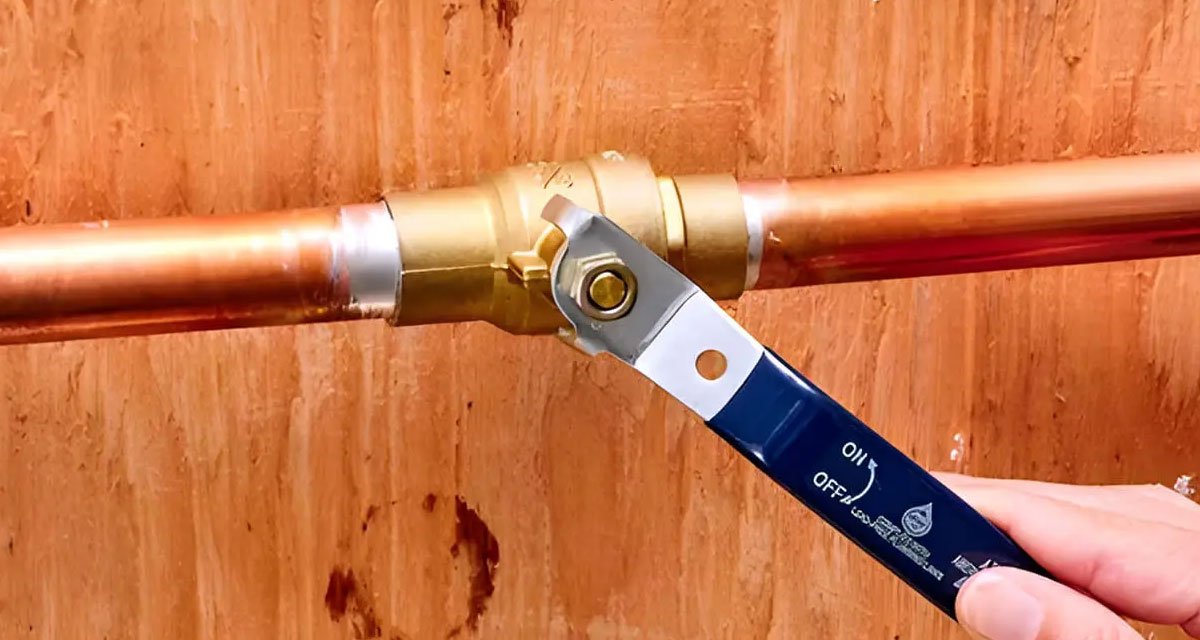
A banging sound when the pump shuts off is startling, loud enough to wake a household. This is water hammer: the rapid deceleration of water flowing through the discharge pipe when the pump stops. The moving water column, often 15-25 pounds in a typical setup, slams against the closed check valve, transmitting a shockwave through the pipe.
The severity depends on pipe length and diameter. A longer horizontal run before the vertical discharge amplifies the hammer. In extreme cases, the shock can loosen pipe joints or crack PVC fittings.
Fix: Install a water hammer arrestor near the pump’s discharge point. These devices absorb the kinetic energy of the stopping water column with a sealed air chamber or spring-loaded piston. Priced between $15 and $40 at any hardware store. For a no-cost alternative, adding 18-24 inches of vertical pipe above the discharge before any horizontal turn creates an air pocket that cushions the water column.
Humming Without Pumping: Stuck, Jammed, or Dead
When you ask why is my sump pump making noise but the water is not moving, you have hit the most urgent problem in this list. The motor is drawing power and wants to run, but something is preventing the impeller from spinning. Run in this state too long and the motor burns out. That is a full replacement, not a repair.
Three causes, in order of likelihood:
- Stuck impeller. Debris, rust, or mineral buildup has locked the impeller in place. See the grinding section above for the cleaning procedure.
- Dead start capacitor. The capacitor gives the motor the torque needed to start spinning. When it fails, you hear a hum but the shaft does not turn. A multimeter continuity test confirms it. Replacement capacitors cost $8-15.
- Float switch obstruction. The float is physically blocked by the basin wall or a tangled cord, keeping the pump in a call-for-power state without allowing it to operate.
A humming pump running continuously draws current until thermal overload kicks in, typically 30-90 seconds. Let it cool, diagnose quickly, and do not let it cycle again until you have identified the cause.
Rattling, Vibrating, and Clicking: Loose Parts Tell a Story
Rattling, vibration, and clicking each point to a different mechanical issue, and each has a straightforward fix. Here is how to tell them apart and what to do about each one.
Rattling: Loose Discharge Pipe
A rattle that increases with pump speed is almost always the discharge pipe vibrating against the basin rim or a floor joist. The pump’s vibration travels up the rigid PVC pipe, and where the pipe contacts wood or concrete, it rattles.
Fix: Check where the discharge pipe exits the basin and passes through framing. Add rubber pipe spacers or foam insulation between the pipe and any contact surface. If the pipe passes through a floor joist hole that is too large, wedge a rubber shim in the gap.
Vibrating: Pump or Basin Resonance
Continuous vibration that you can feel through the floor suggests the pump itself is sitting on the basin bottom without an isolation pad. Many sump pumps ship with a rubber base pad that gets discarded during installation. That missing pad is often the cause.
“I have a buzzing noise from my sump pump? It’s definitely louder than it used to be.”
— r/homeowners, 2 upvotes, 15 comments (2022), source
Fix: Lift the pump and place a rubber vibration isolation pad underneath. This single change often drops perceived noise by 50 percent.
Clicking: Check Valve Chatter
A rapid clicking that syncs with the pump running is the check valve flapper opening and closing in the flow stream. It isn’t fully open, and the water pressure pushes it partially closed, then fully open, repeatedly. This happens when the check valve spring is weak or the valve is installed sideways.
Fix: Confirm the check valve is installed with the flow arrow pointing up. If orientation is correct and the clicking persists, replace it with a spring-loaded silent check valve designed for sump pump use, about $20.
New Pump, Same Noise? What Fresh Installations Get Wrong
There is a specific frustration you see all over Reddit. You installed a brand new sump pump, and it is making noise immediately. This is not rare. New pumps make noise from day one for three reasons most people do not expect.
Air purge. A new installation traps air in the discharge line that takes several cycles to fully purge. The gurgling during the first 5-10 cycles is normal. If it persists beyond a day, the check valve may be installed upside down.
Shipping debris. New pumps sometimes have plastic shavings, foam packing residue, or small manufacturing debris inside the impeller housing. Run a bucket test before installing: fill a 5-gallon bucket, submerge the pump, and listen. Noise in the bucket means debris to clean before final installation.
Pipe resonance. New PVC pipes that are rigidly connected to framing transmit every vibration as amplified noise. Adding a short section of flexible rubber connector between the pump discharge and the rigid pipe dramatically reduces transmission.
Noise Prevention: Install It Quiet From Day One
Preventing sump pump noise is easier than diagnosing it after installation. Four things make the difference between a pump you forget exists and one you hear every cycle:
- Use a rubber isolation base. The stock rubber pad that comes with the pump matters. Use it.
- Install a flexible discharge connector. A 6-12 inch rubber coupling between pump and rigid pipe breaks the vibration path.
- Secure all pipes. Every pipe clamp tightened, every joist hole padded. Loose pipes amplify noise.
- Choose the right check valve. A spring-loaded silent check valve avoids the gravity-versus-spring issues that cause water hammer and chatter.
These four measures cost about $45 total and take 20 minutes during initial installation. Retrofitting them later typically costs triple in effort.
Frequently Asked Questions
Is it normal for a sump pump to be loud?
A running sump pump makes noise, but grinding, banging, screeching, or continuous rattling are not normal and indicate a specific problem that needs attention.
Why is my sump pump humming but not pumping water?
The motor is receiving power but the impeller is not spinning. The most likely causes are a stuck impeller with debris, a failed start capacitor, or a blocked float switch. Unplug immediately to prevent motor burnout.
Why is my new sump pump making noise?
New pumps often gurgle during the first few cycles as air purges from the discharge line. If noise persists beyond 24 hours, check for debris in the impeller, an upside-down check valve, or rigid pipe connections that transmit vibration.
Why does my sump pump run and make noise after every toilet flush?
This indicates the toilet waste line drains into the sump pit. The pump cycles on every flush, and the noise is air being pushed through the discharge line. This is normal operation for your home configuration, though rerouting the toilet drain is an option if the noise bothers you.
How much does it cost to fix a noisy sump pump?
DIY repairs cost $8-40 for parts including a check valve or capacitor; impeller cleaning is free. Professional service calls run $150-400 depending on the issue and local labor rates. A full pump replacement costs $200-600 with installation.
How long should a sump pump last before making noise?
A well-maintained sump pump lasts 7-10 years. Noise developing within the first 2-3 years suggests an installation issue rather than pump wear. Noise after year 7 often means bearing wear, and replacement is the practical choice.
What does a screaming or whining sump pump mean?
A high-pitched whine indicates worn motor bearings or incorrect voltage supply. Both require professional diagnosis. Continuing to run a screaming pump risks motor seizure and potential flooding.
The Bottom Line on Sump Pump Noise
Most sump pump noises have a straightforward fix. A $15 part, a 20-minute cleaning, or a pipe adjustment. The sounds your pump makes are its only way of telling you something is wrong.
The pumps that fail catastrophically and flood basements are almost always the ones that made noise for months while nobody listened.