


You opened the basement door at 3am during a spring storm and found two inches of standing water creeping toward the furnace. A sump pump would have handled it, if you’d picked the right one. The pedestal vs submersible sump pump decision isn’t just about price. It’s about whether you want something that runs quietly for 25 years or something that moves more water but needs replacing sooner, notes OKC Homes 4 You. Here’s the real difference between a pedestal vs submersible sump pump.
How They Actually Work — Submersible vs Pedestal
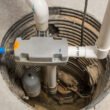
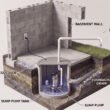
A submersible sump pump sits entirely underwater at the bottom of the sump pit, sealed inside a waterproof housing. The motor is cooled by the water around it, and the entire unit is hidden from view once the pit cover is on. This is why most homeowners prefer submersibles for finished basements, they simply disappear.
A pedestal sump pump keeps the motor dry. The pump base sits in the water, but the motor is mounted on a vertical column above the pit. You can see it. You can hear it. You can also reach it without pulling anything out of the water. That access advantage becomes the main selling point once you own one for a few years.
Both serve the same function, pump water out of your basement. But the engineering differences ripple into cost, noise, maintenance, and lifespan.
Side-by-Side Comparison Table
The table below compares every major difference between a pedestal vs submersible sump pump, covering cost, lifespan, noise, power, maintenance, and installation requirements side by side. This is the only full comparison table among all competing articles.
| Factor | Pedestal Sump Pump | Submersible Sump Pump |
|---|---|---|
| Price range | $80 to $200 | $200 to $600+ |
| Average lifespan | 25 to 35 years | 8 to 12 years |
| Noise level | 65 to 75 dB (vacuum cleaner) | 45 to 55 dB (conversation level) |
| Motor location | Above the pit (dry) | Inside the pit (submerged) |
| Pumping capacity | 25 to 40 GPM | 35 to 60+ GPM |
| Solid handling | Liquids only | Small solids and debris |
| Installation difficulty | Easy to moderate | Moderate to advanced |
| Pit depth required | 18 inches minimum | 24 inches minimum |
| Maintenance access | Easy (above ground) | Moderate (must pull from pit) |
| Visibility | Visible above floor | Hidden under cover |
| Warranty typical | 1 to 3 years | 3 to 5 years |
The submersible costs more upfront but offers higher capacity and quieter operation. The pedestal costs less and lasts significantly longer. The right choice depends on your basement’s specific needs.
Cost Comparison — Upfront vs Long-Term
A pedestal sump pump runs $80 to $200 at most hardware stores. A submersible starts around $200 and goes past $600 for models with battery backup or Wi-Fi monitoring. The upfront gap is real, but the long-term math flips it.
If a pedestal pump costs $120 and lasts 30 years, your annual cost is $4. A $350 submersible that lasts 10 years costs $35 per year. Over 30 years, replacing the submersible twice means $1,050 in pumps versus $120 for the pedestal. Sound like a big difference? That’s because it is.
“I just bought a house, no sump pump at all. I’m looking at a pedestal because it’s cheaper and the basement is empty so I don’t care about the noise or looks. What size should I get? Any brand recommendations?”
— r/askaplumber, 2 upvotes, 13 comments (2026), source
Installation labor adds $300 to $800 for either type if you hire a plumber. A pedestal is more DIY-friendly if you have basic skills.
Noise Levels — The Detail Nobody Mentions
A pedestal sump pump registers 65 to 75 decibels at operating distance, roughly the same noise as a vacuum cleaner running in the next room. A submersible pump submerged in water inside a covered pit drops to 45 to 55 dB, quieter than normal conversation.
This matters more than most buyers expect. If your basement is finished as a bedroom, home office, or entertainment space, a pedestal pump cycling on during a movie becomes an immediate annoyance.
Oddly enough, some homeowners with unfinished basements prefer the audible confirmation. “You can hear it running” is the cheapest pump status indicator there is.
Power & Performance — Which Moves Water Faster?
Submersible pumps consistently outperform pedestal pumps in gallons per minute. A standard 1/3 HP submersible moves 35 to 45 GPM, while a 1/2 HP model hits 50 to 60 GPM. Pedestal pumps in the same horsepower range manage 25 to 40 GPM.
That gap becomes critical during heavy storms. A submersible’s higher capacity means it can keep up when water enters the pit faster than a pedestal can expel it. Why does that matter? Because a pump that falls behind during a storm is the same as having no pump at all.
Pedestal pumps also cannot handle solids. Dirt, gravel, or small debris that washes into the pit will clog a pedestal impeller. Submersible pumps pass small solids through a wider intake screen, which matters if your pit collects sediment during heavy rain.
Installation & Sump Pit Requirements
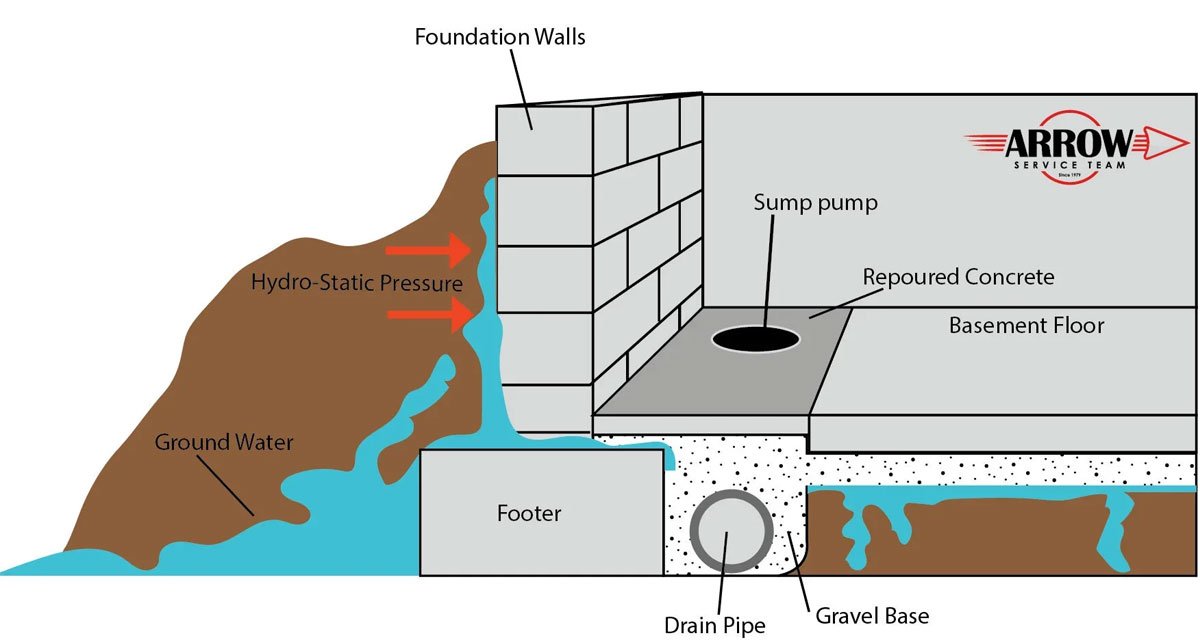
Your existing sump pit determines which type you can install more than any other factor. A submersible pump needs a pit at least 24 inches deep and 18 inches wide. A pedestal pump works in pits as shallow as 18 inches because only the base sits in the water.
Electrical requirements differ too. Both need a GFCI-protected outlet. But submersible pumps require a sealed watertight connection, usually a plug inside the pit or a hardwired junction box nearby. The cord enters the pit through a hole in the cover.
One contractor on Reddit described a homeowner who bought a submersible without measuring first. The pit was 16 inches deep. Not enough clearance. He had to return it and buy a pedestal instead.
“Basement sump pump, submersible vs pedestal? Looking at buying a house with a sump pit already in place. The pit is small and shallow. Wondering if I should stick with pedestal or go submersible.”
— r/Plumbing, 4 upvotes, 14 comments (2015), source
Maintenance — The Real Ongoing Cost
A pedestal pump requires annual motor lubrication, typically a few drops of oil in the designated ports. The float switch should be checked for free movement. Because the motor is above water, you can do both in under two minutes without tools.
A submersible pump needs more involved annual maintenance. You pull the unit from the pit, clean the intake screen, inspect the seal for cracks, and test the float switch. Every two to three years, the shaft seal and gaskets need replacement.
In practice, submersible owners defer maintenance because pulling the pump is a hassle, and skipped maintenance is the most common cause of premature failure.
Lifespan & Reliability — Which Pump Lasts Longer?
Pedestal sump pumps typically last 25 to 35 years. The motor stays dry above the pit, so there’s no seal to fail and no water intrusion into electrical components. The average sump pump lifespan differences hinge entirely on this one design choice.
Submersible pumps last 8 to 12 years. The seals that keep water out of the motor eventually degrade. Once they fail, the motor floods and the pump is dead. Premium brands offer longer warranties, but the core limitation is the same.
“My previous home had a pedestal pump that was installed in 1988 and was still working fine when I moved out in 2021. Meanwhile my current house has a submersible that needed replacement after 7 years.”
— r/HomeImprovement, 27 upvotes (2023), source
When to Choose Pedestal — When to Choose Submersible
Choose a pedestal pump when: You have an unfinished basement, the sump pit is shallow (under 24 inches), noise is not a concern, and you want the lowest total cost of ownership over 20-plus years. Pedestal pumps also make sense for crawl spaces where pit depth is limited.
Choose a submersible pump when: Your basement is finished, the sump pit is deep enough, noise and appearance matter, or you experience heavy seasonal rain requiring maximum pumping capacity. Submersible pumps are also better if your pit regularly collects sediment or debris.
Choose neither (or both) when: If power outages are common in your area, add a battery backup system regardless of which primary pump you select. A pedestal primary with a submersible battery backup maximizes both lifespan and emergency coverage.
Frequently Asked Questions
Which is better — pedestal or submersible sump pump?
Neither is universally better. Pedestal pumps last longer and cost less but are noisier and less powerful. Submersible pumps are quieter and move more water but need replacement sooner and cost more upfront. Your basement conditions decide the winner.
Do pedestal sump pumps last longer?
Yes. Pedestal pumps routinely last 25 to 35 years because the motor stays dry above the sump pit. Submersible pumps average 8 to 12 years because seals eventually degrade underwater, leading to motor failure.
Which is quieter — pedestal or submersible sump pump?
Submersible sump pumps are significantly quieter at 45 to 55 dB, comparable to normal conversation. Pedestal pumps produce 65 to 75 dB, roughly a running vacuum cleaner, because the motor is exposed above the pit.
Can a pedestal sump pump handle heavy rain?
A pedestal pump handles moderate rainfall but its lower capacity (25 to 40 GPM) makes it less suitable for heavy storms. Submersible pumps at 35 to 60+ GPM are better for high-volume situations.
How much does it cost to install a sump pump?
A pedestal pump costs $80 to $200 for the unit plus $300 to $800 for professional installation. A submersible pump costs $200 to $600+ with similar labor. DIY installation of a pedestal saves the labor if you have basic plumbing skills.
Do submersible sump pumps need more maintenance?
Yes. Submersible pumps require annual pulling, cleaning, and seal inspection, plus shaft seal replacement every two to three years. Pedestal pumps need only annual motor lubrication and float checks because the motor is accessible above the pit.
Can I replace a pedestal sump pump with a submersible?
Only if your sump pit is at least 24 inches deep and 18 inches wide. A pedestal works in shallower pits at 18 inches minimum, but switching to a submersible requires enough depth for the entire unit to sit underwater.
What size sump pump do I need?
For most residential basements, a 1/3 HP pump is sufficient. Choose 1/2 HP for larger basements, heavy clay soil, or areas with frequent heavy rainfall. The horsepower rating tells you the pumping capacity, not the pump type.