

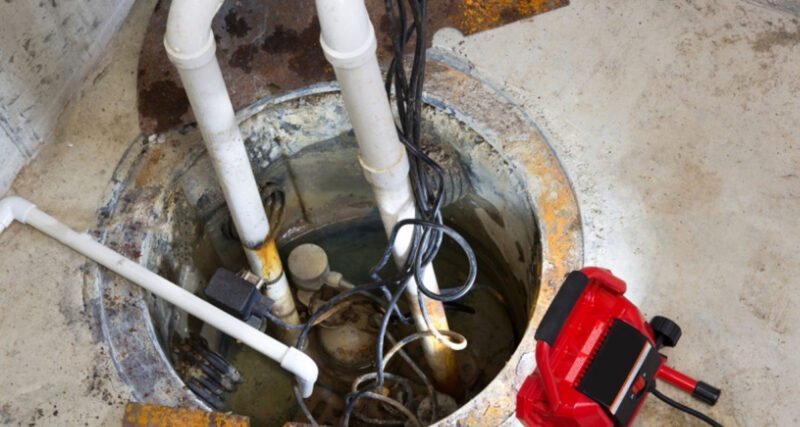
You walk into the basement after a heavy rain and hear the motor running. But the water level in the pit isn’t dropping. Knowing how to tell if sump pump is failing is the difference between a $200 fix and a $5,000 flood, knowledge as crucial as identifying Deal Breakers Buying Rental properties.
Knowing how to tell if sump pump is failing is the difference between a $200 fix and a $5,000 flood. A failing sump pump doesn’t always stop working completely. Sometimes it runs harder, louder, and longer — until it can’t anymore. The question is whether you catch the warning signs before the next storm arrives.
Test Your Sump Pump Right Now — 5 Quick Steps
The fastest way to tell if your sump pump is failing is to run a simple test right now. You don’t need tools. You don’t need a plumber. You need five minutes and a bucket of water.
Step 1: Check the power. Make sure the pump is plugged into a working GFCI outlet. Press the TEST button on the outlet. If it doesn’t trip, the outlet is faulty — that alone can make a working pump seem broken. Press RESET and proceed.
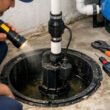
Step 2: Listen for the float. Locate the float switch inside the sump pit — it looks like a floating ball or a vertical cylinder attached to the pump. Lift it gently by hand. A working pump should click on immediately. If you hear nothing, the switch is stuck, broken, or disconnected.
Step 3: Pour water into the pit. Fill a five-gallon bucket and pour it into the sump pit slowly. Watch the water level rise. A healthy pump activates when the water reaches the trigger level. The motor starts, the water drains, and the pump shuts off when the pit is nearly empty.
Step 4: Watch the discharge. Go outside and locate the discharge pipe where it exits your home. Confirm water is flowing out. No water outside while the pump is running means a clogged or frozen discharge line.
Step 5: Time the cycle. From activation to shutoff should be 10 to 15 seconds under normal flow. Faster than 5 seconds means the pit is too small. Longer than 30 seconds means the pump may be undersized or partially clogged.
If the pump fails any of these checks, read the section below that matches your symptom. Sound familiar? That grinding noise is trying to tell you something.
9 Warning Signs Your Sump Pump Is Failing
Learning how to tell if sump pump is failing comes down to recognizing a few critical symptoms. Most pumps give multiple warning signs in the weeks and months before they stop working entirely. The key is knowing what each symptom means before water reaches your basement floor.
“My sump pump failed while I was at work.”
— r/Wellthatsucks, 19 upvotes, 7 comments (2021), source
Unusual Noises, Grinding, Humming, and Rattling
The sound your sump pump makes tells you exactly what is wrong, if you know what to listen for. Different noises point to different problems, and most are fixable without replacing the whole pump.
| Noise | Likely Cause | What to Check | Urgency |
|---|---|---|---|
| Grinding or scraping | Debris in the impeller (stones, sand, zip ties) | Unplug pump, remove and inspect intake screen | High, can seize the motor |
| Loud humming, no pumping | Stuck impeller or seized motor | Check for jammed debris; if clear, motor replacement likely needed | Critical, pump is not working |
| Rattling or vibration | Loose mounting, unbalanced impeller, or cavitation | Tighten mounting bolts; inspect impeller for damage | Medium, causes premature wear |
| Clicking or tapping | Float switch catching on pit wall or debris | Check float moves freely; clean pit of debris | Low, annoying but not urgent |
| Continuous running noise | Float stuck in ON position or check valve failure | Confirm check valve direction; inspect float movement | High, motor will overheat |
That grinding sound you heard last Tuesday is debris hitting the impeller at 1750 RPM. One piece of gravel inside that housing and the motor draws 300% more current until it trips the thermal overload or burns out entirely.
Running Continuously or Short-Cycling
A pump that runs nonstop is working itself to death. Continuous operation means the pump moves water out, but the water comes right back. The most common cause is a failed check valve. This one-way valve sits in the discharge pipe and keeps pumped water from flowing back into the pit. When it breaks, every gallon the pump pushes out falls right back down. The pump runs forever and never catches up.
Short-cycling is different. The pump turns on for 3 to 5 seconds, shuts off, then starts again 10 seconds later. This usually means a float switch that is catching on the pit wall or a pit that is too small for the pump’s capacity. Both conditions burn out the motor in months instead of years.
Won’t Turn On
A silent pump during a storm is the worst possible sign. Before you assume the pump is dead, check these three things in order. First, confirm the GFCI outlet hasn’t tripped, press RESET firmly. Second, lift the float switch by hand to test if the motor responds. Third, inspect the power cord for damage where it enters the pump casing; a nicked cord from vibration can short the circuit without tripping the breaker.
If the outlet has power and the float switch moves freely but the pump stays silent, the motor’s thermal overload may have triggered. Give it 30 minutes to cool, then test again. Still silent? The motor winding has likely failed, time for a replacement.
Burning Smell or Overheating, Urgent Action Required
A burning smell from your sump pump is not a warning. It is a shutdown order. The smell is the motor winding insulation breaking down under excessive heat. Continued operation creates a fire risk.
Immediate steps: Unplug the pump. Let it cool for 30 minutes. Check the intake screen for blockage. If the pump is cool to the touch but still smells burnt when you plug it back in for 5 seconds, the motor is damaged internally. Replace the pump before the next rain.
Overheating without smell often means the pump is undersized for the volume of water entering your pit. During heavy rain, the motor runs continuously without its normal cool-down cycle. A thermal overload switch may shut it down temporarily, but repeated cycling damages the windings over time.
Visible Rust, Vibration, and Physical Damage
Sump pumps live in a wet, corrosive environment. Surface rust on the casing is normal. Rust on the electrical connections, float switch arm, or motor housing seal is not. Look for orange crust around the power cord entry point, that means moisture is inside the motor housing.
Excessive vibration while running suggests the impeller has thrown a balance weight or accumulated debris unevenly. A pump that walks across the pit floor during operation is vibrating enough to damage the discharge pipe connection.
Tripping the Breaker
A pump that repeatedly trips the circuit breaker has a serious electrical problem. Common causes include a failing motor that draws excessive current, moisture in the electrical connections, or a jammed impeller forcing the motor into an over-current state. Do not keep resetting the breaker. Each trip stresses the wiring in your panel.
Unplug the pump and test it on a different GFCI outlet. If it trips a known-good outlet, the pump is at fault. If the original outlet still trips with nothing plugged in, the problem is the circuit, call an electrician.
Water Not Draining Properly
The pit fills but the water level barely drops while the pump runs. This is almost always a discharge problem. The pipe leading outside may be clogged with silt, frozen during winter, or crushed by settling soil. Disconnect the discharge pipe at the pump outlet and run a garden hose through it. If water backs up, you found the blockage.
Another possibility: the pump is simply too small. A pump rated for 1800 GPH (gallons per hour) cannot keep up when 2500 GPH of groundwater enters your pit. If your area has had increasingly heavy storms in recent years, the original builder-grade pump may no longer be adequate.
Sump Pump Lifespan and When to Replace
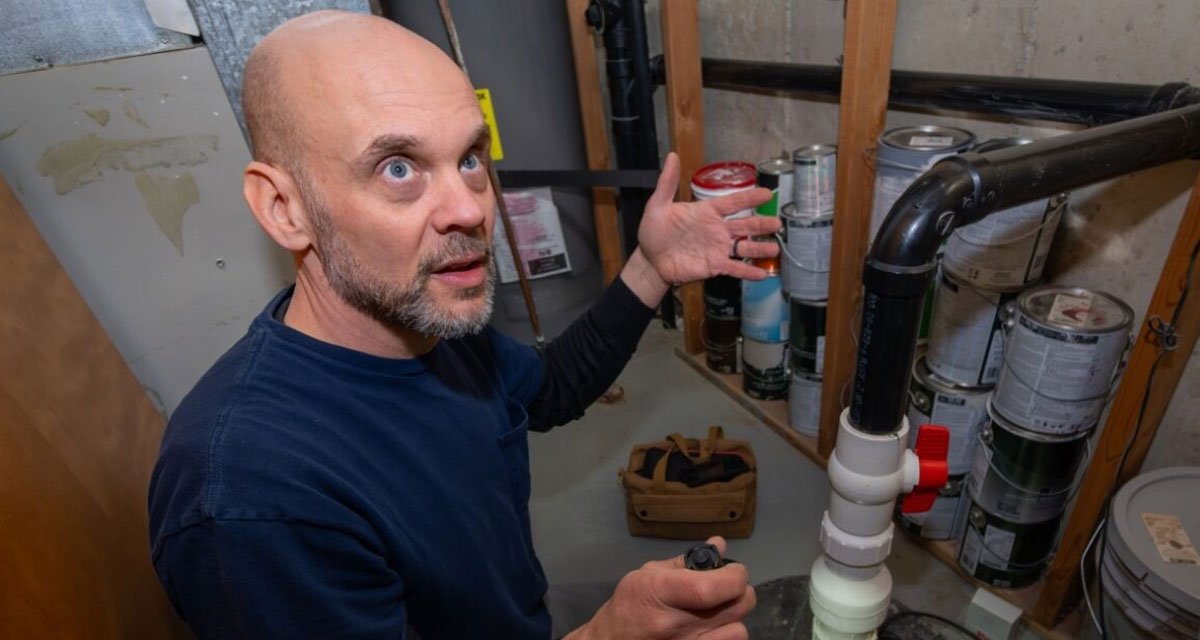
Every sump pump has a finite working life. Knowing the expected lifespan of your pump type helps you decide whether to repair a 2-year-old pump or replace a 12-year-old one.
| Pump Type | Typical Lifespan | Cost Range | Best For |
|---|---|---|---|
| Pedestal pump | 10–15 years | $60–$150 | Low water volume, dry pits |
| Submersible pump (budget) | 3–5 years | $100–$200 | Budget replacement, moderate use |
| Submersible pump (premium) | 7–12 years | $200–$500 | Heavy rainfall, primary pump |
| Battery backup pump | 3–7 years (battery: 2–5) | $200–$600 | Power-outage protection |
| Water-powered backup | 15–20+ years | $300–$800 | No battery maintenance |
A sump pump costs between $100 and $500. Basement water damage repairs cost $3,000 to $10,000. That ratio is worth remembering when you hesitate at a $200 replacement.
Age-based inspection checklist: If your pump is under 3 years old, clean the intake screen annually. At 5 years, replace the check valve if it has never been changed. At 7 years, test monthly during wet season. At 10 years, proactively replace, don’t wait for failure.
“Sump pumps do eventually fail, be prepared!”
— r/HomeImprovement, 25 upvotes, 24 comments (2016), source
Maintenance That Stops Failure Before It Starts
The morning after a power outage, you walk downstairs and remember the sump pump exists, because the battery backup is beeping. The pump ran all night. The battery is nearly dead. You open the pit and find the intake screen packed with silt. That checks all three boxes for a pump failure that hasn’t happened yet but will, probably next Tuesday.
Quarterly tasks (every 3 months): Pour a bucket of water into the pit to confirm the pump activates and drains. Listen for unusual noises. Check the discharge pipe outside for blockages. Test the GFCI outlet.
Annual tasks (before spring rains): Unplug the pump and remove it from the pit. Clean the intake screen and housing of all debris. Inspect the float switch for free movement. Tighten all mounting bolts. Replace the check valve if more than 5 years old.
Before winter in cold climates: Confirm the discharge pipe is pitched downward away from the house. A pipe with standing water will freeze and block drainage in a spring thaw. Insulate any exposed pipe sections in unheated crawl spaces.
Doing this costs 15 minutes per quarter. Ignoring it costs whatever your insurance deductible is for basement flooding, usually $1,000 to $2,500.
“How to tell if my sump pump is working?”
— r/homeowners, 9 upvotes, 15 comments (2017), source
Frequently Asked Questions
How often should a sump pump run during dry weather?
A sump pump should not run at all during dry weather. The fastest way how to tell if sump pump is failing during dry spells is to check whether the pump cycles on with no rain, this signals high groundwater or a failed check valve letting water drain back into the pit.
How long do sump pumps typically last?
Pedestal pumps last 10 to 15 years with proper maintenance. Budget submersible pumps typically last 3 to 5 years, while premium models last 7 to 12 years. Battery backup units need battery replacement every 2 to 5 years.
Should I repair or replace my sump pump?
Replace if the pump is over 5 years old, the motor has failed, or repair costs exceed half the price of a new pump. Repair if the pump is under 3 years old and the issue is limited to a stuck float switch or clogged intake screen.
Can a sump pump fail even when the power is on?
Yes. Most failures are mechanical, not electrical. A stuck float switch, clogged impeller, failed check valve, or seized motor can stop a pump with full power available. This is why testing it manually is important.
Why is there water in my basement if the sump pump is running?
Water entering the basement while the pump runs usually means one of four problems: the discharge pipe is clogged or frozen, the pump is undersized for the incoming water volume, the check valve has failed, or there is a crack in the foundation wall that bypasses the sump system entirely.
Why does my sump pump smell like burning rubber?
That smell is the motor winding insulation breaking down under heat. Unplug the pump immediately and let it cool. If the smell returns when plugged back in, the motor is damaged and the pump must be replaced.
Do I need a backup sump pump?
If your basement is finished or contains valuable items, a battery backup pump is strongly recommended. Power outages often coincide with the heaviest rains, the exact moment the primary pump is needed most.
What happens to sump pumps in freezing weather?
The pump itself is below the frost line and will not freeze. However, the discharge pipe above ground can freeze if not properly pitched. Insulate exposed pipe sections and ensure the pipe slopes downward to prevent standing water.
Final Check Before the Next Storm
Pour a bucket of water into your sump pit right now. Watch it drain. Time the cycle. If the pump clicks on, moves water, and shuts off cleanly, you are good for today.
If it grinds, hums, runs without pumping, or stays silent, you just caught the problem before the next three inches of rain. That is the difference between a $200 replacement and a $5,000 cleanup.
A sump pump is one of those machines you only remember exists when it stops working. The whole trick is knowing it will fail before it actually does.