


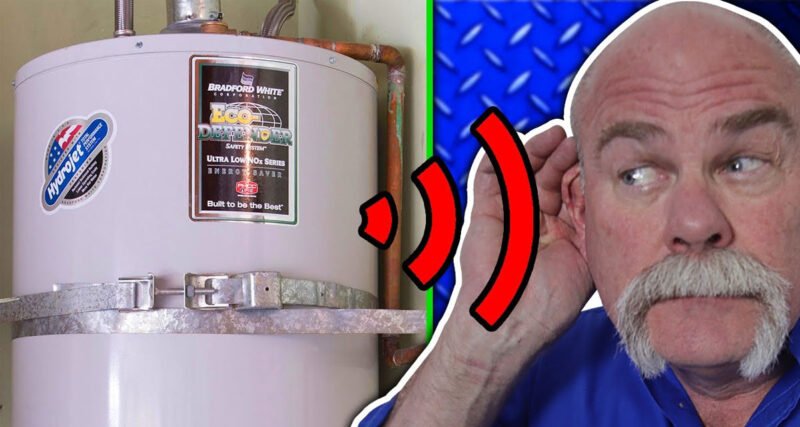
If you are wondering why your water heater is making noise, the answer almost always starts with what is sitting at the bottom of the tank. Minerals like calcium and magnesium settle out of heated water, forming a chalky layer of sediment that traps steam and creates popping, rumbling, or crackling sounds, explains Aramis Realty experts. Other common causes include water hammer in your pipes, loose heating elements, and pressure fluctuations inside the tank.
The most frequent noise, popping from sediment, is something you can often fix yourself with a tank flush. But screeching, loud banging, or a rumble that gets worse every week means it is time to take the sound seriously. Those noises can signal problems that turn into a flooded utility room and a four-figure emergency replacement if ignored.
The 5 Noises Your Water Heater Makes and What Each One Means
A water heater is never completely silent. Gas units fire a burner. Electric elements hum. The tank fills and empties. None of that means anything is wrong. The noises that matter are the ones that change: a pop that was not there last month, a rumble that gets louder every week, a screech when someone turns on a faucet.
Popping or Rumbling
This is the most common water heater noise, and it almost always comes down to sediment. As water heats, dissolved minerals separate out and sink to the bottom of the tank. Over months and years, they form a hardened layer. When the burner fires beneath that layer, water trapped in the sediment superheats and bursts through. That is the pop you hear.
A Pacific Northwest National Laboratory study found that hard water reduced a gas storage water heater’s efficiency from 70.4% to 67.4% in just two years of simulated use. That 3% drop comes entirely from scale insulating the tank bottom, forcing the burner to work harder. Rumbling means the sediment layer is thick enough to disrupt water flow through the tank as it heats.
Fix: Flush and drain the tank at least once a year. If you live in an area with hard water, twice a year is better. A garden hose connected to the drain valve at the bottom of the tank does the job. If the rumbling persists after a thorough flush, the sediment may have hardened beyond DIY removal. At that point, the tank may need professional cleaning or replacement.
Hissing or Sizzling
A hissing or sizzling sound usually means moisture is making contact with a hot surface. In an electric water heater, this often indicates a small internal leak dripping onto the heating element. In gas units, condensation forming inside the tank can create the same sound.
Fix: First, check for visible leaks around the inlet valve, outlet valve, and nearby pipe connections. Wipe everything dry and watch for new moisture. If no external leaks are visible but the sound persists, the leak is internal. Turn off power to the unit at the breaker and call a plumber. Running an electric heater with a leaking element can short the component and create a shock hazard.
Banging or Hammering
If the banging comes from the pipes rather than the tank itself, you are almost certainly dealing with water hammer. This happens when a valve shuts suddenly and the moving column of water slams to a stop.
The pressure shockwave can measure over 300 PSI, more than five times the normal 40 to 60 PSI in a residential plumbing system. Washing machines and dishwashers are the typical triggers because their solenoid valves snap shut instantly.
Fix: A water hammer arrestor costs under $20 at any hardware store. It installs on the supply line near the offending appliance and uses a gas-filled chamber to absorb the shockwave before it reaches your pipes. No plumbing experience required. It threads onto the supply connection like a garden hose fitting.
Ticking or Clicking
Ticking sounds are typically caused by thermal expansion. As hot water moves through metal pipes, the pipes expand. If the pipe straps that hold them in place are loose, the expanding pipe shifts against the strap or the framing and creates a rhythmic ticking.
In some cases, a heat trap or check valve at the top of the water heater makes a ticking sound as it opens and closes during the heating cycle.
Fix: Inspect the pipe straps along the hot water outlet line. Tighten any loose ones with a screwdriver. If the ticking comes from the heat trap, it is usually harmless. Some models simply click more than others. But if the sound is new and getting louder, have a plumber check the valve for debris or wear.
Screeching or Whistling
A high-pitched screeching or whistling sound almost always means restricted water flow. The most common cause is a partially closed inlet valve on top of the tank. The temperature and pressure relief valve, or T&P valve, can also produce a whistling sound if it is loose, damaged, or if pressure inside the tank has climbed too high.
Fix: Check that the cold water inlet valve on top of the heater is fully open. If the whistling continues, inspect the T&P valve (a small lever on the side or top of the tank) for signs of leakage or corrosion.
A faulty T&P valve is a safety concern. If you see water dripping from it or hear consistent whistling, shut off the water supply and call a plumber the same day.
Quick Diagnostic Table: Match the Sound to the Problem
Each water heater noise maps to a specific cause and fix. Use this table to diagnose what you are hearing and decide whether to grab a wrench or your phone.
| Sound | Likely Cause | DIY or Pro? | Estimated Cost |
|---|---|---|---|
| Popping / Rumbling | Sediment buildup | DIY | $0 (tank flush) |
| Hissing / Sizzling | Internal leak or condensation | Pro | $150 to $400 |
| Banging / Hammering | Water hammer in pipes | DIY | $15 to $25 (arrestor) |
| Ticking / Clicking | Thermal expansion or loose pipe straps | DIY | $0 to $10 |
| Screeching / Whistling | Restricted valve or faulty T&P valve | Pro | $100 to $300 |
| Humming | Loose heating element | Pro | $150 to $350 |
When to DIY vs. When to Call a Plumber
Three questions tell you whether a noise is a Saturday-morning project or a phone call to a licensed plumber. Most water heater sounds fall into clear DIY or professional categories based on how much risk is involved.
- Is water involved beyond the tank? If there is any sign of leakage (water on the floor, dampness around fittings, rust stains running down the tank), stop and call a plumber. Water and electricity or gas do not mix. A small drip can become a rupture within hours.
- Can you safely access the fix? Flushing a tank through the drain valve is straightforward. Replacing a heating element or adjusting a gas burner is not. If the fix requires opening the tank, touching gas connections, or working inside the combustion chamber, it is a pro job.
- Has the noise changed or escalated? A steady pop that has sounded the same for months is probably stable sediment. A rumble that gets louder every week, or a new screech that started yesterday, means something is actively deteriorating. Do not wait on those.
The One Maintenance Task That Prevents Most Water Heater Noise
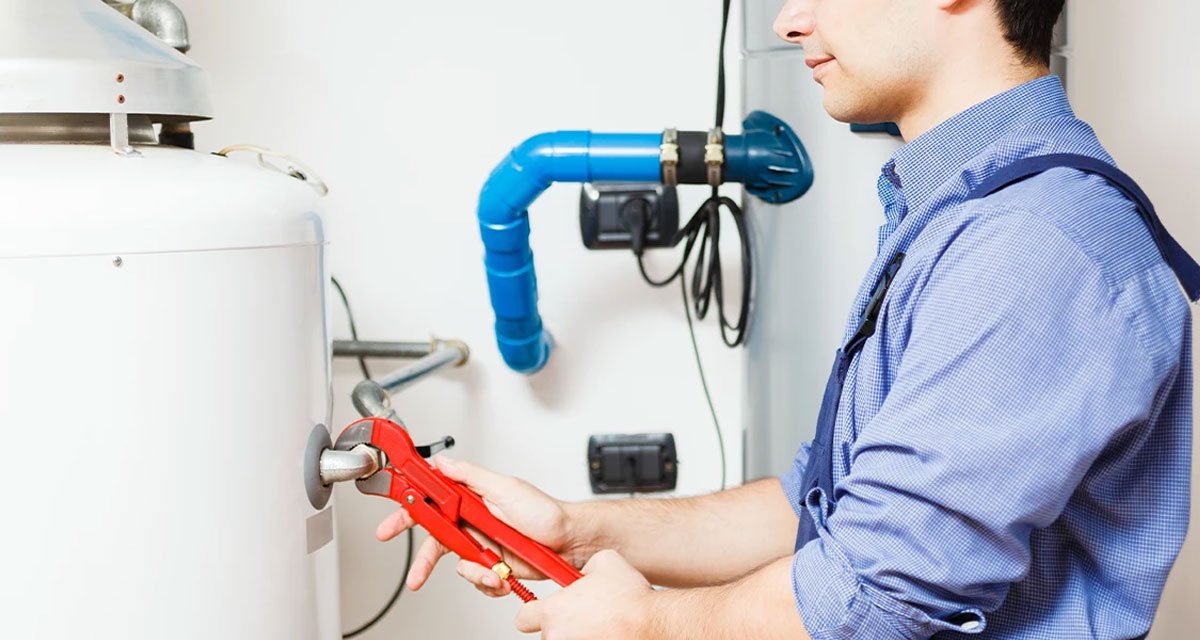
Flushing your water heater tank once a year eliminates the sediment that causes popping, rumbling, and most hissing sounds. The process takes about 30 minutes: attach a garden hose to the drain valve at the bottom of the tank, run the hose to a floor drain or outside, open the valve, and let the tank drain completely.
Turn off the power or gas to the unit first. Close the cold water inlet valve before draining.
If your water is especially hard, flush the tank every six months. Some plumbers recommend adding a small amount of descaling solution during the flush to break down stubborn mineral deposits. But plain water and consistent timing will prevent the vast majority of noise problems before they start.
Homeowners who skip this maintenance often hear about it from their water heater first. On r/Plumbing, the anxiety that comes with a sudden noise is a recurring theme:
“Water Heater making popping noises, will it explode?”
— r/Plumbing, 20 upvotes, 16 comments (2021), source
The short answer: no, a popping water heater is not going to explode. But the sediment that causes the noise also insulates the tank bottom from the burner, forcing it to run hotter and longer. Over years, that extra heat stress can crack the tank lining.
At that point, replacement is your only option. A new water heater runs anywhere from $800 to $2,500 installed, depending on tank size and fuel type.
Frequently Asked Questions
Is a noisy water heater dangerous?
Most water heater noises like popping, rumbling, and ticking are not immediately dangerous. They signal maintenance issues such as sediment buildup or thermal expansion. However, a whistling or screeching sound from the T&P relief valve can indicate dangerous pressure buildup inside the tank. A hissing sound paired with visible water on the floor means an active leak. Both situations require shutting off the unit and calling a plumber right away.
How do I stop my water heater from making noise?
For the most common noise, popping from sediment, flush and drain the tank using the drain valve at the bottom. Attach a garden hose, run it to a drain or outside, and let the tank empty completely. For banging noises from the pipes, install a water hammer arrestor on the supply line near the washing machine or dishwasher. For any noise involving visible leaks, gas smells, or electrical issues, shut off the unit and call a plumber. Do not attempt a DIY fix on those.
What does it sound like when your water heater is going out?
A failing water heater often produces a loud, persistent rumbling that gets worse over time. This indicates sediment buildup so severe that the tank bottom is overheating and starting to crack. You may also hear a sharp banging sound caused by the tank itself flexing under heat stress, different from the pipe hammer described above. If the tank is more than 10 years old and making these sounds, replacement is usually more cost-effective than repair.
How much does it cost to fix a noisy water heater?
A tank flush costs nothing if you do it yourself, or roughly $100 to $200 if a plumber handles it as part of annual maintenance. Installing a water hammer arrestor runs $15 to $25 in parts. More serious repairs, like replacing a heating element or T&P valve, typically range from $150 to $400 depending on your location. A full water heater replacement costs between $800 and $2,500 installed, varying by tank size, fuel type, and local labor rates.
The Bottom Line
Your water heater talks to you, and most of what it says is manageable. Popping and rumbling mean sediment: flush the tank. Banging from the pipes means water hammer: install a $20 arrestor.
But screeching, persistent rumbling that gets louder, or any sound accompanied by water on the floor means it is time to shut the unit off and pick up the phone. The difference between a free fix and a $2,000 emergency replacement often comes down to whether you listened the first time the noise showed up.