


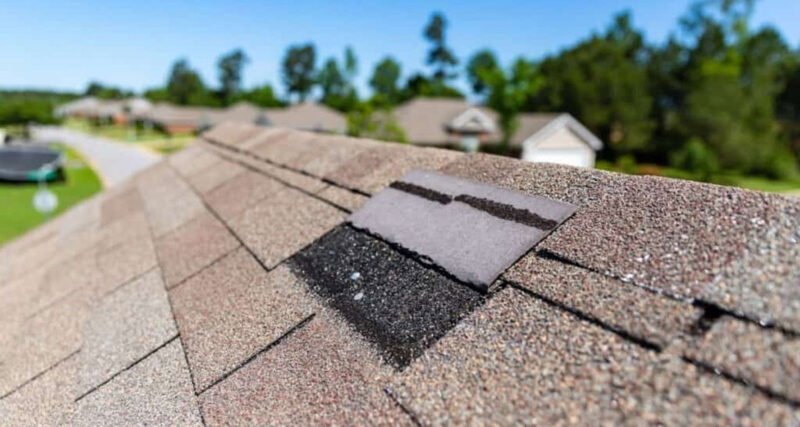
A storm does not have to leave a hole in your roof to cause thousands in hidden damage, explains UTZ Property Management Lutherville Timonium. The real trouble with hail, high winds, and heavy rain is that the most destructive problems — compromised flashing, slow leaks into the roof decking, and subtle shingle granule loss — often stay invisible for weeks or months.
By the time you notice a ceiling stain or a musty smell, the water has already damaged insulation, framing, and drywall.
Most homeowners wait until they see a puddle on the floor. That’s too late. The Insurance Institute for Business & Home Safety reports that delayed detection of storm damage is the single biggest reason roof replacement claims get denied or underpaid. Insurers expect you to catch the damage early, and they have specific documentation requirements that most people don’t know about until after their claim is rejected.
Knowing the signs your roof has storm damage isn’t just about protecting your house — it’s about protecting your insurance coverage and your wallet. This guide walks you through the seven most reliable indicators, from ground-level exterior checks to attic-based roof leak detection, and explains exactly what to do next to get repairs covered.
1. Exterior Signs: What to Look for from the Ground
Most homeowners spot the first signs your roof has storm damage without ever climbing a ladder. A ground-level inspection is safer and often more revealing than you’d expect — you just need to know what to look for. Grab a pair of binoculars and walk the perimeter of your house after any significant wind or hail event.
Missing or Loose Shingles
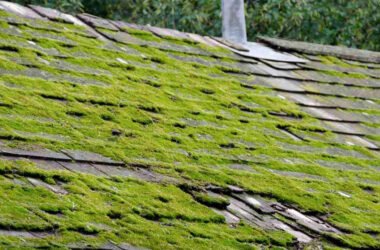
High winds don’t always rip shingles clean off. Sometimes they just lift the edges, loosening the sealant strip underneath. Look for shingles that appear “raised” or curled at the corners, especially on the windward side of your roof. A single missing shingle might seem minor, but it exposes the roof decking beneath — and that’s where moisture intrusion begins. According to the Insurance Institute for Business & Home Safety (2024), wind speeds as low as 50 mph can lift shingles on older or poorly installed roofs.
Granule Loss in Gutters
Check your downspouts and gutter valleys. If you see piles of sand-like granules , or if your gutters look like they’re bleeding color , that’s shingle granule loss. Hail impact knocks those protective granules loose. One quick test: after a rain, look for dark streaks on your driveway where granules washed out of the gutters. The Asphalt Roofing Manufacturers Association notes that significant granule loss reduces a shingle’s UV protection and accelerates aging. If you’re finding granules in every downspout, your roof likely took a direct hit.
Dented or Cracked Flashing
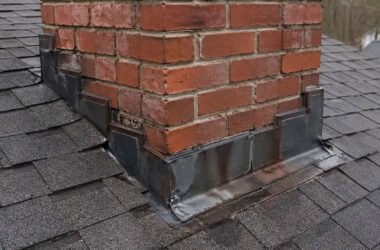
Flashing , the metal strips around chimneys, vents, and skylights , is a damage magnifier. Hail that dents a shingle might barely show, but the same hail will leave a visible dimple in soft metal flashing. Walk your property line and inspect these areas with binoculars. Dented or cracked flashing means the waterproof seal around those penetrations is compromised. This is where flashing damage often leads to interior leaks weeks or months later, long after the storm has passed.
“Should you get your roof inspected after every hail storm?”
, r/Roofing, 2 upvotes, 15 comments (2025), source
Short answer: yes, especially if you spot any of these ground-level clues. A professional roofer can identify damage patterns , like bruising on shingles , that are invisible from the street. But the ground check is your first line of defense. If you see three or more of these signs on one side of your roof, you’re not being paranoid. You’re being smart.
The fastest way to confirm storm damage is often by looking inside. While missing shingles are obvious from the curb, a slow leak through compromised flashing or hail-bruised decking can hide for weeks. Interior signs are the proof your insurance adjuster needs that the damage is active, not pre-existing wear.
Attic Inspection
Grab a flashlight and go into the attic on a sunny day. Turn off the lights. What you’re looking for is daylight , any pinprick of sun cutting through the roof decking means the waterproof layer is broken. According to the National Roofing Contractors Association (2024), a single ¼-inch gap in decking can funnel enough water to rot 4 square feet of plywood within one rainy season.
Also check for dark streaks on rafters, wet insulation that clumps instead of fluffing, and rusted nail heads. These are all evidence of repeated moisture exposure, not a single leak event.
Ceiling Stains and Peeling Paint
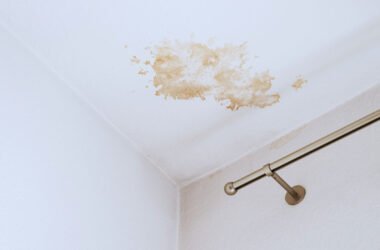
Fresh water stains are dark brown with a crisp edge , old stains are yellowed, faded, and often have a powdery calcium deposit. Run your finger over the spot. If the paint bubbles or peels away, moisture is actively trapped behind the drywall. A common mistake homeowners make is painting over a dried stain without fixing the roof. That works for about six months.
Then the new paint blisters, and you’re repainting a ceiling that’s still rotting underneath.
Musty Odors
A persistent musty smell in a room with no plumbing above is a red flag. That smell is mold metabolizing damp wood. The Insurance Institute for Business & Home Safety notes that mold growth can begin within 24 to 48 hours of a roof leak.
If you notice the odor only after rain or high humidity, the leak is likely intermittent , meaning it seals when dry and opens when wet. This is harder to find during a dry inspection, but a moisture meter ($30 at any hardware store) will confirm it instantly.
“Should you get your roof inspected after every hail storm?”
, r/Roofing, 2 upvotes, 15 comments (2025), source
The short answer: yes. Interior damage rarely announces itself loudly. By the time a stain is visible on your ceiling, the decking above it has already absorbed significant moisture. Catching it at the attic stage , before it reaches your living room , saves you from replacing both the roof deck and the drywall.
3. Storm Damage vs. Normal Wear and Tear: How to Tell the Difference
A roof nearing the end of its life and one hit by a hailstorm can look eerily similar from the ground. The difference matters for your wallet. Storm damage is typically covered by insurance. Normal wear and tear is your expense. The key is identifying which is which before an adjuster does.
“Should you get your roof inspected after every hail storm?”
, r/Roofing, 2 upvotes, 15 comments (2025), source
Age of the Roof
A 25-year-old asphalt shingle roof is expected to show granule loss, curling edges, and minor cracking. That’s aging, not an act of God. According to the Asphalt Roofing Manufacturers Association (2024), standard 3-tab shingles last roughly 20 years; architectural shingles push to 30. If your roof is past that midpoint, wear becomes the default explanation for most damage. Insurance adjusters know this.
They will check your permit history and ask for the installation date. A roof under 10 years old with sudden, widespread damage points toward a storm. The same damage on a roof over 18 years old invites skepticism.
Pattern vs. Randomness
Storm damage has a signature: concentration. Wind and hail strike one side of the roof , typically the south or west exposure in the Northern Hemisphere, where weather systems move through. You’ll see damage clustered on one slope, not spread evenly across all four. Normal wear, by contrast, is democratic. Curling shingles, cracked sealant, and granule loss appear uniformly across the entire roof, often worst on the sun-baked southern slope.
Walk around your house. If only one section looks beaten up, you’re looking at a storm event. If every side looks tired, you’re looking at age.
Curling vs. Bruising
This is where the visual test gets specific. Heat curling makes shingle edges lift upward or cup like a potato chip. The asphalt becomes brittle and the edges pull away from the felt below. Hail bruising is different. A hail strike creates a soft, dark indentation , a bruise , where the asphalt mat is compressed but not necessarily torn. You can sometimes feel it with your palm.
The granules are knocked loose in a circular pattern around the impact point. Curling is a slow process. Bruising happens in seconds. One common mistake: homeowners confuse blistering (small air pockets from manufacturing defects) with hail damage. Blisters are raised bumps that pop when pressed. Hail strikes are depressions. The distinction matters because insurance typically excludes blistering as a manufacturing defect, not storm damage.
4. The DIY Storm Damage Inspection Checklist (Printable)
Most storm damage is visible from the ground or your attic , no ladder required. This checklist walks you through a systematic inspection in under 30 minutes. Print it, grab a pair of binoculars and a flashlight, and work through each item in order. If you find any of these signs, document them before calling a pro.
Step-by-Step Checklist
-
- Gutters and downspouts. Look for shingle granules , they look like coarse black sand. A handful per downspout after one storm is normal. A continuous stream means significant shingle granule loss.
- Metal components. Check flashing around chimneys, vents, and skylights for dents, cracks, or separation. Dented vents are a classic sign of hail impact.
- Attic interior. Bring a flashlight.
Look for water stains on the roof decking, daylight peeking through nail holes or seams, and wet insulation. Dark streaks on wood signal a slow leak that may not show indoors yet.
-
- Exterior walls and ground. Walk the perimeter. Check for cracked caulk around vents, displaced gutters, and shingle fragments in your yard. Missing shingles are obvious. Loose ones lift in the wind and eventually tear off.
- Photograph everything.
Take wide shots showing the full roof slope, then close-ups of each damaged area. Include a coin or ruler for scale. These photos are your primary evidence for an insurance adjuster.
When to Stop and Call a Pro
Never climb onto a wet or steep roof. If you can’t safely reach a damaged area from a ladder, stop. The National Roofing Contractors Association (2024) recommends hiring a licensed inspector for any roof with a pitch steeper than 6/12 , that’s a 45-degree angle.
Also call a pro if you find any of these: visible sagging in the roof decking, multiple active leaks inside your home, or damage covering more than 10 percent of one roof slope. What many homeowners don’t realize: walking on hail-damaged shingles can crush already-brittle granules and turn repairable damage into a full replacement. Let a trained inspector do the walking.
“Should you get your roof inspected after every hail storm?”
, r/Roofing, 2 upvotes, 15 comments (2024), source
Short answer: yes, after storms with hail larger than 1 inch (quarter-size). Damage can take weeks to show, and delayed inspections are the top reason insurance claims get denied. One thing insurers rarely explain: most policies require you to report damage within one year of the storm date. Mark your calendar the day after any severe weather.
5. How to File a Homeowners Insurance Claim for Roof Storm Damage
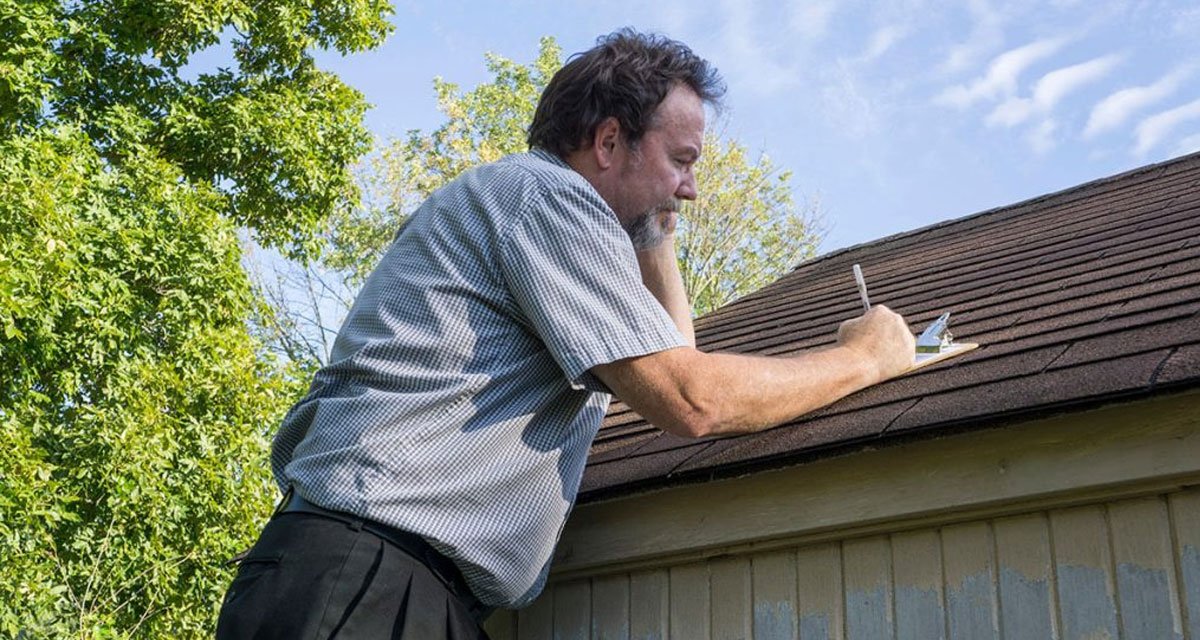
Filing a claim for roof storm damage requires organized documentation and a clear understanding of your policy’s deadlines. Most standard homeowners policies cover sudden storm damage, but the burden of proof falls on you. According to the Insurance Information Institute (2024), roughly 1 in 20 insured homes files a property claim each year, and storm-related roof damage is among the most common , and most contested , categories.
The process moves faster when you follow a specific sequence: document, stabilize, report, then meet the adjuster.
Document Everything
Before you touch a single shingle, take photos and video from multiple angles. Capture the entire roof from the ground, then zoom in on specific damage: dented flashing, missing shingles, granule piles in gutters. Open your attic and photograph any daylight peeking through the roof decking or water stains on the plywood. What many homeowners miss: a dated newspaper in the frame proves the damage was captured before repairs.
Also photograph the interior , ceiling stains, peeling paint, wet insulation. The more evidence you have, the harder it is for an adjuster to argue the damage was pre-existing wear-and-tear.
Temporary Tarping
Your insurance policy almost certainly requires you to prevent further damage. If a tree branch punched a hole or wind peeled back shingles, you need a temporary tarp or plywood patch. Keep every receipt for materials and labor. This is where a common mistake happens: homeowners assume they must wait for the adjuster before making any repairs. In practice, waiting can void coverage for secondary water damage.
The rule of thumb is simple , emergency repairs are fine, permanent repairs are not. Call a roofer for a tarp, take photos of the work, and save the invoice.
The Adjuster Visit
The adjuster works for the insurance company, not for you. That doesn’t mean they’re adversarial, but it does mean you should be prepared. Have your documentation organized: a folder with photos, receipts, and a written timeline of the storm. Walk the adjuster through the damage point by point.
If you hired a roofer for the tarp, ask them to be present during the inspection , roofers know what adjusters look for and can point out subtle signs of hail impact, like bruising on asphalt shingles or cracked flashing around vents. The adjuster will measure the roof, check for matching shingle colors, and assess whether the damage meets the policy’s threshold for replacement versus repair.
One thing adjusters rarely explain: if your roof is older than 15 years, you may only receive actual cash value (depreciated) instead of replacement cost value unless you have a specific rider.
| Step | What to Do | Common Mistake |
|---|---|---|
| Before repairs | Photo-document all damage inside and out | Waiting until after tarping |
| Emergency fix | Tarp or patch, keep all receipts | Assuming you can’t touch anything |
| Adjuster visit | Present organized evidence, bring your roofer | Letting the adjuster inspect alone |
| Policy check | Confirm ACV vs. RCV coverage | Assuming all policies pay full replacement |
Frequently Asked Questions
How do I know if my roof has storm damage?
Start with a ground-level inspection using binoculars. Look for missing shingles, dented metal flashing around chimneys or vents, and piles of dark granules in your gutters , those are crushed shingle fragments. Inside, check your attic for daylight peeking through the roof decking or fresh water stains on rafters. The National Roofing Contractors Association advises that any concentrated pattern of damage on one roof slope (especially the side facing the storm) strongly suggests hail or wind impact rather than normal aging.
What does storm damage on a roof look like?
Hail damage leaves circular dents or bruising on asphalt shingles , soft spots you can feel by hand. Wind damage typically lifts or curls shingle edges, sometimes tearing them off entirely. Flashing damage shows as bent, cracked, or separated metal around roof penetrations. A common mistake is confusing granule loss from old age with storm damage; the difference is pattern. Storm damage clusters in a defined area, while wear-and-tear spreads uniformly across the entire roof surface.
How long does it take for storm damage to show on a roof?
Some damage is immediate , missing shingles or dented flashing are visible the next morning. But hidden damage, like punctured underlayment or slow leaks at flashing seams, can take weeks or months to appear. Water may travel along roof decking before dripping onto your ceiling, so a stain in your living room might trace back to a nail hole three feet away. That delay is why roof leak detection after any severe storm is critical, even if everything looks fine from the ground.
Should I get my roof inspected after a storm?
“Should you get your roof inspected after every hail storm?”
, r/Roofing, 2 upvotes, 15 comments (2025), source
Yes , but not by just anyone. After a storm with hail larger than 1 inch in diameter or winds above 60 mph, a professional inspection is worth the cost (typically $100–$250). Many roofing contractors offer free inspections, but be cautious: some use that visit to generate repair work you may not need. A better approach is to request an inspection from your insurance company first. If they send an adjuster and find damage, your claim process starts immediately. If they find nothing, you can still hire an independent roofer for a second opinion.
Does insurance cover storm damage to roof?
Most standard homeowners policies cover wind and hail damage, but the details matter. Actual Cash Value policies deduct depreciation ,
Your Roof Won’t Fix Itself
The signs are rarely subtle once you know what to look for: missing shingles, granule loss in your gutters, flashing damage around vents, or water stains spreading across your ceiling. Ignoring them is the most expensive decision you can make. A small leak today turns into rotted roof decking and mold remediation tomorrow , costs that run thousands higher than a simple repair.
Call a licensed inspector after every major storm. Document everything with photos. File your insurance claim promptly. Most policies cover storm damage, but only if you act within the window your carrier allows. One thing homeowners consistently underestimate: how fast hidden moisture travels. That attic stain you noticed last week? It started as a pinhole leak three storms ago.