



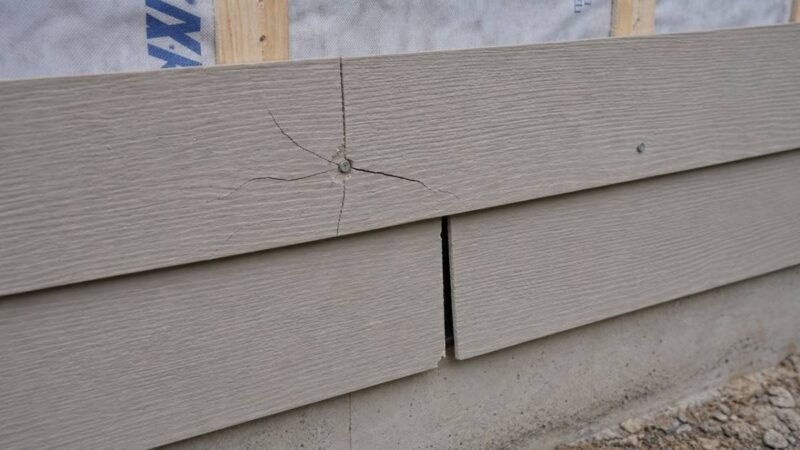
Installing cement siding is a project where the chemistry of the material dictates the paint, the caulk, and the cleaning methods. Cement siding is alkaline. The portland cement in the planks has a pH of roughly 12 to 13, comparable to household bleach. This alkalinity is what protects the cellulose fibers inside the siding from decay. It is also what causes paint to fail if the wrong paint is used, what causes standard caulk to degrade prematurely, and what produces the white powdery deposit called efflorescence on the surface of the siding. Understanding the chemistry of cement siding is not necessary to install it. Understanding the consequences of the chemistry is necessary to keep the installation looking good for more than a few years, highlights Lubbock property management.
Cement siding is the broadest category of concrete-based exterior cladding. It includes fiber cement planks, cement composite panels, and cement-based shingles and shakes. The installation techniques are the same across the category: blind nailing, one-eighth-inch gaps, flashed joints, and elastomeric caulk. The material-specific considerations are the paint, the caulk, the cleaning, and the handling of efflorescence. These are the details that are the same for every cement siding product regardless of brand.
Efflorescence: The White Powder on Cement Siding
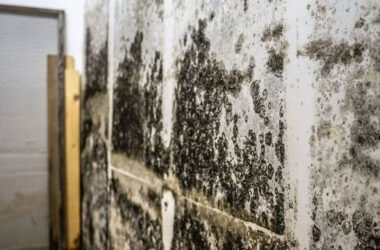
Efflorescence is a white, powdery deposit that appears on the surface of cement siding. It is caused by water moving through the cement, dissolving calcium hydroxide and other soluble salts, and depositing them on the surface as the water evaporates. Efflorescence is cosmetic. It does not damage the siding. It is also a sign that water is moving through the material in a way that it should not be. If efflorescence appears on newly installed siding, the source of the water must be identified and corrected. Common causes include: the siding was installed wet, the house wrap was not properly lapped and water is wicking behind the siding, sprinklers are hitting the wall, or the bottom edge of the siding is too close to the ground and splashback is wetting the planks.
Remove efflorescence with a dry brush or a damp cloth. Do not use acid-based cleaners, which can etch the surface. Do not use a pressure washer, which can drive water deeper into the material and make the efflorescence worse. If brushing does not remove the deposit, a solution of white vinegar and water, one part vinegar to five parts water, will dissolve the salts. Rinse thoroughly with clean water. Allow the siding to dry completely before painting. Efflorescence that appears on painted siding indicates that water is getting behind the paint film. The paint will eventually peel at that location. Fix the water source, remove the efflorescence, and repaint.
Paint and Caulk for Alkaline Surfaces
Cement siding requires paint that is compatible with an alkaline substrate. 100 percent acrylic latex exterior paint is the standard. The acrylic resin is resistant to alkali degradation. Oil-based paint, alkyd paint, and some lower-quality latex paints are not alkali-resistant and will degrade on contact with the cement surface. The paint manufacturer’s label will state whether the paint is suitable for masonry or cement surfaces. Use a paint that is labeled for masonry. The label is the guarantee.
Factory-primed cement siding has a primer that is specifically formulated for the alkaline surface. The primer is the bond coat between the cement and the finish paint. If the primer is damaged during installation, the damaged area must be re-primed with a cement-compatible primer before painting. Do not apply finish paint directly to bare cement siding. The paint will not bond properly and will peel. If the siding is factory-finished with a baked-on color coat, the finish is the manufacturer’s system and does not require additional painting. Touch up cut edges and scratches with the manufacturer’s touch-up paint.
Caulk for cement siding must be compatible with the alkaline surface and must remain flexible. Elastomeric caulk or polyurethane caulk rated for exterior use on masonry is the standard. Acrylic latex caulk with silicone additives is also acceptable if it is labeled for masonry use. Standard painter’s caulk, the inexpensive acrylic caulk sold in the paint aisle, is not durable enough for the alkaline environment of cement siding. It will crack and peel within a year. The caulk joint must be at least one-eighth of an inch wide to give the caulk enough thickness to stretch. A thin bead of caulk in a narrow joint has no stretch capacity and will fail.
Integration With Stucco and Other Cement-Based Finishes
Cement siding is often used in combination with stucco on the same house. The transition between cement siding and stucco requires a flashing and a weep screed. The stucco terminates at a metal casing bead or weep screed above the siding. The siding butts into the bottom of the stucco with a gap that allows drainage. The gap is screened or left open depending on the climate. The flashing behind the transition directs any water that penetrates the stucco out over the face of the siding.
The fasteners for cement siding near a stucco transition must be stainless steel. The lime in the stucco is highly alkaline and corrosive to standard galvanized fasteners. The fasteners within 12 inches of the stucco should be stainless. The same applies to any cement siding installed adjacent to a concrete foundation, a concrete patio, or a masonry chimney. The alkaline environment accelerates corrosion of standard fasteners.
Frequently Asked Questions
How do I prevent efflorescence on cement siding?
Keep the siding dry during storage and installation. Install a proper drainage plane behind the siding. Maintain the correct clearance above grade, a minimum of six inches. Direct sprinklers away from the wall. Paint the siding with two coats of acrylic latex paint within the manufacturer’s specified timeframe after installation. The paint seals the surface and reduces the movement of water through the material. Efflorescence that appears despite these measures is usually from a specific water source, a leaking gutter, a misdirected sprinkler, that can be identified and corrected.
Why does paint peel off cement siding?
Paint peels for three reasons on cement siding. One: the wrong paint was used. Oil-based and non-alkali-resistant paints degrade on contact with the alkaline cement surface. Two: the siding was dirty or wet when painted. Construction dust, efflorescence, and moisture on the surface prevent adhesion. Three: water is getting behind the paint film from the back side of the siding, usually from a drainage problem. The paint peels because the water pressure behind the film is greater than the adhesion of the paint to the surface. Fix the drainage problem, remove the loose paint, clean the surface, and repaint with acrylic latex.
How do I clean cement siding?
Wash with a garden hose and a soft brush. Use a mild detergent if needed. Do not use a pressure washer. The high-pressure water can damage the surface, drive water behind the siding, and force water into the wall assembly. Do not use acid-based cleaners. Do not use abrasive cleaners. Cement siding is durable but its surface can be etched by harsh chemicals. A soft brush, mild soap, and a garden hose will clean most dirt and pollen from the surface.
The Bottom Line
Cement siding is an alkaline material that requires alkali-resistant paint, elastomeric caulk, and gentle cleaning. Efflorescence is a cosmetic sign of water movement and is corrected by fixing the water source. The paint must be acrylic latex labeled for masonry. The caulk must remain flexible and be at least one-eighth of an inch thick in the joint. The cleaning is done with a soft brush and a garden hose, never a pressure washer. Cement siding is durable, fireproof, and permanent when installed with the right materials. The wrong paint, the wrong caulk, or a pressure washer can damage the surface in ways that are expensive to fix. Use the right materials from the start.