


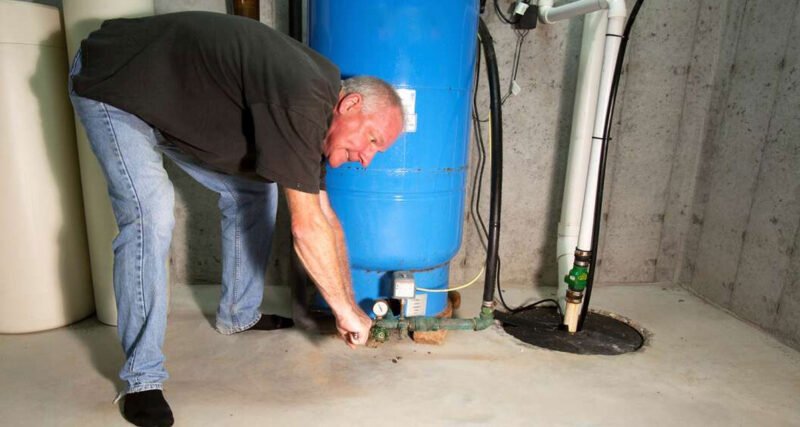
A well pump rarely dies without warning. Dropping pressure, odd noises, sputtering faucets, and spikes in your electric bill all show up weeks or months before a full breakdown. Catching these signs early can save you thousands in emergency repairs says Grand Prairie Management.
About 43 million Americans depend on private wells for their household water, according to the U.S. Environmental Protection Agency. Most of those homeowners never inspect the pump until the day water stops flowing. By then, the fix is usually more expensive and more disruptive than it needed to be.
The seven warning signs below cover every stage of pump failure, from the subtle first clues to the unmistakable red flags. Each section includes what the symptom actually means, what you can check yourself, and when to call a professional.
Dropping Water Pressure
A gradual loss of water pressure is the most common early warning that your well pump is struggling. Normal household well pressure sits between 40 and 60 PSI. When readings drop below 30 PSI consistently, the pump is no longer building adequate pressure.
You can check this yourself with a simple pressure gauge threaded onto the hose bib closest to your pressure tank. Run a faucet for 30 seconds, then read the gauge. If the number falls steadily and the pump doesn’t kick on to restore it, the pump motor or the pressure switch may be failing.
Low pressure can also result from a clogged sediment filter or a partially closed valve, so rule those out first. But if filters are clean and valves are open, the pump is the next suspect.
A shower that takes twice as long to rinse shampoo, a garden hose that barely reaches across the yard. These small frustrations tend to build so slowly that homeowners adjust their habits rather than investigate the cause.
Strange Noises From the Pump or Pressure Tank
Clicking near the pressure switch, grinding from the pump, or rapid on-off cycling all point to specific mechanical failures. A healthy pump runs quietly enough that most homeowners forget it exists.
Different sounds signal different problems. The table below maps common noises to their likely causes.
| Noise Type | Where You Hear It | Likely Cause |
|---|---|---|
| Rapid clicking | Near the pressure switch | Failing pressure switch or low tank pressure |
| Grinding or screeching | From the well casing | Worn pump bearings |
| Constant humming (no water flow) | Near the well head or breaker panel | Seized motor or bad start capacitor |
| Banging (water hammer) | Inside the house pipes | Check valve failure or waterlogged pressure tank |
If you hear grinding, shut the breaker off immediately. Running a pump with failed bearings can burn out the motor within hours, turning a $200 bearing replacement into a $1,500 pump swap.
Sputtering Faucets and Air in the Lines
Air bursts from your faucets mean the pump is pulling air instead of water. This typically happens when the water table drops below the pump intake, a crack opens in the drop pipe, or the pump seal degrades.
Seasonal drought is the most frequent trigger. The National Ground Water Association notes that private well water levels fluctuate with regional precipitation patterns, and extended dry spells can temporarily lower the water table enough to expose the pump intake to air.
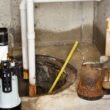
“After battling well pump issues for weeks, I discovered the root of the problem…pics tell the story”
— r/HomeImprovement, 191 upvotes, 49 comments (2019), source
A well that ran perfectly for a decade, suddenly coughing and spitting at every faucet. That kind of shift catches homeowners off guard precisely because the system worked silently for so long.
Pump Runs Constantly or Short-Cycles
A pump that never shuts off or kicks on every few seconds is working far harder than it should. Short-cycling usually points to a waterlogged pressure tank, a failing check valve, or a leak somewhere in the supply line between the well and the house.
A properly charged pressure tank holds an air bladder that cushions pressure swings. When that bladder ruptures, the tank fills with water and loses its buffer. The pump then cycles on and off rapidly because there is nothing to maintain steady pressure between cycles.
“My well pump is running every minute, checked the pressure tank and shut-off main to house and pump check valve might have gone bad.”
— r/Plumbing, 1 upvote, 13 comments (2023), source
Check your electric bill. A pump that short-cycles can draw two to three times its normal power. If your usage jumped 15-20% with no other explanation, the pump is a prime suspect.
Dirty, Sandy, or Discolored Water
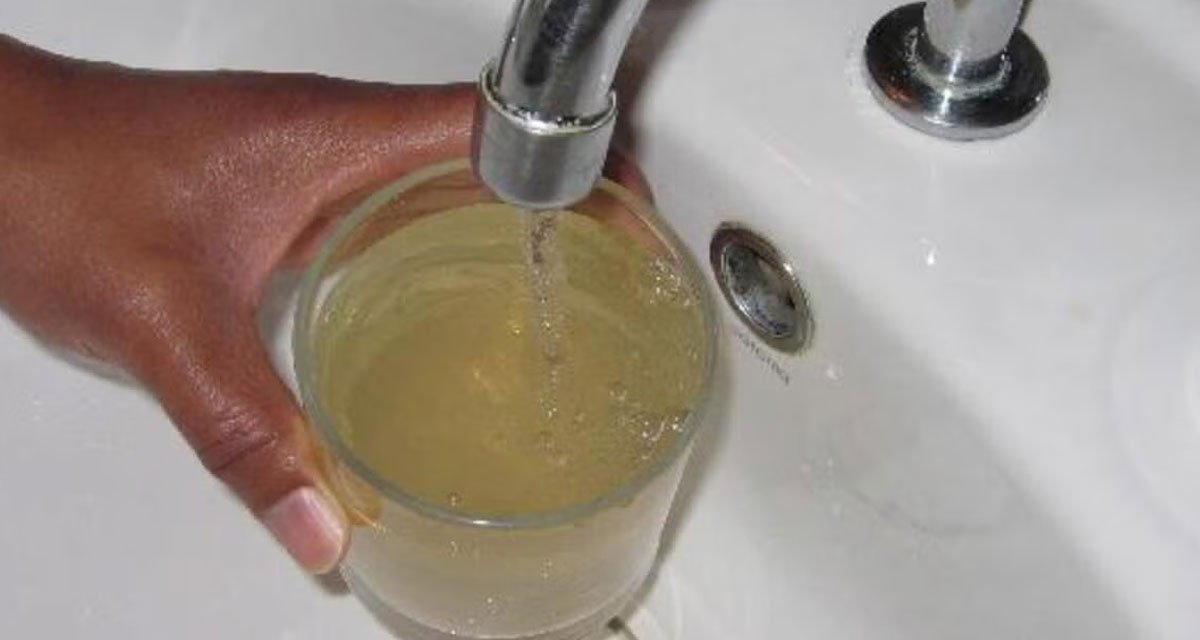
Sediment or discoloration in your water usually means the pump is sitting too low in the well or the intake screen has deteriorated. Sand in the lines wears down valves, faucet cartridges, and appliance components over time.
Brown or rust-colored water can indicate corroding well casing or iron bacteria, which thrive in some groundwater conditions. A sudden onset of sediment in a system that previously ran clear is more alarming than a gradual change, because it often means a screen or fitting has physically broken.
If the water clears after running the tap for a minute, the sediment is likely settling in the pipes during idle periods. If it stays dirty, the source is either the well itself or a failing pump component.
Repair vs. Replace: Cost and Lifespan Guide
Most well pump repairs run between $300 and $800, while a full replacement costs $1,000 to $2,500 depending on pump type and well depth. Knowing which option makes financial sense depends on the pump’s age and the nature of the failure.
| Factor | Repair | Replace |
|---|---|---|
| Typical cost | $300 – $800 | $1,000 – $2,500+ |
| Best for pump age | Under 10 years | Over 12-15 years |
| Submersible pump lifespan | 8 – 15 years (average) | |
| Jet pump lifespan | 10 – 20 years (average) | |
| When to choose | Single component failure, pump under 10 years | Multiple issues, pump over 12 years, repeated service calls |
The U.S. Department of Energy recommends replacing well pumps that require more than two major service calls within a three-year period, as cumulative repair costs typically exceed replacement cost at that point.
“Well pump dies = WHOLE new well??”
— r/homeowners, 73 upvotes, 66 comments (2023), source
A dead pump does not mean you need a new well. The well itself, the borehole and casing, usually outlasts multiple pumps. Replacing just the pump and associated hardware is the standard fix in the vast majority of cases.
Frequently Asked Questions
How long does a well pump last?
Most submersible well pumps last 8 to 15 years, while above-ground jet pumps typically run 10 to 20 years. Factors like water quality, cycling frequency, and proper sizing influence the actual lifespan. Annual inspections and maintaining correct pressure tank charge help maximize pump longevity.
Can a bad pressure tank mimic a failing well pump?
Yes. A waterlogged pressure tank causes rapid pump cycling, pressure fluctuations, and sputtering faucets, all symptoms that look identical to pump failure. Tapping the tank can help distinguish: a healthy tank sounds hollow near the top and solid near the bottom, while a waterlogged tank sounds solid throughout.
Is it worth repairing a 15-year-old well pump?
Generally, no. A 15-year-old submersible pump is near or past its expected service life. Spending $500-$800 on a repair only to need a full replacement within a year or two makes the repair a poor investment. Replacement provides a fresh warranty and modern efficiency.
What should I do if my well pump stops working completely?
First, check the circuit breaker. A tripped breaker is the simplest explanation and costs nothing to fix. If the breaker is fine, check the pressure switch and the pressure gauge reading. If neither reveals an obvious cause, call a licensed well pump technician. Avoid resetting the breaker repeatedly, as this can damage a motor that tripped for a reason.
Staying Ahead of Well Pump Failure
Most pump failures announce themselves long before the water actually stops. Low pressure, odd sounds, sputtering taps, short-cycling, and sediment in the lines are all signals worth investigating promptly. Schedule an annual well system inspection, keep a written log of any changes you notice, and address small issues before they escalate into emergency calls. A proactive approach almost always costs less than a reactive one.