

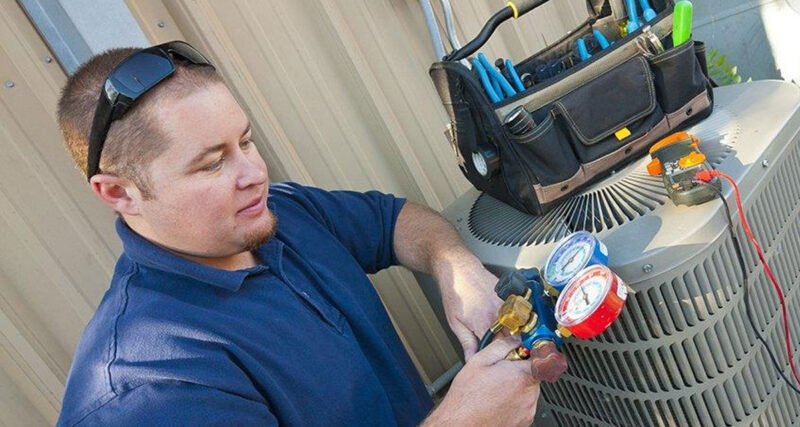
The most common signs your HVAC system needs maintenance include unusual noises, rising energy bills, weak airflow, and short cycling, explains Keyrenter West Seattle Management. Catching any one of these early can mean the difference between a $150 tune-up and a $2,000+ emergency repair.
According to the U.S. Department of Energy (2023), poorly maintained HVAC systems consume 5-20% more energy each year. That hidden cost adds up fast. A system running at 80% efficiency in a home that pays $200 monthly for heating and cooling wastes $240 to $480 annually on energy alone.
Most of these warning signs are easy to spot once you know what to look for. Here are the ones that matter most.
Unusual Noises That Signal Trouble
Grinding, squealing, banging, or rattling from your HVAC unit almost always points to a mechanical failure in progress. Ignoring these sounds does not make them go away. It makes the repair bill grow.
A high-pitched squeal usually means a worn blower belt or a motor bearing losing lubrication. Grinding suggests metal-on-metal contact inside the blower assembly. Banging or clanking often traces back to a loose blower wheel or a broken connecting rod in the compressor.
| Noise Type | Likely Cause | Urgency |
|---|---|---|
| Squealing | Worn belt or dry motor bearings | Schedule service within 1 week |
| Grinding | Metal-on-metal in blower motor | Turn off and call immediately |
| Banging / Clanking | Loose blower wheel, broken rod | Turn off and call immediately |
| Rattling | Loose screws, debris in ductwork | Inspect within 2 weeks |
| Hissing | Refrigerant leak or duct gap | Schedule service within 3 days |
A rattling blower at 2 a.m. sounds exactly like someone shaking a tin can full of bolts. It gets louder every night you put off the call.
Strange Smells Coming From Your Vents
A musty, burning, or rotten-egg smell from your HVAC vents signals a problem that goes beyond comfort. Each odor type points to a specific issue, and some require immediate action for safety reasons.
Musty or moldy smells typically mean moisture buildup inside the ductwork or on the evaporator coil. The American Society of Heating, Refrigerating and Air-Conditioning Engineers (ASHRAE) notes that damp HVAC components create ideal conditions for mold and bacterial growth, which can degrade indoor air quality and trigger respiratory symptoms.
A burning or electrical smell when the system first starts after months of inactivity is often dust burning off the heat exchanger. If it persists beyond 30 minutes, the cause is likely an overheating motor or a wiring issue. A sulfur or rotten-egg smell near a gas furnace warrants shutting the system off immediately and calling your gas utility, as it may indicate a gas leak.
Rising Energy Bills Without Explanation
A sudden 15-25% spike in your heating or cooling costs, with no change in usage habits or utility rates, is one of the clearest signals your HVAC system is losing efficiency. The system still runs. The house still cools. But the bill tells a different story.
The Department of Energy estimates that neglected maintenance drives energy consumption up by 5-20% per year. Dirty filters force the blower to work harder. Clogged evaporator coils reduce heat transfer. Low refrigerant makes the compressor cycle longer. Each of these problems compounds quietly until the utility bill arrives.
“Does HVAC Maintenance REALLY Make a Difference??”
— r/hvacadvice, 136 upvotes, 201 comments (2025), source
The short answer to that Reddit question: yes. According to the DOE, preventive maintenance can reduce energy costs by 5-20% and cut the risk of major breakdowns by up to 95% (based on commercial preventive maintenance data from ABM, 2024).
Weak Airflow and Uneven Temperatures
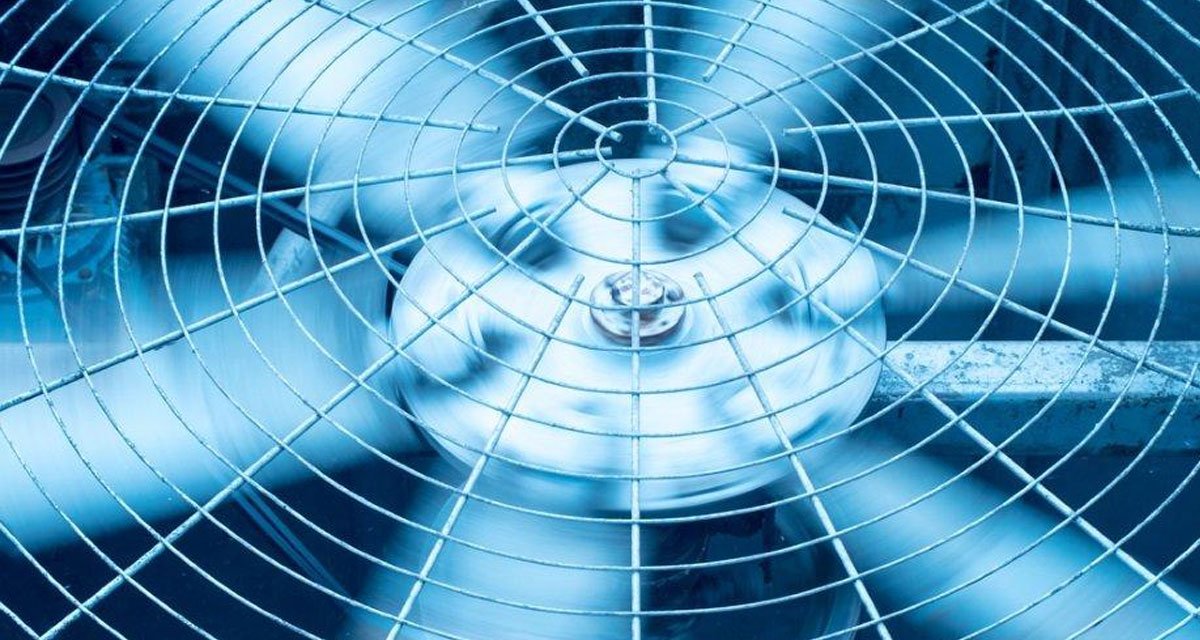
Rooms that stay too hot or too cold while the system runs constantly point to clogged filters, leaking ductwork, or a failing blower motor. This is the most common maintenance-related complaint HVAC technicians hear.
A dirty filter is the cheapest and most frequent culprit. Standard 1-inch filters should be replaced every 30-90 days, depending on pets, allergies, and dust levels. When a filter clogs, the blower cannot push enough air through the system, and the evaporator coil may freeze over.
Duct leaks are harder to detect but just as damaging. ENERGY STAR estimates that typical homes lose 20-30% of conditioned air through holes, gaps, and poorly connected ducts. That means roughly a quarter of the energy your system uses never reaches the rooms you are trying to heat or cool.
“How often do you get your HVAC ‘maintained’?”
— r/hvacadvice, 26 upvotes, 115 comments (2023), source
On r/hvacadvice, a community of HVAC professionals and homeowners, the consensus from that 115-comment thread leans toward at least one professional visit per year, with filter changes every 1-3 months handled by the homeowner.
Short Cycling and Constant Running
An HVAC system that kicks on and off every few minutes, or runs nonstop without reaching the thermostat setting, is under mechanical stress that shortens its lifespan by years. Both patterns indicate the system cannot maintain the desired temperature efficiently.
Short cycling often traces to an oversized unit, a malfunctioning thermostat, or a refrigerant leak. The system reaches a partial temperature, shuts down prematurely, then restarts minutes later. Each startup draws the highest electrical load of the entire cycle, driving up both energy costs and wear on the compressor.
Constant running may signal a dirty evaporator coil, blocked condenser, or a system that has simply lost enough refrigerant to reduce its cooling capacity below what the space demands.
Most homeowners wait until the system dies in the middle of July to call a technician. By then, emergency service rates apply and wait times stretch past 48 hours in most metro areas.
When to Repair vs. Replace Your HVAC System
If your HVAC system is over 10 years old and the repair estimate exceeds 50% of a new unit’s cost, replacement almost always makes better financial sense. Newer systems also run significantly more efficiently, which offsets the upfront investment over time.
| Factor | Lean Toward Repair | Lean Toward Replacement |
|---|---|---|
| System age | Under 10 years | Over 15 years |
| Repair cost | Under $500 | Over 50% of new unit cost |
| Efficiency (SEER) | SEER 14+ | SEER 10 or below |
| Refrigerant | R-410A (current standard) | R-22 (phased out by EPA in 2020) |
| Repair frequency | First major repair | 3+ repairs in past 2 years |
Systems still running on R-22 refrigerant face a unique deadline. The EPA completed its phaseout of R-22 production and import in January 2020. Remaining stock is limited and expensive, often $100-$150 per pound. A system that needs a 5-pound recharge now costs $500-$750 just for the refrigerant, before labor.
“Let’s Compare – What did you pay to replace your home’s HVAC when the old system died??”
— r/raleigh, 33 upvotes, 92 comments (2025), source
That r/raleigh thread, with 92 responses from homeowners sharing actual replacement costs, shows a wide range depending on system type, home size, and region. On average, HVAC repairs range from $150 to $600, while full system replacements typically run $5,000 to $12,000 (Sunset Air, 2026).
Frequently Asked Questions
How often should I get HVAC maintenance?
Schedule professional maintenance twice a year: once in spring before cooling season and once in fall before heating season. Between visits, replace your air filter every 30-90 days depending on household dust levels, pets, and allergies.
How long does an HVAC system last?
A well-maintained central air conditioner lasts 15-20 years, a gas furnace 15-25 years, and a heat pump 10-15 years. Skipping regular maintenance can cut those lifespans by 30-40%, according to HVAC industry benchmarks.
Can I do basic HVAC maintenance myself?
Yes, for filter changes, clearing debris around outdoor units, and checking thermostat batteries. Anything involving refrigerant, electrical wiring, or gas connections requires a licensed technician. EPA regulations require certification to handle refrigerants.
What does professional HVAC maintenance include?
A standard tune-up covers filter replacement, evaporator and condenser coil cleaning, refrigerant level check, thermostat calibration, electrical connection inspection, and drain line clearing. Most visits take 60-90 minutes and cost $75-$200.
Why is my energy bill suddenly higher?
The most common HVAC-related causes are dirty air filters restricting airflow, refrigerant leaks forcing longer run cycles, and duct leaks losing 20-30% of conditioned air. Rule out utility rate changes first, then schedule a system inspection.
Conclusion
Strange noises, rising bills, weak airflow, and short cycling are not minor inconveniences. They are early warnings that a small maintenance issue is turning into an expensive breakdown. The DOE data is clear: preventive maintenance saves 5-20% on energy costs and dramatically reduces the chance of a full system failure.
The best time to schedule a tune-up is before peak season. Call an HVAC technician in early spring for your cooling system or early fall for your furnace. A $100-$200 inspection now beats a $2,000+ emergency call in August.