

Most manufacturers recommend changing your HVAC filter every 30 days. Most homeowners can safely stretch that to 90 days with a standard 1-inch pleated filter. The real answer depends on your filter type, how many people (and pets) live in your home, and whether anyone has allergies or respiratory conditions, explains Lincoln Park Property Management. Here’s the exact schedule for your situation.
The Short Answer: How Often Most Homes Need to Change Their HVAC Filter
For a typical home with a 1-inch disposable filter and two occupants, changing every 90 days is sufficient. If you have pets, plan on every 60 days — or every 30-45 days if you have multiple pets. Thicker filters (4-5 inches) can last 6-12 months. The most common mistake is buying a cheap fiberglass filter and leaving it in place for months, which offers almost no filtration.
On Reddit’s r/Home forum, one of the most upvoted threads on this topic captures the confusion well:
“How often do you actually change your HVAC filter?”
— r/Home, 16 upvotes, 134 comments (2026), source
One hundred and thirty-four comments on a question that seems like it should have a simple answer. That alone tells you the 30-day rule doesn’t fit every home.
What Actually Determines How Often You Should Change It?
The answer to how often should HVAC filters be changed depends on five specific factors: your filter type and thickness, household size, whether you have pets, allergy conditions, and the season. Each variable shifts the ideal change window from 30 days to 12 months. Here is how each one affects the timeline.
Filter Type & Thickness
Not all filters are built the same. A 1-inch fiberglass filter catches only large particles and clogs slowly — but it also filters poorly, letting microscopic dust recirculate. A 1-inch pleated filter with MERV 8 catches significantly more but also restricts airflow more and clogs faster. A 4-inch or 5-inch media filter has much more surface area and can last 6-12 months regardless of MERV rating.
Pets Change Everything
One medium-to-large shedding dog effectively doubles the particle load on your filter. Cat dander is lighter and stays airborne longer, which means it loads filters differently. If you have one pet, change your filter every 60 days. Two or more pets? Every 30-45 days during shedding season, every 60 days otherwise.
A Reddit user on r/DIY described the exact moment they learned this lesson:
“I have a 70lb dog and a cat, and went 4 months without checking. The filter was completely brown. I felt terrible.”
— r/DIY, 69 upvotes, 66 comments (2025), source
Allergies & Respiratory Conditions
If anyone in the home has asthma, allergies, or COPD, you should change the filter every 30-60 days regardless of what the calendar says. A dirty filter forces allergens to bypass filtration and recirculate. For these households, MERV 11 or higher is recommended, but make sure your system can handle the airflow restriction — higher MERV filters put more strain on the blower motor.
Household Size & Occupancy
More people means more skin flakes, more dust from clothes, more cooking particles, and more overall load on the filter. A family of four with no pets should change every 60-90 days. A single occupant in a clean home can push to 90-120 days with a pleated filter.
Seasonal Factors
Summer puts the most load on your filter because the AC runs long cycles, pulling more air through the system. Winter is moderate — shorter cycles, drier air. Spring and fall are the lightest seasons, unless pollen or wildfire smoke is heavy in your area. During wildfire season, check your filter every two weeks and replace as soon as it shows discoloration.
Here’s the cheat sheet for filter change frequency by household:
| Household Type | 1-inch Fiberglass | 1-inch Pleated (MERV 8) | 4-inch Media Filter |
|---|---|---|---|
| Single, no pets | Every 30 days | Every 90 days | Every 6-12 months |
| Couple, no pets | Every 30 days | Every 60-90 days | Every 6-12 months |
| Family of 4, no pets | Every 30 days | Every 60 days | Every 6 months |
| 1 pet (dog or cat) | Every 30 days | Every 45-60 days | Every 6 months |
| 2+ pets | Every 20-30 days | Every 30-45 days | Every 3-6 months |
| Allergies / asthma | Not recommended | Every 30-60 days | Every 3-6 months |
How to Tell Your Filter Needs Changing (Even Before the Calendar Says So)
You don’t need to mark a calendar to know when your HVAC filter is due. Your HVAC system tells you when it needs changing through three specific signals that are more reliable than a date on the box. Watch for these signs between scheduled changes.
The Sight Check
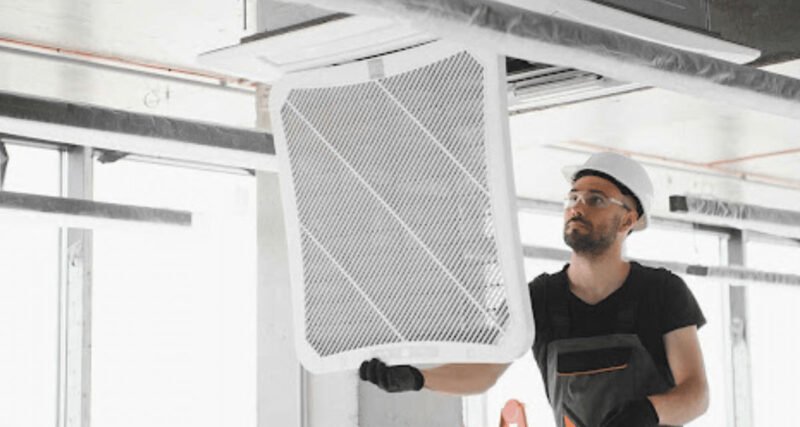
Pull the filter out once a month and hold it up to a light. If you can’t see light through it, replace it. If the side facing the return vent has a visible layer of dust or discoloration covering more than half the surface, replace it. If you see pet hair matted into the fibers, replace it.
The Energy Bill Clue
According to the U.S. Department of Energy, replacing a clogged filter can reduce your HVAC energy consumption by 5-15%. If your monthly energy bill creeps up by $15-30 without a rate change, your filter is a likely culprit. For a typical home running central AC, that’s roughly $100-200 a year in unnecessary costs just from filter neglect.
The System Behavior Signal
When a filter is clogged, the system has to work harder to pull air through it. You’ll notice rooms take longer to reach temperature, the system runs longer cycles, or you hear a whistling sound from the return vent. In extreme cases, ice forms on the evaporator coil because restricted airflow prevents proper heat exchange. You probably walked past your filter access panel a dozen times before you finally checked — and when you pulled it out, you realized it had been due for weeks.
MERV Ratings: Choosing the Right Filter for Your Home
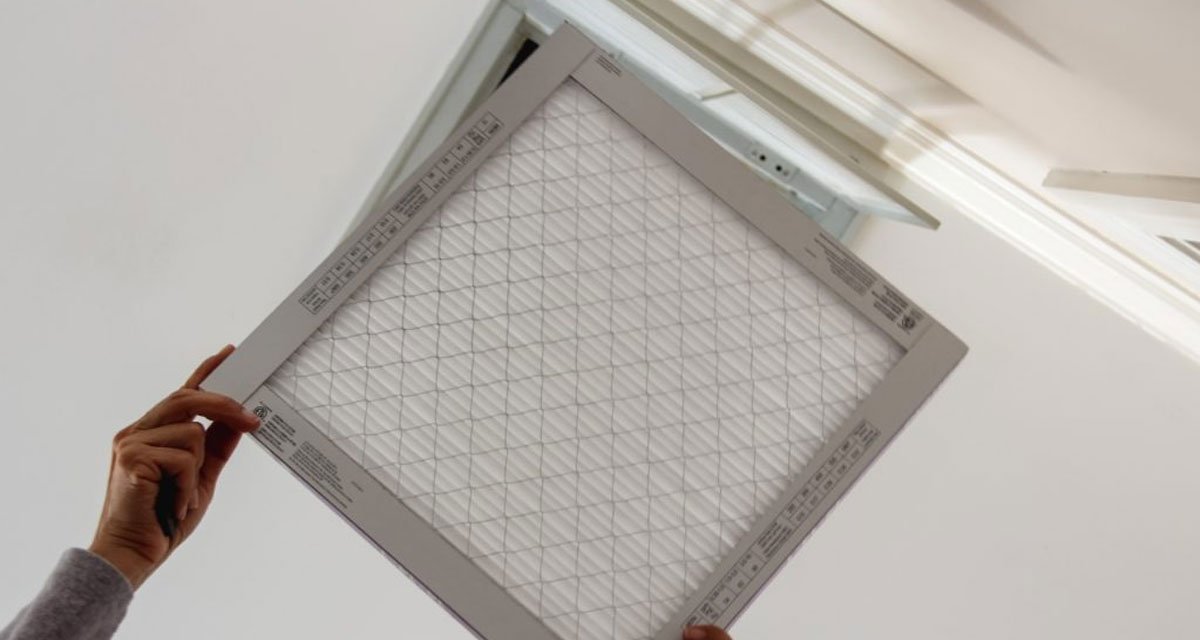
MERV (Minimum Efficiency Reporting Value) is the industry standard for filter efficiency. The scale runs from 1 to 16, with higher numbers catching smaller particles. But higher is not always better for your specific setup. Sound familiar? The same logic applies to how often should HVAC filters be changed vs what filter you should choose.
| MERV Range | Catches | Best For | Average Lifespan | Airflow Impact |
|---|---|---|---|---|
| 1-4 (Fiberglass) | Lint, dust mites, pollen | Minimum protection, rentals | 30 days | Low |
| 5-8 (Basic Pleated) | Mold spores, pet dander, dust | Most homes, the sweet spot | 60-90 days | Low to moderate |
| 9-12 (Better Pleated) | Lead dust, fine particles, auto emissions | Allergy households, urban areas | 60-90 days | Moderate |
| 13+ (Premium) | Bacteria, smoke, viruses | Medical-grade needs, severe allergies | 30-60 days | High, check system compatibility |
The Airflow Trade-off
Many homeowners assume a MERV 13 filter is automatically better. But if your HVAC system wasn’t designed for that level of restriction, a high-MERV filter reduces airflow enough to freeze the evaporator coil in summer or overheat the heat exchanger in winter. Stick with the manufacturer’s recommended MERV rating, usually MERV 8, unless you’ve verified your system can handle higher. You can always add a standalone HEPA air purifier in rooms where allergies are worst.
Seasonal HVAC Filter Change Schedule
Instead of tracking days on a calendar, align how often should HVAC filters be changed with the four seasons. Each season places different demands on your system, and syncing your filter changes to seasonal transitions makes the habit automatic. Here is the seasonal breakdown.
- Spring (March-May): Change before the first warm day. Pollen season starts early. If you live in a high-pollen area, check again mid-season.
- Summer (June-August): Change at the start of summer and again in mid-July if you’re running AC daily. Summer is the heaviest filter-loading season.
- Fall (September-November): Change before turning on the heat. Falling leaves and dry air increase dust load. If you live in wildfire territory, check every two weeks.
- Winter (December-February): Change once mid-season. Closed windows mean more recirculated air, so indoor-generated particles (cooking, pet dander) build up faster.
One homeowner on r/hvacadvice asked a question many people wonder about thicker filters:
“How often should I change my 4-inch HVAC filter?”
— r/hvacadvice, 6 upvotes, 7 comments (2022), source
The answer most HVAC techs gave: 6-12 months for a 4-inch media filter, but check it at 6 months and replace if it looks loaded.
Wildfire Season & Smoke Events
During wildfire season or any heavy smoke event, your filter acts as a first line of defense. If you smell smoke indoors, the filter is already saturated. Replace it immediately and consider buying a MERV 13 filter specifically for smoke events, just switch back to your standard MERV 8 after the smoke clears to avoid year-round airflow issues.
What Happens If You Don’t Change Your Filter?
Neglecting how often should HVAC filters be changed leads to three distinct problems: rising energy costs, component damage, and degrading indoor air quality. A dirty filter does not quietly degrade, it actively damages your HVAC system through these mechanisms.
Energy waste. The DOE estimates a clogged filter can increase energy consumption by 5-15%. For a typical home spending $200/month on heating and cooling, that’s $10-30 a month in waste. Over a year, that’s a full set of filters plus several months of electricity.
System damage. Restricted airflow forces the blower motor to work harder, running hotter and wearing out bearings faster. On the cooling side, low airflow causes the evaporator coil to drop below freezing, forming ice that blocks airflow further. On the heating side, a heat exchanger can overheat and crack, a $1,500-2,500 repair, and a safety hazard if carbon monoxide leaks.
Air quality collapse. When a filter reaches maximum capacity, particles bypass it entirely and recirculate through the ductwork. A home with a visibly dirty filter has measurably higher airborne particulate levels. For anyone with respiratory conditions, this creates a low-grade exposure day after day.
One HVAC technician described pulling a filter so clogged it was solid enough to use as a kickball. That’s not hyperbole, severely clogged filters have been known to collapse inward into the ductwork, requiring professional extraction.
FAQ, HVAC Filter Change Questions
Can I clean and reuse a disposable filter?
No. Disposable fiberglass and pleated filters cannot be cleaned effectively. Vacuuming or washing them damages the fibers and reduces filtration efficiency. Replace disposable filters; buy washable electrostatic filters if you want a reusable option.
Is a higher MERV always better?
No. A filter with a MERV rating higher than your system can handle restricts airflow, reduces efficiency, and can damage the blower motor and evaporator coil. Stick with the manufacturer’s recommended MERV rating, typically MERV 8 for residential systems.
How often should I change a 4-inch filter?
Every 6-12 months. Four-inch media filters have much more surface area than 1-inch filters, so they last significantly longer. Check them at 6 months and replace when visible dust covers the intake face.
Does running the fan continuously mean more frequent changes?
Yes. If you keep your HVAC fan set to “ON” instead of “AUTO,” the filter runs 24/7 instead of only during heating or cooling cycles. Expect filter life to decrease by roughly half, change a 90-day filter every 45-60 days.
Should I change filters more often in summer vs winter?
Yes. Summer AC runs longer cycles, pulling more air through the filter. Summer also brings higher humidity, which loads filters faster. Change more frequently in summer, every 30-45 days instead of every 60-90.
What’s the cheapest way to buy HVAC filters?
Buy in bulk (6- or 12-packs) from big-box stores or online retailers. Subscribe-and-save programs often offer 10-15% discounts. Avoid ultra-cheap fiberglass filters, they cost less upfront but offer negligible filtration and need changing twice as often.
What’s the best filter for allergies?
A MERV 11-13 pleated filter, assuming your system can handle the airflow restriction. For severe allergies, pair a MERV 8 in the HVAC system with a standalone HEPA air purifier in the bedroom, this gives you high filtration without straining the HVAC blower.
Are washable HVAC filters worth it?
Washable electrostatic filters cost more upfront ($20-40 each) but can last 5+ years if cleaned every 1-2 months. They have moderate MERV ratings (around 6-8) and are good for budget-conscious households. The trade-off: they must dry completely before reinsertion, or mold can grow on them.
The One Thing Your HVAC System Needs From You
Changing your HVAC filter is the single cheapest maintenance you can do for your home’s biggest energy consumer. A 3-pack of MERV 8 pleated filters costs about $15-25. Ignoring them costs $100-200 a year in wasted energy plus the risk of a $500-2,500 repair. Set a recurring reminder for every 90 days. Pull the filter out. Hold it up to the light. If you can see through it, put it back. If you can’t, replace it. That’s the entire system. Changing your filter doesn’t just save money, it’s the one thing keeping your HVAC alive between annual tune-ups.