


If you buy a 30-year asphalt shingle roof, you should expect somewhere between 18 and 25 years of actual service, and that’s if the installation was flawless and the weather cooperates. The gap between what the warranty promises and what the shingles deliver is one of the most expensive misunderstandings in homeownership, notes Liberty Real Estate in Richmond Hill.
That gap exists because shingles don’t fail on a calendar. They fail when heat, moisture, and poor ventilation conspire to break them down. A roof in Phoenix fails differently than one in Seattle, and a roof nailed by a rushed crew fails years before one installed with precision.
This guide breaks down the real-world lifespan of asphalt shingles: by type, by climate, and by the installation decisions that actually matter. You’ll get the numbers for 3-tab, architectural, and premium shingles, the specific signs of failure (curling shingles, granule loss in your gutters, thermal cracking in the attic), and a practical inspection framework to decide whether your roof has years left or needs replacement now. No manufacturer hype.
No guesswork. Just the data homeowners and inspectors actually need.
Average Lifespan by Asphalt Shingle Type
The answer to “how long does an asphalt shingle roof last” depends almost entirely on which type you install. Three-tab shingles typically deliver 15–20 years of service. Architectural (dimensional) shingles average 25–30 years. Premium luxury shingles can reach 30–50 years under ideal conditions. Here is the real-world breakdown. Warranty numbers and actual performance are rarely the same thing.
3-Tab Shingles (15–20 Years)
These are the budget option. They are lighter, flatter, and cheaper per square than any other asphalt shingle. In practice, 3-tab shingles fail earlier because they have a single layer of asphalt and a thinner fiberglass mat. Wind uplift tears them more easily. Granule loss accelerates after year 12. By year 18, most roofs with 3-tab shingles show visible curling or cracking.
Manufacturer warranties often promise 20–25 years, but those warranties are prorated, so you get pennies back after year 10. A common mistake is assuming the warranty equals the lifespan. It does not.
Architectural (Dimensional) Shingles (25–30 Years)
This is the most common choice for residential roofs today. Architectural shingles use a laminated design with two asphalt layers bonded together. The extra thickness provides better wind resistance and a textured appearance. Real-world lifespan falls around 25–30 years, though proper roof ventilation and moderate climate can push it past 30. What many homeowners don’t realize: the 30-year warranty on architectural shingles assumes perfect installation and ideal conditions.
One poorly sealed seam or a ridge vent installed upside down can cut 5–7 years off that number. Thermal cracking is the primary failure mode in hot climates; granule loss dominates in coastal areas.
Premium/Luxury Shingles (30–50 Years)
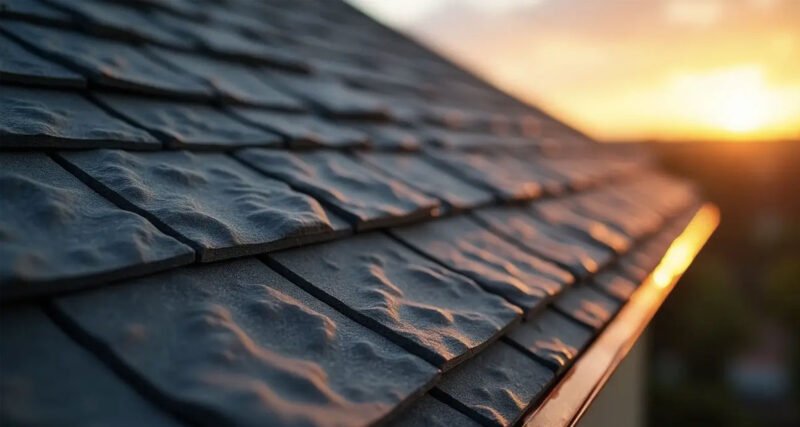
Premium shingles are the heaviest option, sometimes called “laminated luxury” or “multi-layer” shingles. They mimic the look of slate or cedar shakes with deep shadow lines and irregular cut patterns. These shingles use thicker asphalt coatings, larger ceramic-coated granules, and reinforced matting. The result: enhanced resistance to hail impact, wind uplift up to 130 mph, and thermal cycling.
In controlled field tests, premium shingles have lasted 40+ years in temperate zones. But there is a catch — the 50-year warranty is almost always non-prorated for the first 25 years, then steeply declines. By year 40, the payout is near zero. And if attic ventilation is poor, even a premium roof can fail at year 28.
| Shingle Type | Real-World Lifespan | Typical Warranty | Common Failure |
|---|---|---|---|
| 3-Tab | 15–20 years | 20–25 years (pro-rated after yr 10) | Curling, granule loss, wind uplift |
| Architectural | 25–30 years | 30 years (pro-rated after yr 12) | Thermal cracking, seal strip failure |
| Premium/Luxury | 30–50 years | 50 years (non-prorated first 25 yrs) | Attic ventilation failure, hail impact |
5 Critical Factors That Shorten Roof Life
The difference between a roof that lasts 15 years and one that lasts 30 often comes down to five controllable factors. Climate, installation quality, ventilation, underlayment choice, and maintenance habits can each shave 5–15 years off your roof’s expected lifespan. Here is where things go wrong.
Climate & Geography (Hail, Heat, Humidity)
Extreme weather is the fastest path to premature failure. According to the Asphalt Roofing Manufacturers Association (2024), hail impact alone causes over $2.5 billion in residential roof damage annually in the United States. In regions with frequent hailstorms, granule loss accelerates dramatically , shingles can lose 40% of their protective granules within 8–10 years, leaving the asphalt exposed to UV degradation.
Heat is equally destructive. When attic temperatures exceed 140°F in summer, asphalt shingles undergo thermal cracking , tiny fissures that widen over freeze-thaw cycles. Coastal humidity promotes algae and moss growth, which lifts shingle edges and traps moisture against the deck. A roof in Phoenix faces different threats than one in Seattle, but both climates shorten life if unaddressed.
Poor Ventilation & Attic Heat
Trapped heat is a silent killer. A properly ventilated attic maintains temperatures within 10–15°F of outside air. Without ridge vents, soffit vents, or powered exhaust, attic temperatures can spike 40°F higher than ambient. This bakes shingles from below, causing warping, curling, and premature brittleness.
The International Residential Code requires 1 square foot of net free ventilation per 300 square feet of attic floor , yet field inspections by the National Roofing Contractors Association suggest roughly 35% of residential attics fail this standard. Poor ventilation also voids most manufacturer warranties after year 10.
Installation Errors
A rushed installation is the single fastest way to lose 5+ years of roof life. The most common mistakes: nails driven too high (above the nail line), missing starter strips along eaves, and improperly overlapped flashing around chimneys and valleys. These errors allow wind-driven rain to penetrate the deck within the first 5 years. According to the National Roofing Contractors Association (2023), installation defects account for roughly 40% of premature roof failures on homes less than 10 years old.
Low-Quality Underlayment
Underlayment is the unsung layer between shingles and roof deck. A #15 felt underlayment typically lasts 12–15 years; synthetic underlayments can last 25+. When cheap felt deteriorates, water reaches the deck even if shingles look intact. The deck rots, nails lose grip, and shingles begin sliding. One thing many homeowners miss: a failing underlayment often looks invisible from the curb. Only attic inspection reveals the damage underway.
Lack of Maintenance (Neglected Gutters, Debris)
Clogged gutters cause ice dams in winter and water backup in rain. Ice dams force water up under shingles, soaking the deck and underlayment. Debris accumulation in valleys traps moisture against shingle edges, accelerating granule loss and algae growth. The simple annual chore of gutter cleaning can extend roof life by 3–5 years. Most homeowners skip it.
“I’ve seen roofers say shingles last 25-30 years, but my neighbor had to replace theirs after just 12. Does the weather play that big of a role?”
— r/Carpentry, 11 upvotes, 40 comments (2025), source
Signs Your Asphalt Shingle Roof Needs Replacement
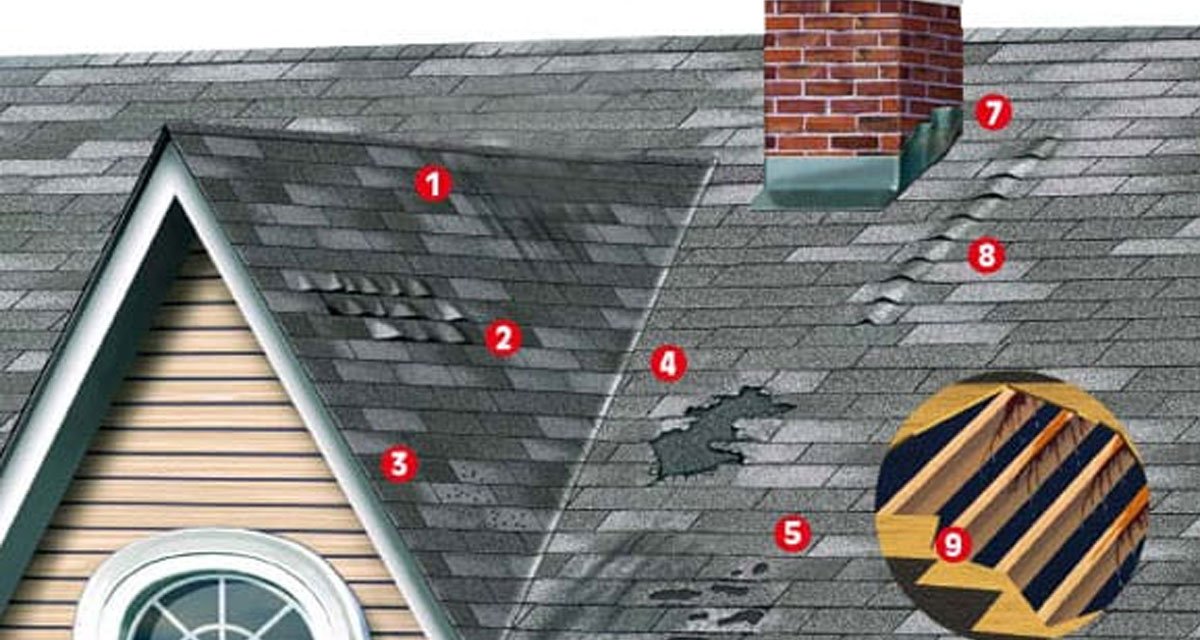
Most homeowners wait until water stains appear on the ceiling before they think about roof replacement. That’s too late. By then, the damage has already spread to the decking, insulation, and sometimes the framing. Catching the warning signs early , while the roof is still dry , can save you thousands in structural repairs.
Here is a step-by-step visual inspection checklist you can run through yourself, no ladder required for the first three checks.
Granule Loss in Gutters
Check your downspouts and gutter valleys after a heavy rain. If you see piles of sand-like granules , the ceramic-coated particles embedded in the shingle surface , your shingles are shedding their protective layer. New shingles lose a few loose granules during the first month, but persistent granule loss after year one signals advanced UV degradation.
The Asphalt Roofing Manufacturers Association (2024) notes that significant granule loss reduces a shingle’s fire rating and accelerates thermal cracking. A quick test: rub the palm of your hand across a shingle surface. If more than a dozen granules come loose, the shingle is nearing end of life.
Curling, Buckling, or Missing Shingles
Shingles should lie flat against the roof deck. Curling edges , either cupped (edges turning up) or clawed (center lifting) , indicate the shingle has lost its flexibility. This is often caused by poor roof ventilation trapping heat in the attic, which bakes the asphalt until it shrinks and warps. Buckling (wavy ridges across multiple shingles) usually points to moisture trapped under the deck or improper nailing during installation.
Missing shingles after a moderate windstorm suggest the seal strips have failed. If you spot any of these, walk the perimeter and count: more than three damaged shingles per 100 square feet typically warrants a full replacement rather than spot repairs.
Daylight Through the Roof Deck
This is the most definitive test. Go into your attic on a sunny day. Turn off all lights. Look along the roofline where the decking meets the rafters. If you see pinpricks of daylight, the shingles , and likely the underlayment , have worn through. Even a single beam of light means water has a direct path inside.
The National Roofing Contractors Association recommends annual attic inspections for this exact reason. What many homeowners don’t realize: daylight often appears first around roof penetrations (vents, chimneys, plumbing stacks) where flashing has corroded, not where the shingles themselves failed.
Dark Streaks or Moss Growth
Black streaks running down the roof slope are usually Gloeocapsa magma , an airborne algae that feeds on the limestone filler in shingles. On its own, algae is cosmetic and does not shorten roof life. Moss is a different story. Moss retains moisture against the shingle surface, which can lift edges and promote rot underneath.
If moss covers more than 20% of a roof section, the trapped moisture can degrade the asphalt within two to three years. The fix is not a pressure washer , that blasts away granules. Copper or zinc strips installed along the ridge line are the standard preventive treatment.
“Do these asphalt shingles really last 25 years, as claimed?”
— r/Roofing, 12 upvotes, 79 comments (2025), source
Differentiation Module: Real-World Lifespan vs. Manufacturer Warranties
A 30-year shingle rarely lasts 30 years. That’s the uncomfortable truth manufacturers don’t advertise. In practice, the average architectural shingle roof delivers 25 to 30 years of service , but only under ideal conditions. The warranty on the package promises 30 years. The fine print tells a different story.
The Warranty Fine-Print Gap
Most manufacturer warranties are pro-rated after year 10 or 12. That means if your roof fails at year 20, you don’t get a full replacement. You get a fraction of the original shingle cost , minus labor, disposal, and underlayment. The homeowner eats 60-80% of the total bill.
What many buyers don’t realize is that roof warranty coverage often excludes damage from poor roof ventilation, improper installation, or acts of nature. A warranty claim for thermal cracking caused by an unventilated attic? Denied. Granule loss from a hailstorm? That’s a separate insurance claim, not a warranty issue.
Proactive Replacement vs. Waiting for Failure
Waiting until shingles fail , curling, cracking, shedding granules into gutters , turns a planned replacement into an emergency. Leaks damage decking, insulation, and interior finishes. The cost of that emergency repair often exceeds a proactive replacement by 30-50%. A common mistake is thinking the warranty will cover you when things go wrong. By the time visible failure occurs, the pro-rated value is near zero.
“How long do 50 year asphalt shingles really last? How about 30 years?”
— r/Roofing, 19 upvotes, 49 comments (2025), source
The real-world answer: even premium 50-year shingles typically need replacement at year 30-35 in most climates. Replace on your terms, not the weather’s.
Frequently Asked Questions
What is the average lifespan of an asphalt shingle roof?
The average lifespan depends entirely on the shingle type. A 3-tab asphalt roof lasts 15–20 years. Architectural (dimensional) shingles average 25–30 years. Premium multi-layer shingles can reach 30–50 years. These are real-world figures, not manufacturer marketing claims. According to the Asphalt Roofing Manufacturers Association (2024), most homeowners replace between years 18 and 22, regardless of the warranty printed on the bundle.
How often should asphalt shingles be replaced?
Plan on replacement every 20–30 years for standard architectural shingles. If you bought a house with 3-tab shingles installed in 2010, you’re already in the danger zone. Premium shingles bought in 2020 might last into the 2060s , but only with proper roof ventilation and regular maintenance. A common mistake is waiting for leaks. By the time water enters your home, the decking and underlayment are already compromised.
Do architectural shingles last longer than 3-tab shingles?
Yes, significantly. Architectural shingles are heavier , roughly 240–320 lbs per square versus 180–200 lbs for 3-tab , and use a laminated construction that resists wind uplift and granule loss better. Field data from the National Roofing Contractors Association (2023) shows architectural shingles surviving 8–12 years longer on average than 3-tab in the same climate. The extra cost, typically 15–25% more, pays for itself in deferred replacement.
“I have a roof that’s 17 years old. Typical asphalt shingles. I lost probably a dozen shingles in different parts of the roof during hurricane Ian.”
— r/Roofing, 2 upvotes, 34 comments (2022), source
What factors reduce the life of an asphalt shingle roof?
Four factors kill roofs faster than anything else. First: poor roof ventilation. Trapped attic heat can hit 150°F, cooking shingles from underneath and causing thermal cracking. Second: granule loss from hail or foot traffic. Once granules are gone, UV rays attack the asphalt directly. Third: installation errors , wrong nail placement, missing underlayment, or improper flashing. Fourth: neglected gutters that cause ice dams and water backup. A roof with all four problems might fail in 10 years. One with none can hit 35.
How do I know if my asphalt shingle roof needs replacing?
Check three things from ground level. Look in your gutters for granule buildup after rain. Scan the roof surface for curling, buckling, or missing shingles. Go into the attic on a sunny day and look for daylight through the deck. If you find two or more of these signs and your roof is past year 15, schedule a professional inspection. Spot repairs work when damage is isolated. Once curling or granule loss is widespread, full replacement is the only cost-effective path.
Conclusion
An asphalt shingle roof lasts between 15 and 50 years, but the real answer depends on what you buy and how you treat it. Three-tab shingles deliver 15–20 years. Architectural shingles hit 25–30 years. Premium options stretch to 30–50 years. Those ranges assume proper installation, adequate roof ventilation, and a climate that doesn’t punish your home daily.
What shortens that lifespan? Poor ventilation causes thermal cracking. Neglected gutters accelerate granule loss. And a roof warranty on paper means little if algae or moss took hold years ago. The difference between a roof that lasts 20 years and one that lasts 30 is almost always maintenance and attic airflow.
If you see curling shingles, daylight through the deck, or piles of granules in your downspouts, don’t wait. Call a certified inspector. A professional assessment costs a few hundred dollars. Replacing a failed roof on an emergency basis costs thousands more.