



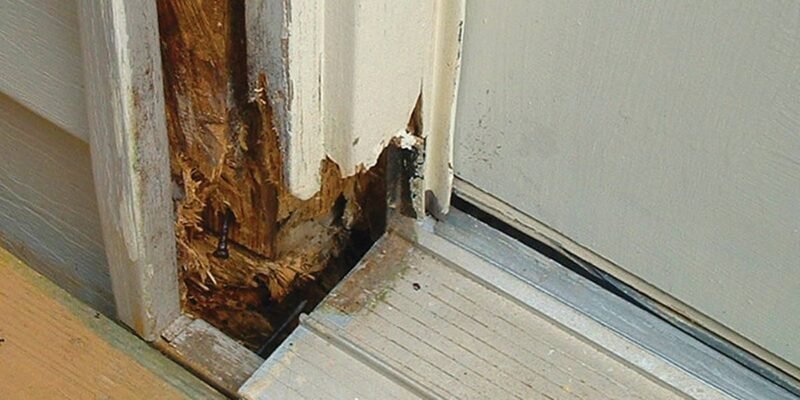
Replacing a front door frame is the repair you make when the bottom of the door frame has rotted but the door itself is still in good condition. Water has been sitting against the threshold for years, wicking up into the wood jambs, and the wood is soft, blackened, and crumbling. The rot is usually confined to the bottom six to 12 inches of the side jambs and the ends of the threshold. The upper portions of the jambs and the door slab are unaffected. The repair replaces the damaged sections with new wood, or replaces the entire frame if the rot extends higher. The door slab is rehung in the new or repaired frame. The project takes a day for a partial frame repair and a weekend for a full frame replacement, observes Real Estate Investing Beverly.
The alternative is replacing the entire door and frame as a prehung unit, which was covered in a previous guide. A prehung replacement is the right choice when the door itself is also worn out or when the rot in the frame is extensive enough that a partial repair would leave more new wood than old. When the door is good and the rot is confined to the bottom, replacing the frame or the damaged sections preserves the door and costs a fraction of a full replacement.
ENERGY STAR advises that air sealing around doors and windows is one of the most cost-effective ways to reduce energy bills. A rotted door frame leaks air continuously. Replacing the damaged frame and installing new weatherstripping restores the seal and eliminates the draft.
Step 1: Assess the Extent of the Rot
Probe the wood with an awl or a screwdriver. Soft wood that yields to pressure is rotted. Sound wood is hard and resists the probe. Start at the bottom of each jamb, where the wood meets the threshold, and work upward. Mark the highest point on each jamb where the wood is soft. Add six inches above that mark. That is the cut line. Cut above the rot into sound wood.
Check the threshold. A wood threshold that is soft in the center or at the ends is rotted. An aluminum threshold on a wood sub-sill may hide rot in the wood underneath. Probe the sub-sill from inside the house, under the threshold, if accessible. Check the subfloor under the threshold. The rot often extends into the subfloor and the rim joist below the door. If the subfloor is soft, the repair expands into a structural repair that must be completed before the door frame is reinstalled. Replace rotted subfloor and framing with pressure-treated lumber.
Remove the interior casing and trim around the door to expose the gap between the door frame and the rough opening. Inspect the rough opening framing for rot. The studs, the header, and the sill plate should be sound. If the rough opening framing is rotted, replace it. A new door frame attached to rotted framing will rot again from the inside out.
Step 2: Partial Frame Repair — Replacing the Bottom Sections
If the rot is confined to the bottom of the jambs, cut out the damaged sections and replace them with new wood. Mark the cut line on each jamb. The cut should be at a 15 to 20 degree angle, sloping downward toward the exterior. The angled cut sheds water outward and prevents water from sitting on the horizontal joint between the old and new wood. Cut the jamb at the marked line with an oscillating multi-tool or a handsaw. Remove the damaged section. Use it as a template to cut the replacement piece from matching wood. The replacement piece is the same thickness, width, and profile as the original jamb.
Prime all sides of the replacement piece before installation. The end grain at the bottom of the jamb is the most vulnerable to water absorption. Prime it thoroughly. Fit the replacement piece into the gap. Fasten it to the rough opening framing with screws. The joint between the old and new wood is reinforced with a wood Dutchman or a corrugated fastener driven across the joint on the back face of the jamb. The joint is then filled with exterior wood filler, sanded smooth, and painted. The repair will be visible on close inspection. After painting, the repair blends into the jamb and is not noticeable from a normal viewing distance.
If the threshold is rotted, replace it. Remove the old threshold by cutting it into sections with a reciprocating saw and prying the sections out. The threshold may be screwed, nailed, or mortared in place. Clean the sub-sill. Install a sill pan flashing if one was not present. Install the new threshold. The threshold must be level and sloped slightly toward the exterior. Caulk under the threshold and at the ends where it meets the jambs.
Step 3: Full Frame Replacement
If the rot extends more than 18 inches up the jambs, or if both jambs and the threshold are rotted, replace the entire frame. Remove the door slab from the hinges. Remove the old frame by cutting the nails or screws that fasten it to the rough opening. Pry the frame pieces out. The old frame is scrap.
The new frame can be a prehung door unit with the old door slab rehung in it, or a custom frame built from jamb stock and a new threshold. A prehung unit is faster because the frame is already assembled and the hinges are mortised. If the old door slab is a standard size, a prehung unit with a matching door slab can be purchased and the entire unit installed. If the old door is custom, non-standard, or has sentimental value, build the new frame to fit the old door.
Install a sill pan on the rough opening sill before the new frame goes in. Set the new frame or prehung unit into the opening. Shim the hinge side plumb and straight. Shim the latch side for an even gap. Fasten through the jambs into the framing. Install new weatherstripping. Hang the door slab. Adjust the hinges and the strike plate until the door closes smoothly and seals against the weatherstripping. Caulk the exterior perimeter where the brickmold meets the siding. Install the interior casing.
Frequently Asked Questions
How do I decide between repairing the frame and replacing the whole door?
If the door slab is in good condition and the rot is confined to the bottom 12 inches of the frame, repair the frame. If the rot extends above 18 inches, both jambs and the threshold are rotted, or the door slab is also damaged or worn out, replace the entire door and frame as a prehung unit. The cost of a full prehung replacement is $300 to $800 for the door unit plus labor. A partial frame repair costs $50 to $150 in materials and takes an afternoon.
How do I prevent the new frame from rotting the same way?
Install a sill pan under the threshold. The sill pan catches water that gets under the threshold and directs it outward. Prime all end grain before installation. Caulk the exterior perimeter thoroughly. Maintain the caulk and paint every few years. Ensure the grade outside the door slopes away from the house. Keep gutters and downspouts clear so water does not overflow onto the door area. The original frame rotted because water sat against it. Eliminate the water and the new frame will not rot.
What type of threshold should I use for the replacement?
An adjustable aluminum threshold with a thermal break is the standard for exterior doors. The thermal break is a plastic separator between the interior and exterior aluminum that prevents condensation. An oak threshold is traditional and can be sanded and refinished. It requires a separate door sweep on the bottom of the door. Aluminum thresholds with an adjustable cap allow you to raise or lower the cap to achieve a tight seal against the door sweep.
The Bottom Line
A rotted front door frame is replaced by cutting out the damaged sections and splicing in new wood, or by replacing the entire frame with a new prehung unit. The rot is caused by water. The repair must include a sill pan, proper caulking, and exterior water management to prevent the new frame from rotting the same way. A door slab in good condition with rot limited to the bottom of the frame is a partial frame repair. A door slab that is worn out with extensive rot is a full replacement. The decision is made after the interior trim is removed and the extent of the rot is exposed.