



A hidden water leak can run for weeks before you notice anything wrong. By then, the damage is already spreading behind walls, under floors, and into your wallet. Knowing the signs of a hidden water leak helps you catch the problem early and avoid repair bills that average $3,000 to $7,000 for serious water damage restoration.
Most homeowners only react once the evidence becomes impossible to ignore. The goal here is to make you dangerous enough to spot trouble while it’s still small.
The earliest signs of a hidden water leak are often subtle changes you notice with your senses or your utility bill, not dramatic flooding. Train yourself to read these signals and you can catch a leak weeks before it causes structural damage.
Your Water Bill Creeps Up for No Reason
The EPA estimates a typical family of four uses about 12,000 gallons per month. If your bill suddenly jumps 15-25% and your habits haven’t changed, something is leaking. Even a slow drip at one drip per second wastes over 3,000 gallons a year.
Pull out three months of bills and compare them. Seasonal variation is normal, but a steady upward trend with no explanation deserves investigation.
Musty Odors, Mold, or Mildew in Unusual Spots
That damp, earthy smell in a room that shouldn’t be humid is one of the clearest red flags. Mold colonizes within 24-48 hours of consistent moisture exposure. If you smell it near baseboards, inside closets, or along interior walls, moisture is feeding it from somewhere you can’t see.
Discoloration on Walls, Ceilings, or Floors
Yellowish-brown stains on ceilings or bubbling paint on walls mean water has been pooling long enough to soak through drywall. By the time you see a stain, the leak has likely been active for days or weeks. Floor warping, especially in bathrooms and kitchens, tells the same story from below.
Sudden Drop in Water Pressure
When a pipe develops a crack or loose fitting, water escapes before reaching your faucet. If pressure drops noticeably at multiple fixtures, the leak is likely on a main supply line rather than a single branch. A pressure gauge from any hardware store (under $15) can confirm your suspicion with hard numbers.
The Sound of Running Water When Nothing Is On
This one unsettles people. You’re sitting in a quiet house and hear a faint hiss or trickle behind a wall. It’s not the house settling. That sound means pressurized water is escaping somewhere it shouldn’t be, and it usually indicates a more significant leak than the silent variety.
Warm Spots on Your Floor
Slab leaks are among the most expensive to repair, and one telltale sign is a warm patch on a concrete or tile floor. Hot water supply lines run beneath many slab foundations. When one cracks, heated water seeps into the concrete and radiates upward. Walk barefoot through your home. Your feet will notice what your eyes miss.
Comparing Leak Signs by Severity
| Sign | Severity | Typical Timeline to Damage | Estimated Repair Cost |
|---|---|---|---|
| Higher water bill (no other signs) | Low | Weeks to months | $150 to $400 |
| Musty odor or minor mold | Moderate | Days to weeks | $500 to $1,500 |
| Ceiling/wall stains or paint bubbling | Moderate-High | Already progressed | $1,000 to $3,500 |
| Warm floor spots (slab leak) | High | Active damage | $2,000 to $6,000 |
| Audible running water + pressure drop | High | Rapid escalation | $1,500 to $5,000+ |
| Foundation cracks + shifting | Severe | Ongoing structural risk | $5,000 to $15,000+ |
Most hidden leaks occur in areas with pipe joints, temperature changes, or soil pressure against your foundation. Knowing where to look cuts your detection time dramatically.
Behind bathroom walls is the most common location. Supply lines and drain connections for showers, tubs, and toilets create dozens of potential failure points behind a single wall. Toilets alone account for roughly 30% of household water use, according to the EPA (2024), making them a prime suspect.
Under kitchen sinks and dishwasher connections rank second. The constant connect-disconnect cycle of dishwasher supply hoses weakens fittings over time. Pull everything out from under your sink once a month and actually look.
Irrigation systems are the hidden-leak champion that homeowners forget entirely. A cracked irrigation line can waste 6,300 gallons per month while buried underground where you’ll never see it. If your lawn has one patch that’s greener than the rest, that’s not luck.
Water heater connections and the tank itself deteriorate steadily. Homes older than 25 years carry significantly higher risk for supply line failures throughout the structure.
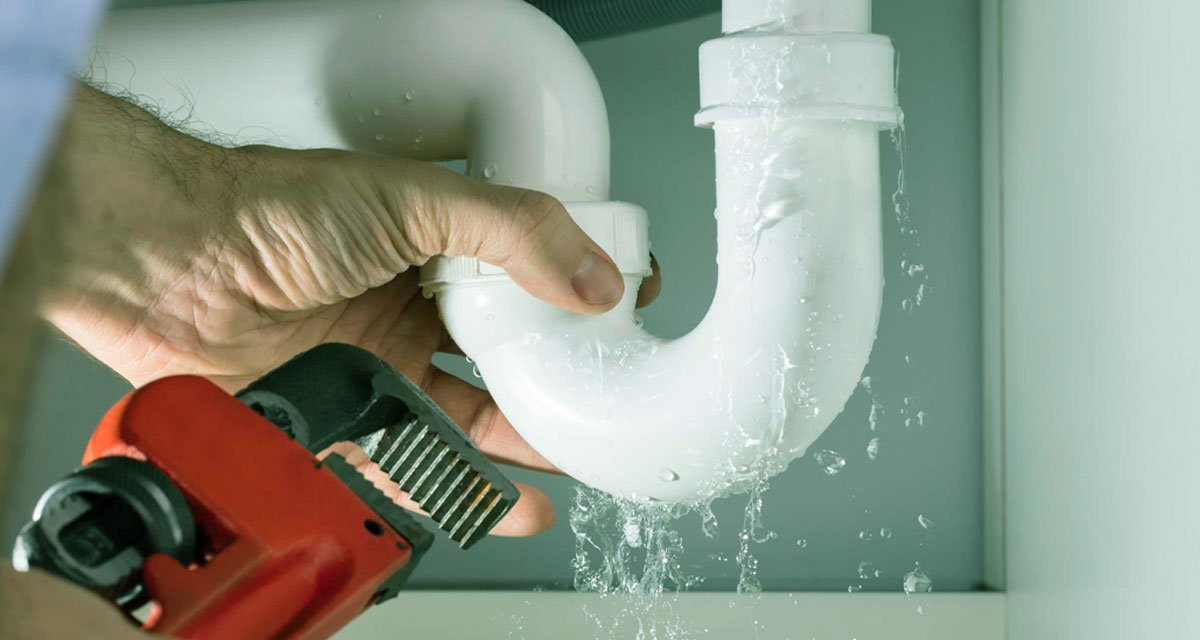
Before calling a plumber, three straightforward tests can confirm whether you have a leak and help narrow down its location. These cost nothing and take less than an hour combined.
The Water Meter Test
Turn off every water-using fixture and appliance in your home. Locate your water meter, usually near the curb. Many modern meters have a small triangle or diamond-shaped leak indicator that spins when even tiny amounts of water flow through. If that indicator moves with everything off, you have a leak between the meter and your home.
No leak indicator? Write down the meter reading, wait two hours without using any water, and check again. Any change confirms a leak.
The Toilet Dye Test
Drop 5-10 drops of food coloring into each toilet tank. Wait 15 minutes without flushing. If color appears in the bowl, the flapper valve is leaking. This is the cheapest fix you’ll ever make: a new flapper costs $5 to $8 and takes ten minutes to install.
Infrared Camera Spot-Check
Budget thermal cameras that attach to your phone (FLIR ONE, Seek Thermal) cost $150 to $300 and reveal temperature differences behind walls. A leaking pipe shows as a cool streak on drywall or a warm bloom on slab floors. It’s not professional-grade, but it narrows down where to cut into a wall before you start guessing.
When to Call a Professional Plumber
DIY detection has limits. Call a professional when you’ve confirmed a leak exists but can’t pinpoint the source, or when you see signs of structural involvement like foundation cracks, buckling floors, or extensive mold growth.
The Insurance Information Institute (2023) reports that water damage and freezing account for nearly 1 in 5 homeowner insurance claims, with an average payout around $12,500. Insurers routinely deny claims for damage caused by gradual leaks that went unaddressed. The distinction between “sudden and accidental” versus “long-term neglect” can mean the difference between full coverage and paying everything out of pocket.
On r/HomeMaintenance, a community focused on DIY repair and home upkeep, one homeowner shared a situation that captures this tension perfectly:
“Inspector says water damage (active leak) but I don’t believe it. There’s no visible moisture anywhere. Should I get a second opinion or just trust the report?”
— r/HomeMaintenance, 0 upvotes, 14 comments (2026), source
This kind of skepticism is common and understandable. But inspectors use moisture meters that detect saturation levels invisible to the eye. If an inspector flags active water damage, a second opinion from a licensed plumber with leak detection equipment is worth the $150 to $300 diagnostic fee. Ignoring the finding is the expensive gamble.
A hidden water leak is a plumbing issue where pressurized water escapes from pipes, fittings, or fixtures in concealed locations such as walls, foundations, or underground supply lines. Professional leak detection services use acoustic sensors, infrared thermography, and video pipe inspection to locate these leaks without demolition.
Seasonal Risk: When Leaks Are Most Likely
Leaks spike in late winter and early spring when frozen pipes thaw and reveal cracks that formed during cold snaps. Fall is the second peak, as irrigation systems get shut down and blowout procedures expose weakened fittings. If you’re going to do a thorough leak check twice a year, March and October are your best bets.
Frequently Asked Questions
How do I know if I have a hidden water leak?
The most reliable early indicator is a water bill that rises steadily over two or three months without any change in your household usage. Confirm with the water meter test: shut off all fixtures, check the meter’s leak indicator or reading, wait two hours, and compare. Additional signs include musty smells, wall stains, and warm floor spots.
Mold begins growing within 24-48 hours on any surface with consistent moisture, making hidden leaks one of the primary causes of indoor mold problems. Even a small, slow leak behind drywall provides enough humidity for mold colonies to establish and spread. Remediation costs rise sharply once mold covers more than 10 square feet.
How much does professional leak detection cost?
Professional leak detection typically runs $150 to $400 for a diagnostic visit, depending on your region and the complexity of the search. This fee covers acoustic testing, pressure testing, and sometimes thermal imaging. The actual repair cost is separate and varies widely based on the leak’s location and severity.
Most standard homeowners policies cover sudden and accidental water damage but exclude damage from gradual leaks you failed to maintain or address. The Insurance Information Institute notes that documentation matters: if you can show you acted promptly once the leak was discovered, your claim is far stronger than if evidence suggests weeks of neglect.
How long can a hidden leak go undetected?
A slow pinhole leak in a supply line can run undetected for months or even years, particularly in rarely accessed areas like crawl spaces, slab foundations, or behind finished basement walls. By the time visible signs appear, cumulative water loss can reach thousands of gallons and repair costs multiply significantly.
Take Action Before the Damage Decides for You
Hidden water leaks reward attention and punish delay. Check your water bill trends monthly, run the meter test quarterly, and investigate any musty smell or stain the day you notice it. The difference between a $200 repair and a $7,000 restoration project is usually just a few weeks of ignoring the warning signs.