


If you are standing over a sink wondering “why does my drain smell bad,” the culprit is almost always one of four things: a dry P-trap letting sewer gas through, biofilm decomposing inside your pipes, mold growing under the drain cover, or rotting debris trapped in the drain assembly.
Each cause produces a distinct odor, and matching the smell to the source is the fastest way to a fix that actually lasts says Gresham Management.
Drain Smell Diagnosis: Match the Odor to the Cause
The smell coming from your drain is not random. It is a surprisingly precise diagnostic signal. Before you reach for a bottle of drain cleaner, take thirty seconds to identify what you are actually smelling. The right diagnosis means the difference between a five-minute fix and a wasted weekend.
| What You Smell | Most Likely Cause | Common In | DIY Fix | When to Call a Pro |
|---|---|---|---|---|
| Rotten eggs / sulfur | Hydrogen sulfide from sewer gas (dry P-trap, blocked vent, or biofilm producing H2S) | Any drain, especially unused ones | Run water 30 sec; baking soda + vinegar | Smell persists after traps are full; multiple drains affected |
| Raw sewage / feces | Cracked drain pipe, broken toilet wax seal, main line backup | Bathroom floors, walls near plumbing | None — this is a structural issue | Immediately — sewage gas is a health hazard |
| Musty / damp basement | Mold and mildew on drain cover underside, gasket, or overflow channel | Bathroom sinks, showers | Remove stopper, scrub with bleach solution | Odor returns within days despite cleaning and ventilation |
| Rotting food / garbage | Decomposing food particles, grease, and biofilm in kitchen pipes | Kitchen sinks, garbage disposals | Baking soda + vinegar + boiling water; enzyme cleaner | Persistent clog with slow drainage |
| Fishy / ammonia-like | Bacteria feeding on soap scum and hair in bathroom; rarely, overheating electrical components | Bathroom sinks, showers | Deep clean stopper and drain throat; rule out electrical | Odor is electrical (burning plastic mixed with fish) — fire risk |
| Sharp chemical / glue | Fresh PVC cement, recently installed pipes, or improper drain cleaner residue | New construction, recent repairs | Flush thoroughly with water; ventilate room | Odor lasts more than 48 hours after flushing |
Why a Dry P-Trap Is the Most Common Reason Your Drain Smells Bad
Under every sink, shower, and floor drain in your home is a U-shaped bend of pipe called a P-trap. Its only job is to hold a small pool of water that blocks sewer gas from drifting up into your living space.
The design is elegantly simple: water creates an airtight seal that no gas can pass through. When that water evaporates, the seal breaks, and nothing stands between your nose and the sewer line.
A P-trap dries out for three main reasons, and none of them involve anything being broken. The most common is simple neglect: a guest bathroom sink or basement floor drain that has not seen water in weeks. Water evaporates slowly from the trap, and once the level drops below the bend, gas slips through.
The second cause is a blocked vent pipe — that vertical pipe running through your roof that lets air into the plumbing system. When it gets clogged with leaves, bird nests, or winter ice, negative pressure siphons water out of the P-trap every time a nearby fixture drains. The third is a loose slip nut or dried-out washer causing a slow leak.
The fix takes thirty seconds. Run water in the offending drain. If the smell disappears within an hour, you have confirmed a dry P-trap. For drains you rarely use, pour a tablespoon of mineral oil down after the water.
It floats on top and slows evaporation for up to six months. A cup of water down every unused drain once a month costs nothing and prevents more drain odor problems than every product on the hardware store shelf.
Rotten Eggs and Sewage Smells: When the Odor Signals Something Serious
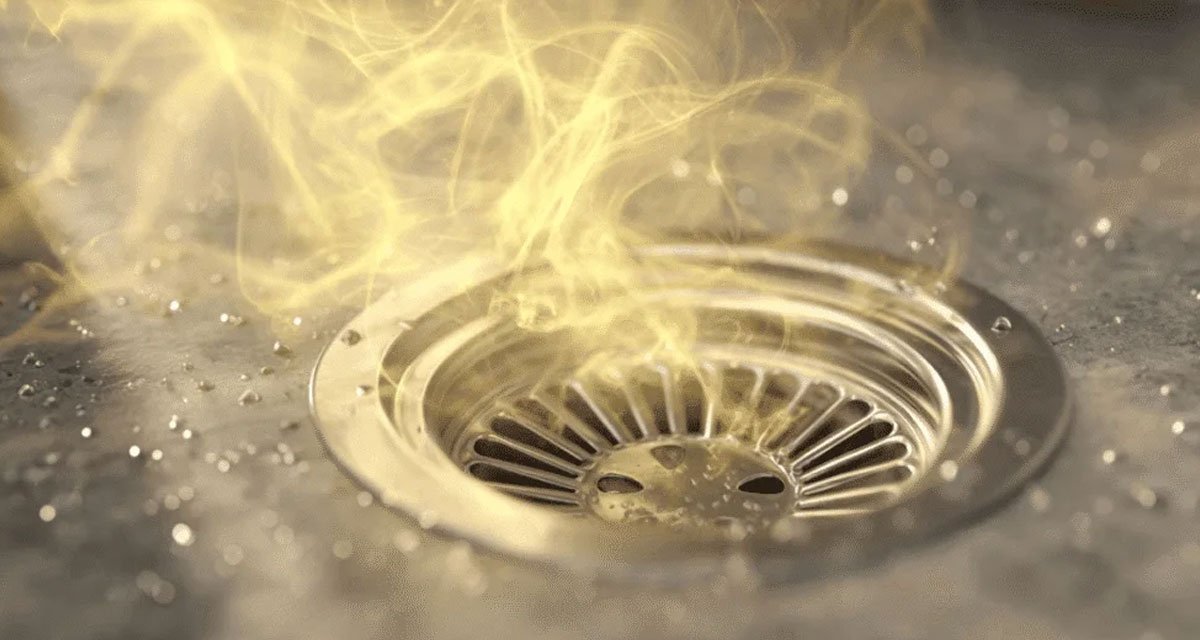
Hydrogen sulfide is the gas behind that rotten-egg stench. At the concentrations found in a typical household drain — usually under 1 part per million, it causes temporary irritation at worst. But at higher levels, above 100 ppm, it can trigger headaches, nausea, and in extreme cases, loss of consciousness.
OSHA caps permissible workplace exposure at 20 ppm over an eight-hour shift, and a whiff from a floor drain already registers between 5 and 10 ppm. The numbers sound alarming, but most household sewer gas incidents never approach dangerous thresholds. The gas is a warning to pay attention, not to evacuate.
A sewage smell that comes from multiple drains at once points to something beyond a dry trap. A cracked drain pipe inside a wall, a failed wax ring under a toilet, or a partial blockage in the main sewer line can all force gas back up every branch in the house.
A cracked vent stack releases gas into the attic, where it drifts down through ceiling fixtures and light penetrations. Gurgling sounds from drains and toilets are the telltale sign: the plumbing system cannot equalize air pressure, and sewer gas is pushing through water seals that were never designed to hold it back.
When the rotten-egg smell persists after every P-trap is confirmed full, stop troubleshooting and call a licensed plumber. A smoke test, pumping non-toxic smoke through the sewer line and watching where it escapes, locates the exact leak point in under an hour. This is not a job for baking soda.
Musty Drain Smells: Mold and Mildew Hiding in Plain Sight
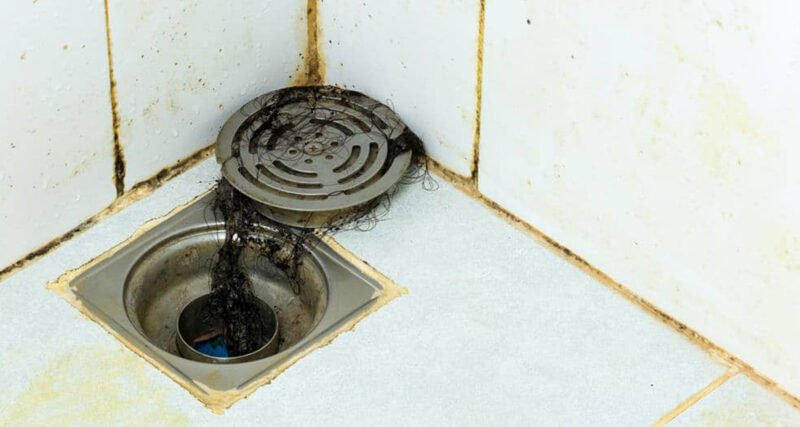
A musty, earthy smell from a bathroom drain is almost never a plumbing problem. It is mold and mildew growing on surfaces that stay perpetually damp but rarely see direct cleaning: the underside of the drain cover, the rubber gasket, and the first few inches of the drain throat, all above the water line in the P-trap.
These surfaces sit in warm, humid bathroom air around the clock and grow mold faster than shower tile because nobody thinks to scrub them.
Unscrew the drain cover or pop-up stopper. Most twist off by hand or with a single center screw. What you find underneath is often a dark sludge that smells of damp basement. A stiff brush with dish soap and hot water removes it. For the rubber gasket, soak it in a 1:10 bleach-to-water solution for ten minutes, then rinse thoroughly.
Scrub the visible walls of the drain throat with an old toothbrush. This five-minute task eliminates more bathroom odors than every pour-down product combined. If the mold returns within a week, your bathroom humidity is the real problem. Run the exhaust fan during and for twenty minutes after every shower. Mold regrows that fast only above 60% relative humidity.
Fishy Drain Smells: The Cause Most Articles Skip
A fishy odor from a drain falls into one of two categories, and one of them has nothing to do with plumbing. The first and more common cause is bacterial decomposition: soap scum, hair, and dead skin cells feeding colonies of bacteria that produce amine compounds with a distinctly fishy smell.
This is essentially the same process that makes rotting seafood smell the way it does, just happening at a smaller scale inside your bathroom drain. The fix is the same biofilm removal routine that works for other organic odors: baking soda and vinegar, followed by boiling water, followed by an enzyme cleaner for the deeper layers.
The second cause is electrical. Overheating components inside a bathroom exhaust fan, light fixture, or garbage disposal motor can emit a smell that many people describe as fishy or like burning plastic. The insulation on electrical wiring contains amine-based compounds that release this exact odor when they overheat.
If the fish smell is strongest near a switch plate, outlet, or appliance rather than directly from the drain opening, turn off the circuit breaker and call an electrician. This is a fire hazard, not a cleaning problem.
For the plumbing version: if you have PVC drain pipes installed within the last year, residual manufacturing solvents can also produce a faint chemical-fish smell when hot water runs through them. This fades on its own within a few months of regular use and is harmless.
Kitchen Sink Smells: Grease, Food Scraps, and the Garbage Disposal Factor
Kitchen drains smell different from bathroom drains because they process different organic matter. Grease is the central problem. Even small amounts poured down the sink cool and solidify on pipe walls, creating a sticky coating that traps food particles. Those particles then rot in a warm, dark, moist environment, exactly the conditions that produce the garbage-like smell wafting up from the drain.
A garbage disposal adds another layer. The rubber splash guard at the top of the disposal opening develops a biofilm on its underside that gets activated every time water splashes against it. Remove the guard, it pulls out by hand on most models, and scrub both sides with dish soap and a brush.
The grinding chamber needs attention too: drop in a handful of ice cubes with a few lemon wedges, run cold water, and turn on the disposal. The ice scours the blades and chamber walls while the citrus cuts through grease and leaves a clean scent.
Once a month, pour a half-cup of baking soda followed by a half-cup of white vinegar down the kitchen drain. Cover the opening with a wet cloth to force the foam downward.
Wait ten minutes, then flush with a kettle of near-boiling water. For the grease that has already hardened further down the line, an enzyme-based drain cleaner applied overnight digests the fat and protein matrix that holds the buildup together.
Why Your Bathroom Sink Drain Smells Bad: Hair, Soap Scum, and the Overflow Channel
If you have asked “why does my drain smell bad” while standing in the bathroom, the answer usually involves three ingredients: hair, soap scum, and toothpaste residue. Bathroom sinks combine these into a distinct, sour smell that has a specific cause and an equally specific fix. Hair wraps around the stopper mechanism and catches everything else that goes down the drain, forming a dense mat that bacteria colonize within days.
Soap scum, a waxy film of calcium stearate that forms when bar soap reacts with hard water minerals, coats the inside of the drainpipe and provides a surface for biofilm to anchor onto.
What many do not realize is that the overflow channel is the bathroom sink problem nobody addresses. That small opening near the rim of the basin connects to a dark, damp passage running behind the sink bowl down to the drain. Biofilm grows undisturbed in this channel and releases odors every time water splashes near the opening.
To clean it: plug the main drain, fill the sink partway with hot water mixed with a splash of bleach, and let the water rise until it flows into the overflow. Let it sit for five minutes, then drain and rinse with plain water. Do this quarterly.
“How do I fix drain smell? We have a bathroom sink that stinks. I’ve tried the usual baking soda and vinegar tricks. It works for a day or two then comes back stronger. Someone mentioned checking the overflow, is that a real thing?”
— Reddit user, r/DIYUK, 40 upvotes, 26 comments (May 2026)
The Reddit user above ran into exactly this: the baking soda and vinegar cleaned the main drain but the overflow channel kept reinfecting it. The smell came back because biofilm in the overflow was releasing odor molecules every time water splashed past. Cleaning both paths is the difference between a fix that lasts two days and one that lasts three months.
How to Clean a Smelly Drain: Step-by-Step Methods That Actually Work
In practice, most drain odors resolve with the first or second method below. Start with the simplest and escalate only if the smell persists. Pouring chemicals down a drain without understanding the cause is like taking antibiotics for a virus. You feel productive, but the actual problem is untouched.
- Boiling water flush. Bring a full kettle to a boil. Pour it slowly down the drain in two stages: half the kettle, wait thirty seconds, then the rest. This alone resolves roughly 40% of drain odor complaints by melting grease, flushing loose biofilm, and refilling a partially dry P-trap. Do not use boiling water if you have PVC pipes, hot tap water is safer for plastic.
- Baking soda and vinegar. Pour half a cup of baking soda directly into the drain opening. Follow immediately with half a cup of white vinegar. Cover the drain with a wet cloth to force the foam downward through the pipes rather than up into the sink. Wait ten minutes, then flush with a kettle of near-boiling water. The carbon dioxide bubbles physically scrub biofilm off pipe walls, and the acetic acid kills surface bacteria on contact.
- Enzyme-based drain cleaner. Unlike caustic chemical openers that burn through whatever they touch, enzyme cleaners use protease, lipase, and amylase to digest the protein and fat matrix that holds biofilm together. Pour the recommended amount down the drain before bed and let it sit overnight. Flush with hot water in the morning. One treatment typically lasts one to three months before biofilm rebuilds enough to smell.
- Manual P-trap cleaning. Place a bucket under the P-trap under the sink. Unscrew the two slip nuts by hand, have rags ready, water will spill. Empty the trap into the bucket. What comes out is usually a foul slurry of decomposed hair, grease, and soap residue. Scrub the inside of the trap with a bottle brush and dish soap, reassemble, and run water to check for leaks. This is the nuclear option for bathroom sinks where surface treatments keep failing.
- Overflow channel cleaning. For bathroom sinks with a persistent smell that returns within days: plug the main drain, fill the basin with hot water and a quarter-cup of bleach, and let it rise until water flows into the overflow opening. Let the bleach solution sit in the overflow channel for five minutes. Drain and flush with two full basins of plain hot water. Repeat quarterly.
When to Stop DIY-ing and Call a Plumber
Some drain odors are surface-level annoyances. Others are the first warning sign of a repair that gets exponentially more expensive the longer you wait. Here is how to tell the difference.
- The smell is unmistakably human waste, not musty, not rotten eggs, but raw sewage. This means a broken pipe, a failed toilet wax ring, or a sewer backup.
- Multiple drains in different rooms smell at the same time. One dry P-trap is local. Three or four smelly drains point to a main line or vent stack problem.
- Drains gurgle or bubble when water runs elsewhere. The vent system is blocked, and sewer gas is being forced through water seals.
- Water backs up into the tub or shower when you flush the toilet. Main sewer line blockage. Needs a motorized auger or hydro-jetter, not a plunger.
- The smell comes from a wall, ceiling, or floor, not the drain itself. A cracked pipe inside a wall cavity leaks gas into the structure, and mold follows within days.
- You have deep-cleaned the trap and overflow twice, and the smell returns within 48 hours. Biofilm resolves with consistent treatment. Structural plumbing problems do not.
How to Prevent Drain Odors From Coming Back
The simplest answer to “why does my drain smell bad” is often a dry P-trap, and the simplest fix is preventive. Run water in every drain in the house at least once every two weeks. Guest bathrooms, basement floor drains, and laundry room slop sinks are the usual suspects for dry P-traps.
Add a teaspoon of mineral oil to each trap after running the water: it floats on top and creates an evaporation barrier that lasts up to six months. This one habit prevents more drain odor problems than any product you can buy.
In the kitchen, stop pouring grease down the drain entirely. Wipe greasy pans with a paper towel before washing. Scrape plates thoroughly into the trash. Once a month, flush the kitchen sink with a pot of near-boiling water and a few drops of dish soap to melt accumulated grease before it hardens.
For bathrooms, install a hair catcher over every shower and tub drain. A mesh strainer costs under five dollars. Hair is the structural backbone of bathroom biofilms, providing surface area for bacteria to colonize. Removing it at the entry point eliminates the scaffolding biofilm needs to grow thick enough to smell.
Frequently Asked Questions About Smelly Drains
Why does my drain smell like rotten eggs?
Rotten-egg odor is hydrogen sulfide gas. It comes from two sources: sewer gas leaking past a dry P-trap or blocked vent, or sulfate-reducing bacteria decomposing organic matter inside the drainpipe itself. Run water in the drain for thirty seconds.
If the smell fades within an hour, it was a dry trap. If it persists, the issue is biofilm or a vent problem. Persistent rotten-egg smell from multiple drains means a cracked pipe or main line issue, call a plumber.
Is it safe to use bleach in a smelly drain?
Bleach kills surface bacteria and temporarily removes odors, but it does not penetrate the biofilm matrix protecting deeper colonies. The smell returns within days when surviving bacteria repopulate. Bleach also corrodes metal drain components, brass tailpieces, pop-up assemblies, and chrome finishes are all vulnerable.
Never mix bleach with other drain cleaners: the reaction produces chlorine gas, which is toxic even at low concentrations. Use bleach only for sanitizing removable parts like stoppers and gaskets, never as a pour-down treatment.
Will baking soda and vinegar damage my pipes?
No. The reaction between baking soda (sodium bicarbonate, a weak base) and vinegar (acetic acid, a weak acid) produces carbon dioxide bubbles, water, and a small amount of sodium acetate, all harmless to PVC, copper, and cast iron pipes.
Unlike chemical drain cleaners that generate heat and can warp plastic pipes or etch metal, the baking soda and vinegar reaction is mechanically gentle and chemically benign. It is safe for all residential plumbing materials, including older homes with galvanized steel or cast iron drain lines.
How often should I clean my drains to prevent smells?
A hot water flush once a week for frequently used drains handles surface-level buildup. A baking soda and vinegar treatment once a month for kitchen sinks, where grease accumulation is fastest, keeps biofilm from reaching odor-producing thickness.
For bathroom sinks and showers, an enzyme cleaner treatment every two to three months, combined with quarterly overflow channel cleaning, prevents odors from developing. Drains in guest bathrooms and other rarely used fixtures need nothing more than a thirty-second water run every two weeks to keep the P-trap full.
Why does my drain smell bad some days and not others?
An intermittent drain smell typically means a partially dry P-trap or a vent issue. If the odor appears when the HVAC system runs or when wind blows across the roof vent, the vent stack may be partially blocked, causing pressure fluctuations that pull water from the trap.
If the smell appears only after someone uses a different fixture, a toilet flush causing the shower drain to smell, for example, the vent system is not equalizing pressure properly. Both scenarios require a plumber to inspect the vent stack for blockages or improper installation.
How do I tell if a fishy smell is plumbing or electrical?
Sniff near the drain opening with the stopper removed. Then sniff near the light switch, exhaust fan, and outlet on the same wall. If the smell is stronger at the drain, it is bacterial. If it is stronger at an electrical fixture, turn off the circuit breaker immediately.
Overheating electrical components release amine compounds from wire insulation that smell distinctly fishy. This is a fire hazard. A third possibility, new PVC pipes, produces a chemical-fish smell that fades within months and is harmless. If your plumbing is older than a year, PVC off-gassing is not the cause.