




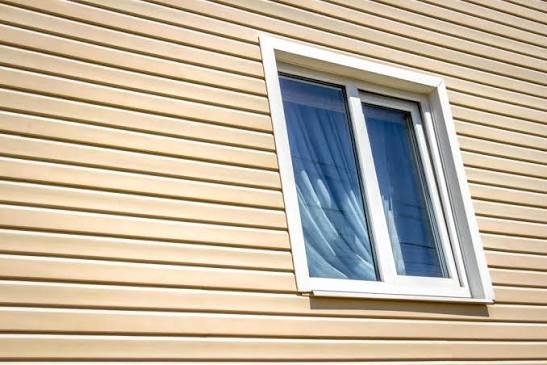
Replacing a window without removing the siding is the standard method for window replacement in an existing house. It is called an insert window or a retrofit window installation. The old window sashes and tracks are removed. The new window unit, a complete factory-assembled frame with sashes and glass, slides into the existing window opening from the inside or the outside. The exterior siding, trim, and J-channel around the window remain in place. The new window is sealed, insulated, and trimmed on the interior. The exterior appearance of the house does not change except for the glass and the window frame, which are new and clean instead of old and weathered.
An insert window replacement is less expensive and less disruptive than a full-frame replacement, which requires removing the siding, the trim, and the exterior flashing around the window, installing a new window with a nailing flange, and then reinstalling or replacing the siding, trim, and flashing. A full-frame replacement is a siding project as much as a window project. An insert replacement is a window project only. The siding stays on the wall. The trim stays on the wall. The hole in the wall stays the same size. A new window goes into the old hole. The labor is measured in hours, not days. The cost is half to two-thirds of a full-frame replacement.
When an Insert Window Replacement Works
An insert window replacement requires that the existing window frame is structurally sound and square. The old window sashes, the moving parts, are removed. The frame, the stationary part attached to the rough opening, stays in place. The new window fits inside the old frame. If the old frame is rotted, warped, or out of square by more than a quarter inch across the diagonal, an insert window will not fit properly and a full-frame replacement is necessary. The condition of the old frame is determined after the interior trim is removed and the frame is exposed.
The existing siding, J-channel, and exterior trim must be in good condition. The whole point of an insert replacement is to leave these in place. If the siding around the window is damaged, the trim is rotted, or the J-channel is cracked, those repairs should be made before or during the window installation. The window installer may or may not be willing to do siding repairs. Clarify this before the job starts. If the siding needs significant repair around the window, a full-frame replacement that includes new flashing and trim may be the better investment.
The Insert Window Replacement Process
The old window is removed from the inside. The interior casing and trim are taken off. The old sashes, the moving glass panels, are removed from the frame. The tracks, the channels the sashes slide in, are removed if they are part of the sash assembly. The old frame, the stationary wood or vinyl box that the sashes fit into, remains in place. The frame is inspected for rot, squareness, and structural integrity. Any rot is cut out and filled with epoxy or wood filler. The frame is cleaned of debris and old caulk.
The new window is measured to fit inside the old frame. The measurement is taken from the inside of the old frame at the narrowest points: width at the top, middle, and bottom, height at the left, middle, and right. The smallest measurement in each direction is used. The new window is ordered to be slightly smaller than the smallest opening measurement, typically half an inch smaller in both width and height, to allow for shimming and insulation. The window manufacturer or the window retailer will calculate the exact size based on your measurements. Give them the rough opening dimensions, not the dimensions you want the window to be.
The new window is installed from the inside or the outside depending on accessibility. A ground-floor window can be installed from either side. A second-story window is installed from the inside. The window is placed into the opening and centered. Shims are inserted between the new window frame and the old frame at the corners and at the midpoint of each side to hold the window square and level. The window is checked for plumb, level, and square. The sashes are opened and closed to confirm they operate smoothly. The window is fastened through the frame into the old frame with screws. The gap between the new window and the old frame is filled with low-expansion window and door foam insulation. Do not use standard expanding foam. The pressure from standard foam can bow the window frame inward and prevent the sashes from operating.
The exterior is sealed with caulk between the new window frame and the old frame or the exterior trim. The interior is trimmed with new casing to cover the gap between the new window and the old frame. The interior casing is the visible change. The exterior looks the same as it did before, with a new window visible through the old trim opening.
Flashing Considerations for Insert Windows
An insert window does not have a nailing flange and does not require the same flashing as a new construction window. The old flashing, the metal or tape that was installed under the siding when the house was built, remains in place. The new window relies on the old flashing to direct water outward. The caulk seal between the new window and the old frame or trim is the primary water barrier. If the old flashing is compromised, an insert window will leak. If there is evidence of water damage around the old window, water stains on the interior trim or drywall, the old flashing may have failed. In that case, a full-frame replacement that includes new flashing is the correct repair, not an insert window that relies on the old flashing.
Frequently Asked Questions
How do I know if I need an insert or a full-frame replacement?
If the existing window frame is sound, square, and free of rot, an insert replacement works. If the frame is rotted, the opening is out of square, or there is evidence of water damage around the window, a full-frame replacement is necessary. The decision is made after the interior trim is removed and the frame is exposed. You cannot tell from the outside.
Can I change the size of the window with an insert replacement?
No. An insert window fits inside the existing frame. The opening does not change size. The new window will be slightly smaller than the old window because it fits inside the old frame. The glass area will be reduced by roughly an inch in each direction. The reduction is not noticeable from a normal viewing distance. If you want a larger window, a full-frame replacement with reframing of the rough opening is required.
Can I install an insert window myself?
Yes, for a ground-floor window with easy interior and exterior access. The process is measuring, ordering, removing the old sashes, installing the new unit, shimming, foaming, and trimming. The skills required are basic carpentry: using a level, a drill, and a pry bar. A second-story window is more challenging because of the ladder work and the weight of the window at height. If you are not comfortable on a ladder holding a 40-pound window, hire a professional for upper-story windows.
The Bottom Line
An insert window replacement puts a new window into the old frame without disturbing the siding, trim, or flashing. The old sashes come out. The new window goes in. The interior trim is replaced. The exterior is untouched. The method works when the old frame is sound, square, and dry. It does not work when the frame is rotted or the old flashing has failed. The decision between insert and full-frame is made after the interior trim comes off and the old frame is exposed. An insert replacement costs less, takes less time, and preserves the existing exterior of the house. It is the right choice for most window replacements in houses where the windows failed before the siding did.