



A solid flooring maintenance checklist saves homeowners thousands in premature replacement costs. The National Association of Home Builders (2023) estimates that well-maintained hardwood floors last 75 to 100 years, while neglected ones may need refinishing in under a decade.
Different flooring materials demand different care routines. Hardwood, laminate, tile, vinyl, and carpet each have specific vulnerabilities. A one-size-fits-all cleaning approach actually accelerates wear on most surfaces, notes Real Property Management team.
This checklist breaks down exactly what to do, how often, and what to avoid for every major flooring type in your home.
Daily and Weekly Flooring Care Basics
Consistent daily and weekly habits form the foundation of floor longevity, and they take less than ten minutes a day. The National Wood Flooring Association recommends dust mopping hardwood every one to two days to prevent grit from acting like fine-grit sandpaper under foot traffic.
Daily tasks are simple. Sweep or dust mop all hard surfaces. Vacuum high-traffic carpet zones. Wipe up spills immediately, especially on hardwood and laminate, where standing moisture warps planks within hours.
Weekly, step things up. Damp mop hard floors with a type-specific cleaner (not generic all-purpose spray). Run a full vacuum pass over carpeted rooms, including edges and under furniture. Shake out or wash entrance mats that trap dirt before it reaches your floors.
That grit buildup might seem minor, but microscopic sand and debris grind into finish coats with every step. A single week without sweeping in a busy household can leave hairline scratches visible under direct light.
“For those interested – Here’s a home maintenance checklist, from an anal home maintenance guy, compiled over a decade of researching and completing… home maintenance.”
— r/homeowners, 1426 upvotes, 186 comments (2021), source
That post became one of Reddit’s most-saved home maintenance resources. The consistent theme across the 186 comments: small daily habits prevent expensive emergency repairs.
Maintenance by Flooring Type
Each flooring material has specific care requirements that generic cleaning advice misses entirely. Using the wrong product on the wrong surface causes more damage than skipping cleaning altogether.
| Flooring Type | Daily Care | Monthly Care | Annual Care | Never Use |
|---|---|---|---|---|
| Hardwood | Dust mop or microfiber sweep | Damp mop with pH-neutral hardwood cleaner | Screen and recoat finish; check for gaps | Steam mops, vinegar, wet Swiffer pads |
| Laminate | Dry sweep or vacuum (hard floor setting) | Lightly damp mop; dry immediately | Inspect edges for peeling or swelling | Wax, polish, steam cleaners, excess water |
| Tile and Grout | Sweep or vacuum loose debris | Mop with mild tile cleaner; scrub grout lines | Reseal grout; check for cracked tiles | Abrasive pads on glazed tile, bleach on colored grout |
| Luxury Vinyl Plank | Sweep or dust mop | Damp mop with vinyl-safe cleaner | Check seams and edges for lifting | Abrasive cleaners, rubber-backed mats |
| Carpet | Vacuum high-traffic areas | Spot treat stains; deodorize | Professional deep cleaning (hot water extraction) | Over-wetting, harsh chemical spot removers |
Hardwood has an unearned reputation for being indestructible. In reality, it is one of the most moisture-sensitive flooring options. A single wet mop left sitting for five minutes can cause cupping that costs hundreds to repair.
Laminate handles scratches better than hardwood but tolerates zero standing water. The fiberboard core absorbs moisture through seams and swells permanently.
Tile surfaces are nearly bulletproof. The grout between them is not. Unsealed grout absorbs stains and harbors mold within months in humid bathrooms or kitchens.
Luxury vinyl plank (LVP) is the most forgiving material on this list. Still, rubber-backed mats cause chemical reactions that permanently discolor the surface, a detail most homeowners discover too late.
Carpet hides dirt deep in its fibers. The Carpet and Rug Institute (2024) recommends professional hot water extraction cleaning every 12 to 18 months, even in homes that look clean.
Seasonal Flooring Maintenance Schedule
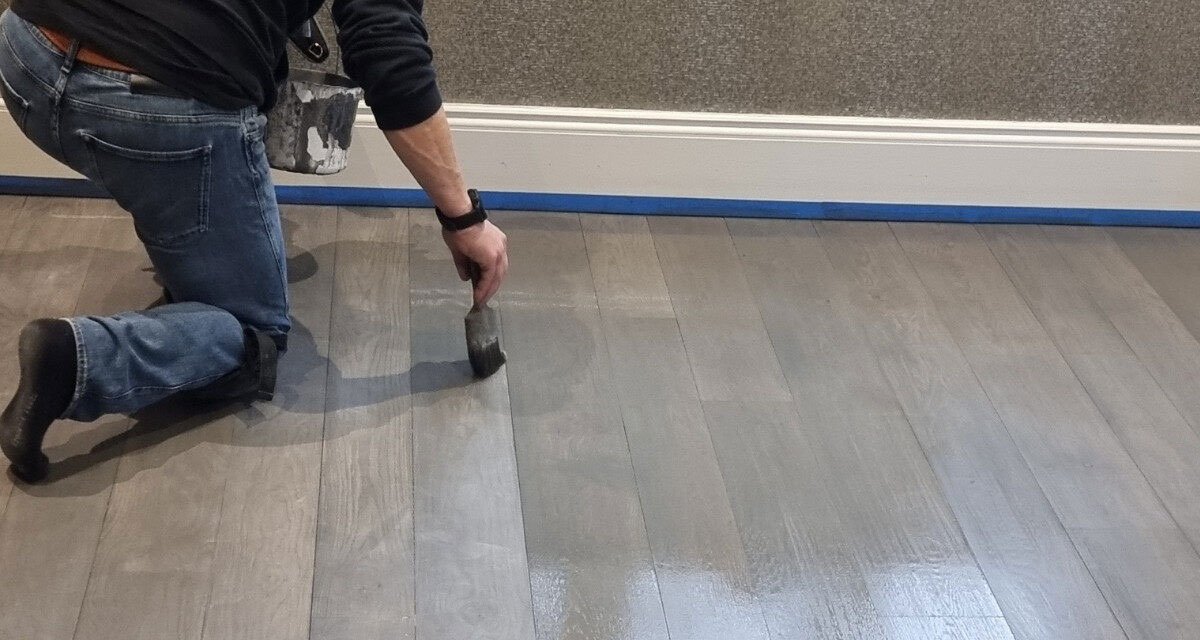
Aligning floor care tasks with seasonal changes prevents weather-related damage and catches early signs of wear before they become costly problems. The EPA recommends keeping indoor humidity between 30% and 50% year-round, which directly affects hardwood expansion, laminate stability, and mold growth under carpet.
| Season | Key Tasks | Priority Flooring |
|---|---|---|
| Spring | Deep clean all floors; inspect for winter moisture damage; reseal grout in wet areas; check hardwood for gaps from dry winter air | Hardwood, Tile |
| Summer | Add UV-blocking window treatments over sun-exposed hardwood; monitor humidity with a hygrometer; move area rugs to prevent uneven fading | Hardwood, LVP |
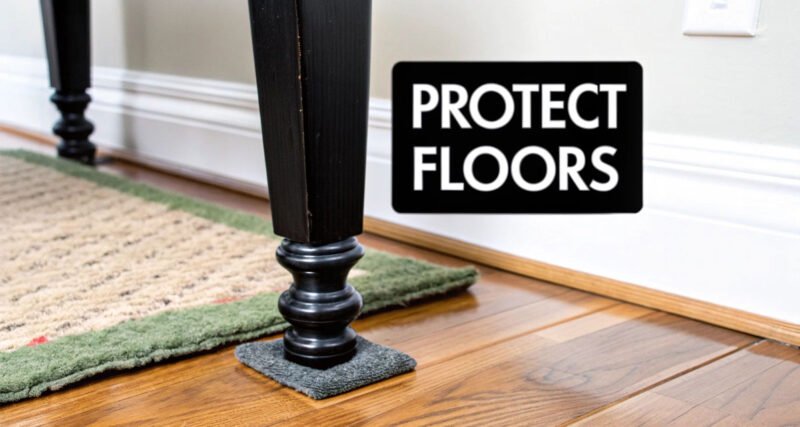
| Fall | Schedule professional carpet cleaning before holiday traffic; place heavy-duty entrance mats at all doors; clean and rotate furniture pads | Carpet, All Types |
| Winter | Run a humidifier to prevent hardwood shrinkage; use boot trays to contain salt and snowmelt; increase sweeping frequency near entryways | Hardwood, Laminate |
Spring is the most critical inspection window. Winter heating systems dry indoor air to 20% or below in many climates, causing hardwood boards to shrink and open visible gaps. Those gaps close naturally as humidity rises, but checking in April reveals whether any boards suffered permanent damage.
Summer sun exposure fades unprotected hardwood and vinyl noticeably within a single season. UV-blocking window film or curtains during peak sun hours cost under $50 and save floors worth thousands.
“Annual Home maintenance List: what am I missing?”
— r/homeowners, 20 upvotes, 36 comments (2025), source
This question surfaces repeatedly in homeowner communities. The top-voted answers consistently point to the same oversight: floors rarely make it onto annual maintenance lists until visible damage forces the issue.
Signs Your Floors Need Professional Attention
Scratches deeper than the finish layer, persistent stains that resist spot treatment, visible warping, and grout that has turned dark despite regular cleaning all signal it is time to call a flooring professional rather than attempt another DIY fix.
Watch for these specific warning signs:
- Hardwood boards that feel uneven or rock when stepped on (subfloor issue)
- Grout lines that stay dark after scrubbing with a grout-specific cleaner
- Carpet that smells musty even after cleaning (moisture trapped in padding)
- Laminate edges curling upward at seams (irreversible water damage)
- Vinyl plank tiles lifting or shifting out of position (adhesive failure)
Professional service costs vary by flooring type and scope of work. Hardwood refinishing typically runs $3 to $8 per square foot, according to HomeAdvisor (2024). Professional carpet cleaning averages $125 to $250 per room. Grout sealing costs $1 to $3 per square foot but prevents far more expensive tile replacement.
Most homeowners wait until damage is plainly visible to everyone who walks in the door. By that point, the repair bill has usually doubled compared to catching the same problem six months earlier during a routine inspection.
FAQ
How often should hardwood floors be refinished?
Hardwood floors in average-traffic homes need refinishing every 7 to 10 years. High-traffic areas like hallways and kitchens may need attention every 3 to 5 years. A simple water drop test reveals whether the finish still protects: if water beads up, the finish is intact; if it soaks in within a minute, refinishing is overdue.
Can you use a steam mop on laminate flooring?
No. Steam mops force moisture into laminate seams and cause the fiberboard core to swell permanently. Most laminate manufacturers, including Pergo and Mohawk, explicitly void warranties when steam cleaning is used. A lightly dampened microfiber mop dried immediately is the safest wet-cleaning method for laminate.
What is the best way to remove scratches from vinyl plank flooring?
Light surface scratches on luxury vinyl plank buff out with a tennis ball rubbed firmly over the mark. Deeper scratches require a vinyl floor repair kit (about $10 to $15 at hardware stores) that fills and color-matches the damaged area. Scratches through the wear layer cannot be fully repaired and may require plank replacement.
How do you maintain tile grout between professional cleanings?
Spray grout lines weekly with a 1:1 water and white vinegar solution on unsealed grout, or use a pH-neutral grout cleaner on sealed grout. Scrub with a stiff nylon brush once a month. Apply a penetrating grout sealer every 12 months in wet areas like bathrooms and every 2 years in dry areas.
Does regular maintenance actually extend flooring lifespan?
Yes, significantly. The National Association of Home Builders (2023) data shows maintained hardwood lasts 75 to 100 years versus 20 to 30 years without proper care. Carpet lifespan roughly doubles from 5 years to 10 or more with consistent vacuuming and annual professional cleaning. Even tile, the most durable option, fails prematurely when grout deteriorates from neglect.
Conclusion
Flooring maintenance is not complicated, but it is specific. Each material in your home needs its own routine, and seasonal checkpoints catch problems while they are still cheap to fix.
Start this week with the simplest habit on the list: a daily dust mop pass on hard surfaces. That single action prevents the grit buildup responsible for most premature floor wear. Build from there, adding monthly and seasonal tasks until the full checklist becomes routine.