



When a material is being specified for a building or commercial project, the conversation tends to focus on upfront cost, appearance, and installation time. What gets underweighted is the ongoing cost of keeping that material looking and performing the way it did at handover. Over a ten or fifteen year period, that recurring expenditure often adds up to more than the original material and installation combined, and it’s rarely factored into the initial budget with enough accuracy.
Aluminum is one of the few cladding materials where that long-term cost picture looks meaningfully different from the alternatives.
What Makes Aluminum Low-Maintenance by Nature
The material itself doesn’t rot, rust, warp, or attract pest activity. Those aren’t features added through treatment. They’re properties of the metal. Timber needs periodic sealing or staining to resist moisture. Steel requires protective coatings to prevent corrosion. Aluminum handles outdoor exposure without those interventions because it doesn’t degrade the same way under weathering.
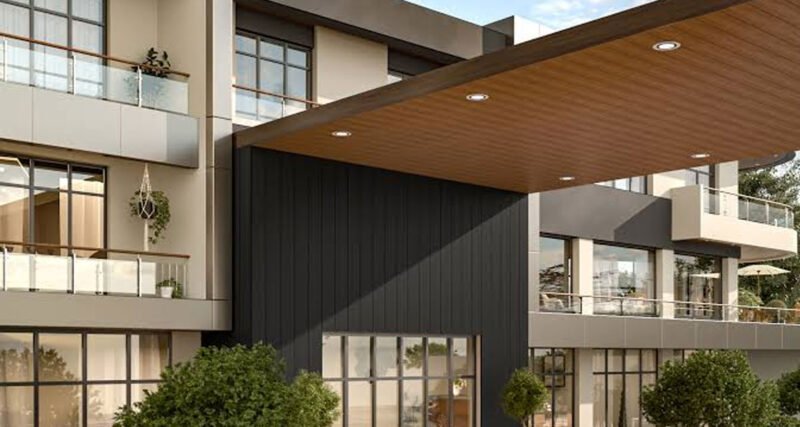
A powder-coated finish applied to aluminum panels adds a further layer of UV resistance, which helps the surface hold its colour and texture over extended sun exposure without fading or peeling. That coating doesn’t need reapplication the way painted surfaces on other materials do, which removes one of the most common recurring maintenance tasks from the building manager’s schedule.
What Routine Care Actually Looks Like
For most aluminum cladding installations in standard environments, maintenance is largely limited to periodic cleaning. A freshwater rinse or a wipe-down with a soft cloth a few times a year is generally enough to remove surface deposits and keep the panels looking consistent. In coastal or industrial environments where salt or airborne pollutants accumulate more quickly, that cleaning interval may be shorter, but the process itself remains straightforward and doesn’t require specialist contractors or chemical treatments.
There’s no repainting cycle to plan around. No annual treatment to book. No concern about sections of the surface peeling or lifting after a few seasons of weather exposure. For a commercial property manager overseeing a large building, that simplicity has a real operational value that’s worth quantifying during the specification stage.
Panel Sections and What They Mean for Repairs
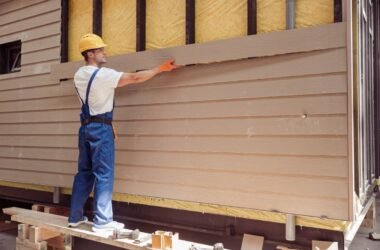
Low-maintenance aluminum panels in modular systems bring another practical advantage that isn’t always considered upfront: individual panels may be removed and replaced without disturbing the surrounding cladding. If a section is damaged, whether through impact or an installation error, the repair doesn’t mean stripping back a large area of the facade. The affected panel comes off the rail, a replacement goes on, and the surrounding surface is untouched.
Consider a scenario where a ground-floor panel on a commercial building takes impact damage from a delivery vehicle. With a timber or solid-sheet cladding system, repairing that section cleanly tends to involve matching weathered material against new, which rarely produces an invisible result. With a modular aluminum system, the panel in question is replaced and the surface reads consistently because the surrounding panels haven’t been disturbed.
Recyclability as a Long-Term Material Property
Aluminum is one of the most recycled materials in construction, and it retains its properties through the recycling process without significant degradation. For projects working toward sustainability targets or green building certification, end-of-life recyclability is a relevant data point. It means the material doesn’t become waste at the point of replacement or demolition, which affects both the environmental assessment and, in some cases, the residual value of the removed panels.
Where This Changes the Specification Decision
For architects and designers comparing materials on a commercial or long-duration project, the maintenance picture matters as much as the initial specification. A low maintenance aluminum panel system may carry a different upfront cost than some alternatives, but the absence of periodic recoating, specialist treatment, or partial facade remediation tends to shift the total cost of ownership in a direction that’s worth modelling before the material choice is finalised.
FAQs
How often do aluminum cladding panels typically need cleaning in a standard urban environment?
A freshwater clean a few times a year is generally sufficient for most urban or suburban installations. In environments with higher pollution levels or salt exposure, more frequent cleaning may be advisable, though the process remains the same. Mild soap and a soft cloth or low-pressure water rinse are the standard approach, and no specialist products are typically required.
Can a single damaged panel be replaced without affecting the rest of the facade?
In most modular rail-based systems, yes. Individual profiles detach from the rail independently, so a damaged section may be swapped out without removing or repositioning the surrounding panels. This is one of the practical advantages of a modular system over continuous-sheet or bonded cladding methods, where localised repair tends to be more disruptive.
Does the powder-coat finish on aluminum panels need any periodic treatment to maintain its performance?
Generally, no recoating or retreating is required under normal conditions. The finish is applied as part of the panel manufacturing process and is designed to hold up under UV exposure and weathering without intervention. In cases where the coating is physically damaged, localised touch-up may be possible depending on the panel and the finish type, though this is worth confirming with the supplier for the specific product being specified.